The Age of Imperialism was a major period in world history that saw the powerful nations of Europe, as well as the United States and Japan, expand their empires and exert their influence across large sections of the globe. It is one of the most important and consequential events in the study of modern world history, and its legacy continues to shape the political, economic, and cultural landscape of the world today.
The Age of Imperialism occurred primarily from the mid-18th century until the early part of the 20th century. During this time, European nations including Britain, France, Germany, Belgium, Spain, Portugal, and Italy raced to claim territory and establish colonies across Africa, Asia, and other parts of the world. The competition between these nations for land, resources, and influence transformed the political map of the world and had profound and lasting consequences for the millions of people living in the regions that were colonized. Understanding the Age of Imperialism is important because it helps explain many of the political and economic conditions that exist in the world today, particularly in Africa and Asia.
What Was the Age of Imperialism?
Imperialism is the term historians use to describe the process by which one country extends its political, economic, or cultural authority over another country or region. This process can involve the dominant country taking direct control through invasion and conquest, or it can involve gaining authority over the economy or government of another region without necessarily occupying it militarily. Imperialism, in history, was practiced by many different nations but is most closely associated with the European powers of the 18th and 19th centuries.
The Age of Imperialism is considered to have occurred from approximately the mid-18th century until the outbreak of World War I in 1914, though some historians extend it further into the 20th century. During this time, the major European powers dramatically expanded their empires and came to control large portions of the world. Britain was the most dominant of these nations, and at the height of the British Empire it controlled approximately one quarter of the entire land surface of the earth, making it the largest empire in history. France was second in terms of the size of its empire, while Germany, Belgium, Italy, Portugal, and Spain all played significant roles as well. The United States, Russia, and Japan also carried out imperialistic campaigns during this period, though their focus was on different regions of the world.
Causes of the Age of Imperialism
Historians have identified several main causes of the Age of Imperialism, which together explain why the major powers of the 18th and 19th centuries were motivated to expand their empires so dramatically.
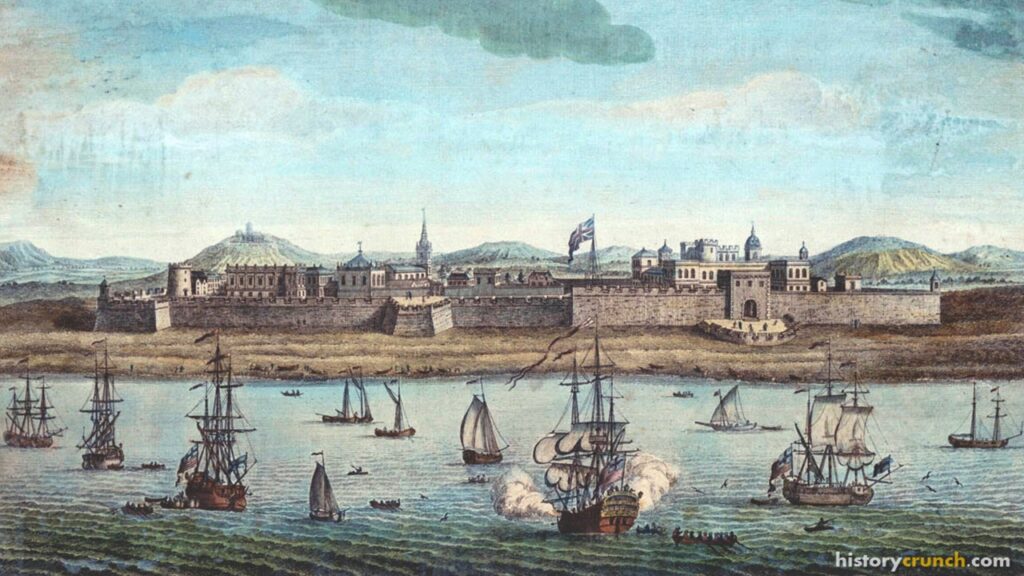
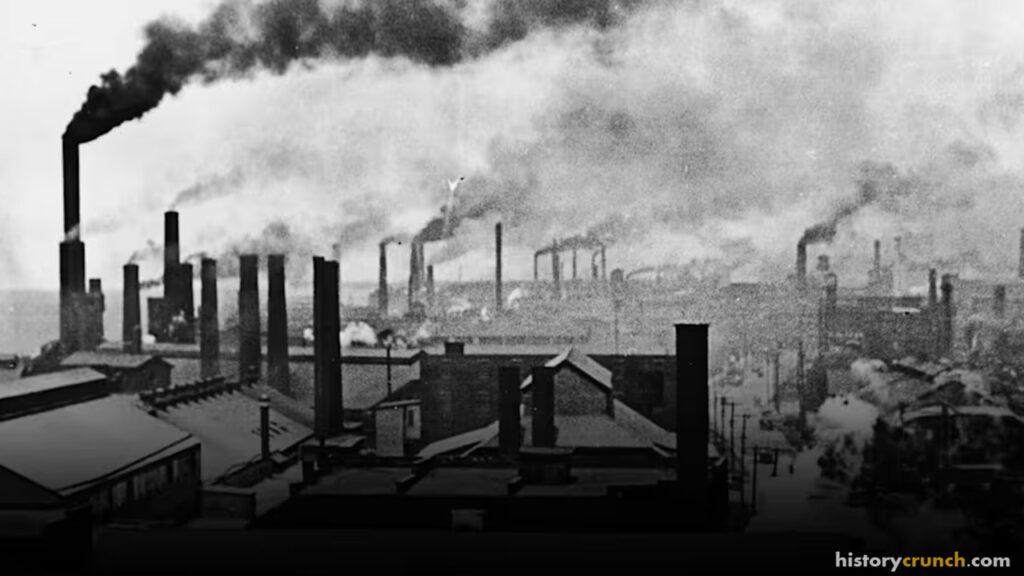
The first and most important cause was economic. The Industrial Revolution, which began in Britain in the late 18th century and spread across Europe in the 19th century, transformed European economies and created an enormous demand for raw materials to feed the factories that were producing goods on a previously unimaginable scale. European nations looked to Africa, Asia, and other regions of the world as sources of raw materials such as rubber, cotton, gold, diamonds, and other resources that their factories needed. At the same time, these same regions represented potential new markets where European manufactured goods could be sold. Britain was the first country to industrialize and became the most dominant imperial power of the era, with colonies such as India and South Africa serving as vital sources of raw materials for British industry.
The second cause was the desire for colonization, driven by population growth. During the 18th and 19th centuries, Europe experienced a dramatic increase in population due to advances in medicine, sanitation, and food production. This population growth put pressure on European governments and led some to argue that colonies overseas could serve as outlets for surplus European populations. Millions of European settlers migrated to colonies in North America, Australia, South Africa, and elsewhere during this period, either by choice or as a result of government policy.
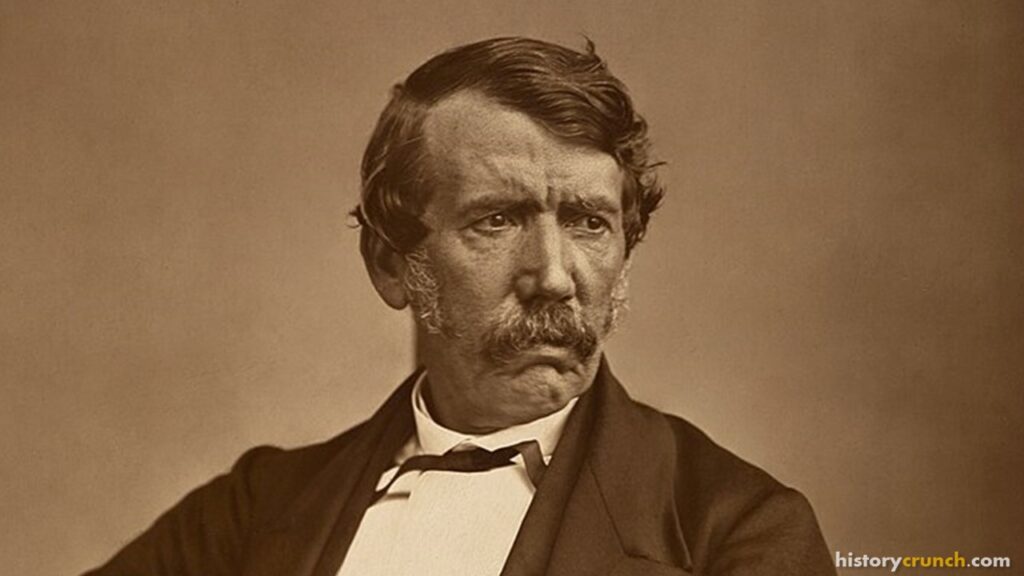
The third cause was religion. European Christian missionaries were an important part of the Age of Imperialism and accompanied many of the colonial expeditions that pushed into Africa and Asia. Missionaries believed it was their duty to spread Christianity to the peoples of the regions being colonized, and they played a significant role in opening up the interior of Africa to European expansion. One of the most famous missionaries of the era was David Livingstone, a British explorer and missionary who traveled extensively throughout Africa and whose expeditions contributed directly to the later European colonization of the continent.
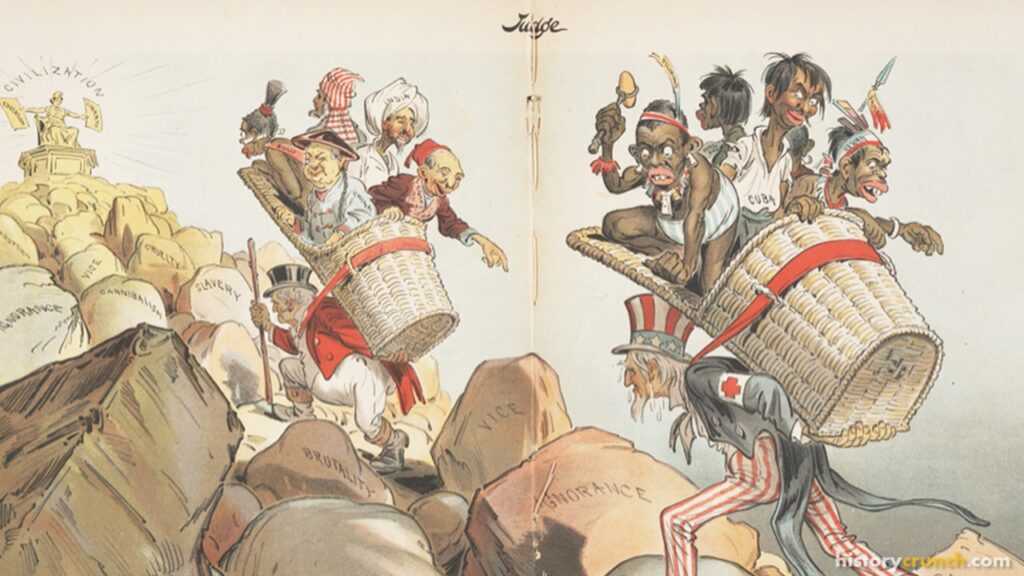
The fourth cause was ethnocentrism, which is the belief that one’s own culture or ethnic group is superior to others. During the Age of Imperialism, many Europeans held deeply racist views about the peoples of Africa and Asia, viewing them as inferior and believing it was the right and even the duty of Europeans to rule over them. These beliefs were given a pseudo-scientific justification through a concept called Social Darwinism, which applied Darwin’s theory of evolution to human societies and argued that some races were more advanced and therefore more fit to rule than others. These ethnocentric and racist beliefs empowered European nations to dominate and exploit the peoples they colonized and provided a moral justification for what was essentially a system of violent exploitation.
The fifth and final cause was prestige. The major European nations of the 19th century were deeply competitive with each other and viewed the expansion of their empires as a measure of their national power and greatness. The race to claim territory in Africa and Asia was driven in part by a desire to outcompete rival European nations and demonstrate national strength. This competitive rivalry between the European powers was so intense that it ultimately contributed to the outbreak of World War I in 1914.
The Scramble for Africa
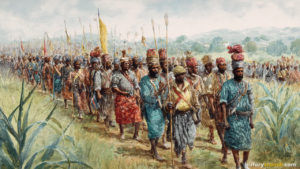
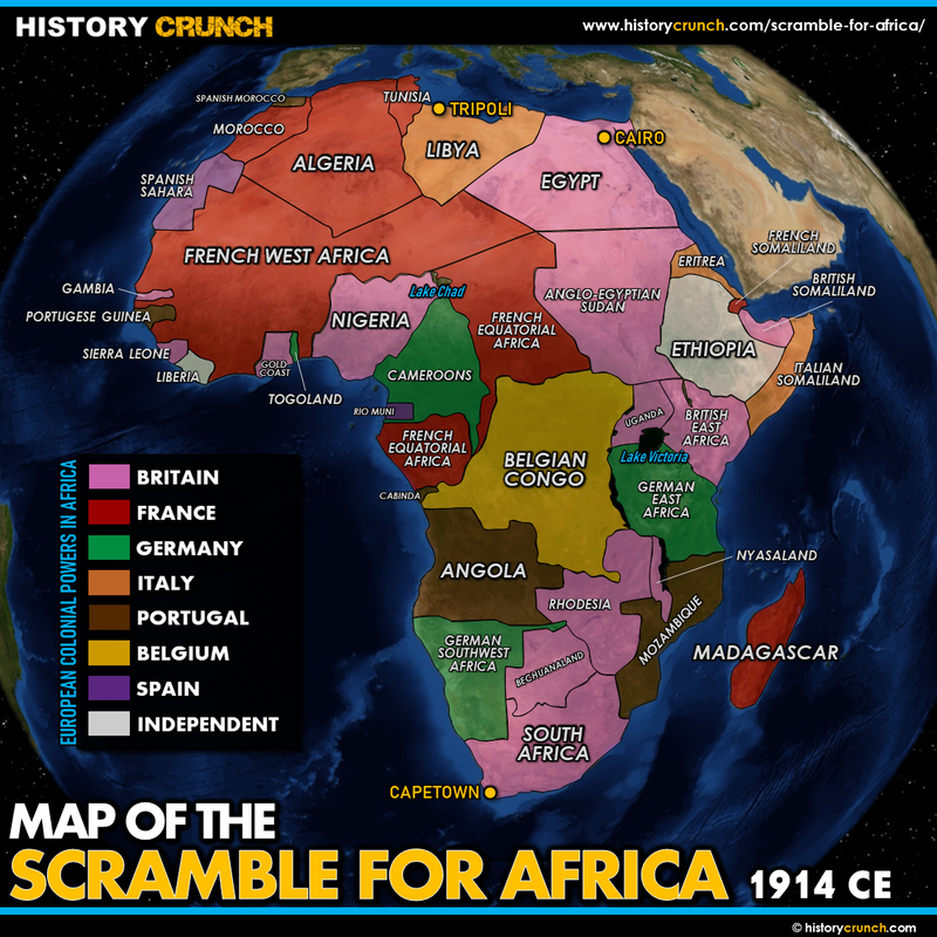
The most dramatic and well-known expression of the Age of Imperialism was the Scramble for Africa, which occurred from approximately 1870 until the outbreak of World War I in 1914. During these decades, the major European powers raced to claim as much of the African continent as they could, and by the early 20th century virtually the entire continent had been divided up among them. Britain, France, Germany, Belgium, Italy, Portugal, and Spain all claimed significant portions of African territory.
The Berlin Conference of 1884 was one of the most important events of the Scramble for Africa. Organized by German Chancellor Otto von Bismarck, the conference brought together representatives of the major European powers to establish rules for the colonization of Africa. The conference took place without the participation of any African leaders or representatives, and its decisions divided the continent among the European powers with little regard for the existing ethnic groups, kingdoms, and societies that had been living there for centuries. The borders drawn at the Berlin Conference cut across traditional territories and divided ethnic groups between different colonial powers, creating divisions and tensions that persist in many parts of Africa to the present day.
Some of the most important figures associated with the Scramble for Africa include Cecil Rhodes, a British businessman and politician who was one of the most powerful advocates for British expansion in southern Africa and who promoted the idea of a British-controlled corridor running from Cape Town in South Africa all the way to Cairo in Egypt. Henry Morton Stanley was another significant figure, a journalist and explorer whose expeditions in central Africa in the late 19th century opened up the Congo region to European colonization and who later worked as an agent for King Leopold II of Belgium. Leopold II is remembered as one of the most brutal figures of the Age of Imperialism, ruling over the Congo Free State as his personal property and subjecting the Congolese people to a horrific regime of forced labor and violence in order to extract rubber and other resources for his own personal profit.
British Imperialism in India
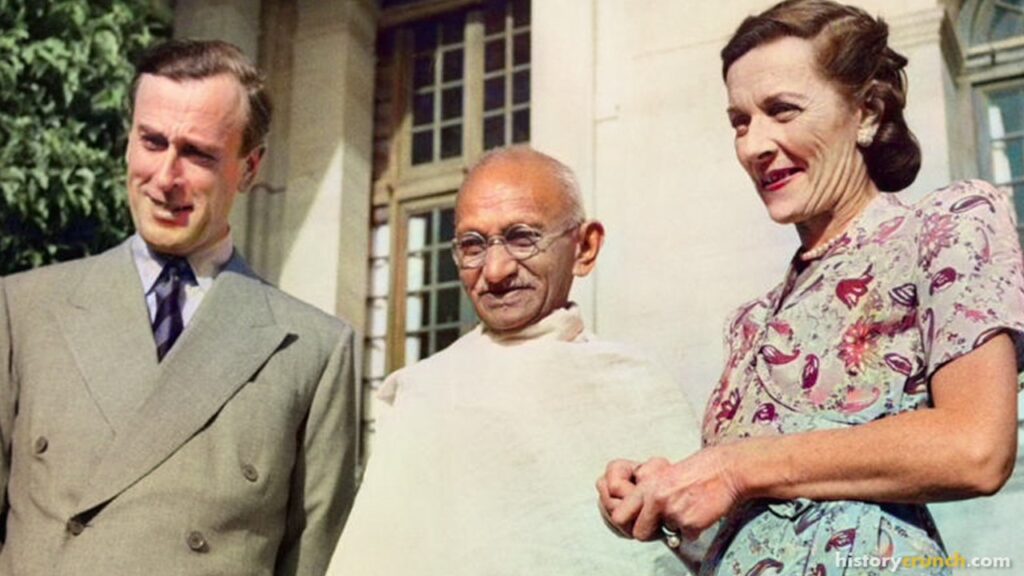
One of the most significant examples of European imperialism outside of Africa was British imperialism in India. Britain had maintained a commercial presence in India through the British East India Company since the 17th century, but over time this commercial relationship evolved into direct political and military control. By the mid-19th century, Britain had established dominance over most of the Indian subcontinent, and following the Sepoy Rebellion of 1857, the British government took direct control of India, ending the rule of the East India Company and establishing what became known as the British Raj.
British rule over India had enormous consequences for the subcontinent. Britain extracted vast wealth from India in the form of raw materials, taxes, and trade profits, while at the same time building railways, roads, and other infrastructure that served British economic and military interests. British rule also had significant cultural and social impacts, including the spread of the English language and the suppression of many traditional Indian practices. The Indian Independence Movement, led by figures such as Mahatma Gandhi and Jawaharlal Nehru, eventually succeeded in ending British rule when India gained independence in 1947. The partition of the subcontinent into India and Pakistan at independence was one of the most traumatic events in the history of the region, resulting in massive violence and one of the largest mass migrations in human history.
Imperialism in China
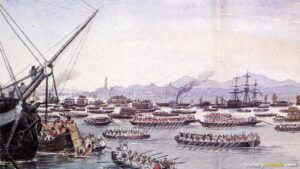
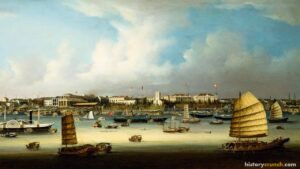
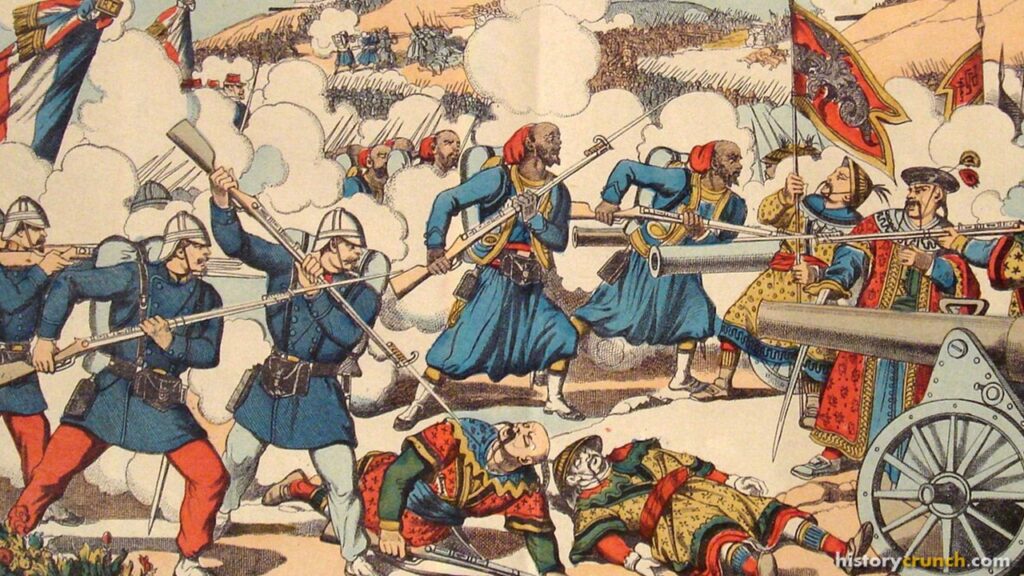
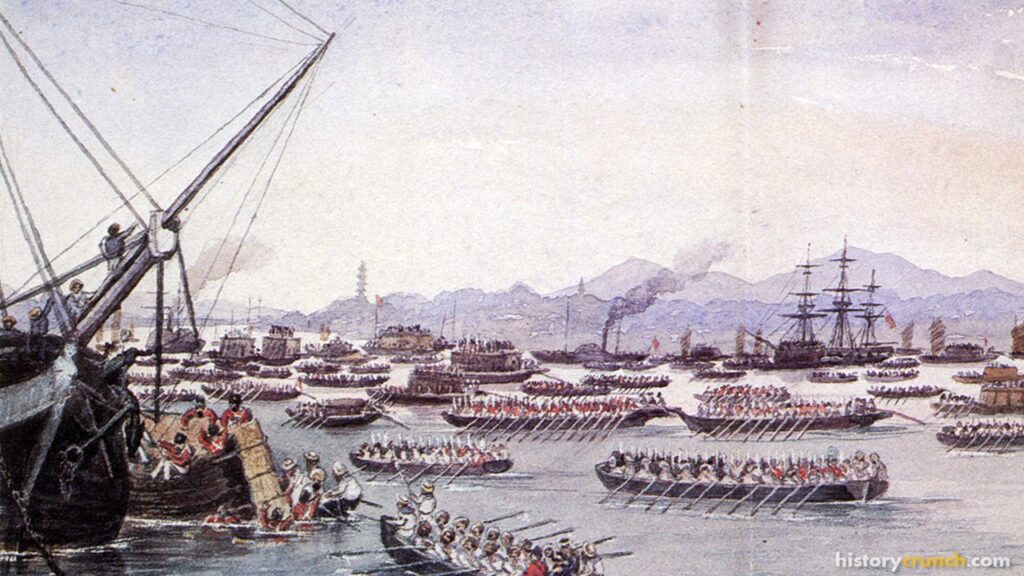
China was another major region affected by European imperialism during this period. Unlike Africa or India, China was never fully colonized by a single European power, but it was subjected to enormous pressure and interference from multiple European nations, as well as Japan and the United States. The two Opium Wars (First Opium War and Second Opium War), the first fought from 1839 to 1842 and the second from 1856 to 1860, were particularly significant. In both conflicts, Britain used military force to compel China to open its markets to the trade of opium, a drug that was devastating Chinese society. Both wars ended in Chinese defeat and forced China to sign a series of unequal treaties that gave European powers significant economic and political privileges within China. The Boxer Rebellion of 1899 to 1901 was a major Chinese uprising against foreign influence that was ultimately suppressed by a coalition of European nations, the United States, and Japan, further weakening Chinese sovereignty.
American Imperialism
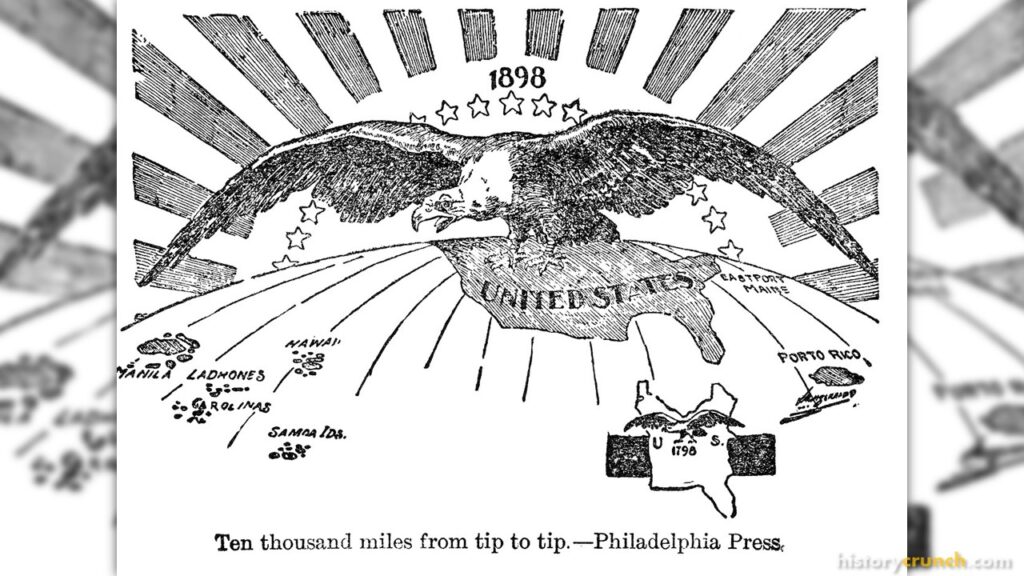
While the Age of Imperialism is most closely associated with European powers, the United States also carried out significant imperialistic campaigns during this period. American imperialism was shaped in part by the Monroe Doctrine, a foreign policy statement first made by President James Monroe in 1823, which declared that the United States considered the Western Hemisphere to be within its sphere of influence and opposed further European colonization in the Americas. As the United States grew in power through the 19th century, it used this doctrine to justify its own interventions in Latin America and the Caribbean. The Spanish-American War of 1898 was particularly significant, resulting in the United States gaining control over Puerto Rico, Guam, and the Philippines from Spain. The Philippine-American War that followed, in which Filipino revolutionaries fought for independence from American rule, was a brutal conflict that highlighted the contradictions between American democratic ideals and its imperial actions.
Impacts of the Age of Imperialism
The impacts of the Age of Imperialism were enormous and far-reaching. For the European nations that carried out imperialistic campaigns, the period brought significant economic benefits in the form of raw materials, new markets, and vast wealth extracted from the colonized regions. It also contributed to a sense of national pride and power among European populations.
However, for the peoples of Africa, Asia, and other colonized regions, the impacts were overwhelmingly negative. Imperialism involved the violent conquest and suppression of existing societies, the exploitation of local labor and resources for the benefit of distant European economies, the undermining of traditional political systems and cultures, and the imposition of foreign governments and values on populations that had not consented to be ruled. The boundaries drawn by European powers during the Scramble for Africa and elsewhere created artificial borders that cut across existing ethnic and cultural territories, creating conflicts and tensions that continue to affect many countries to the present day. The extraction of resources and wealth from colonized regions also left lasting economic disadvantages that have contributed to persistent poverty and inequality in many parts of the world.

Significance of the Age of Imperialism
The Age of Imperialism is one of the most significant events in the history of the modern world. It reshaped the political map of the globe, created the conditions for World War I through the rivalries and tensions it generated between the major European powers, and left a legacy of economic exploitation and political instability across much of Africa and Asia that continues to be felt today. Understanding the Age of Imperialism is essential for anyone seeking to understand the modern world, because so many of the political, economic, and social conditions that exist today in the formerly colonized regions of the world are rooted in the events and decisions of this era. For all of these reasons, the Age of Imperialism remains one of the most important and most studied periods in the study of world history.