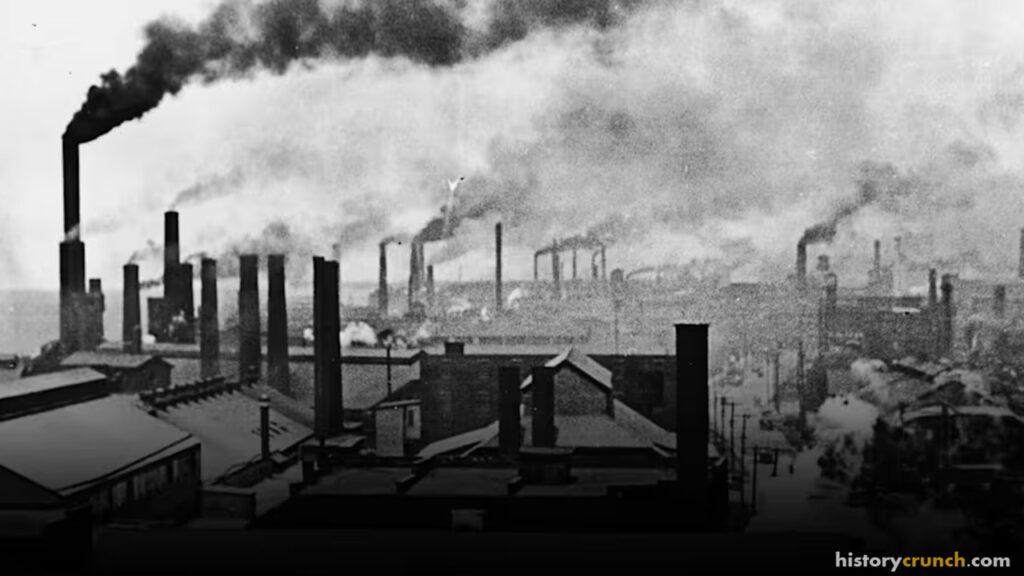
The British Agricultural Revolution was a major event in world history and had a profound effect on populations throughout Europe and other historical events. For example, many historians consider the British Agricultural Revolution to be a major cause of the Industrial Revolution, especially in terms of when and how it began in Britain. For example, the Industrial Revolution began in Britain in the 18th century due in part to an increase in food production, which was the key outcome of the Agricultural Revolution. As such, the Agricultural Revolution is considered to have begun in the 17th century and continued throughout the centuries that followed, alongside the Industrial Revolution.
BRITISH AGRICULTURAL REVOLUTION AND CROP ROTATION
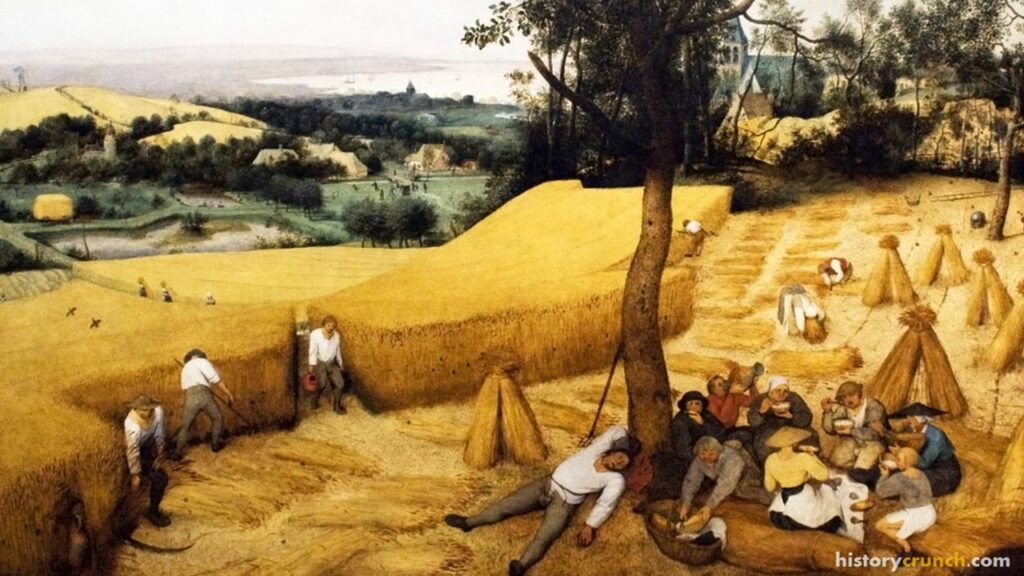
In the centuries before the start of the British Agricultural Revolution, European farmers practised a form of farming in which they planted the same crop in the same field every year. This would cause them to avoid plant anything in the field every few years in order to avoid destroying the quality of the soil. However, Charles Townshend, a British statesman, identified a way to improve farming practises and thus produce more food. In the 1730s, he discovered that by growing different types of crops in the fields year after year, British farmers did not have to leave a field for a growing season. For example, he argued that in one year the farmers should grow a cereal grain such as whet or barley and in a following year they should grow a vegetable crop such as turnips. By doing so, a farmer could grow food in a field every year without diminishing the ability of the soil.

For his discovery, he became known as ‘Turnip Townshend’. In general, this allowed British farmers to grow more food, which in turn helped lead to an increase in the population of British citizens. The increased population was important to the beginning of the Industrial Revolution because it created a large workforce for the factories and mines that would be common during the time.
BRITISH AGRICULTURAL REVOLUTION AND THE SEED DRILL
A key aspect of the Industrial Revolution was the invention of different types of machines, many of which were used in farming and agriculture. For example, Jethro Tull is famous for his invention of the seed drill which had a profound effect on the British Agricultural Revolution and, in turn, the Industrial Revolution. Tull worked on his father’s farm in England and noticed that some of the traditional farming practices were very inefficient. For example, he was particularly concerned with how seeds were drilled into the soil by hand, which was very slow and required a lot of labor on the part of farmers. As a result, Tull invented a seed drill with a rotating cylinder to drill the seeds into the soil. This made the planting process much quicker. As well, the seed drill allowed crops to be planted in straight rows, which allowed the farmers to use less seeds while making weeding of the crops easier and more efficient.

BRITISH AGRICULTURAL REVOLUTION AND THE ENCLOSURE MOVEMENT
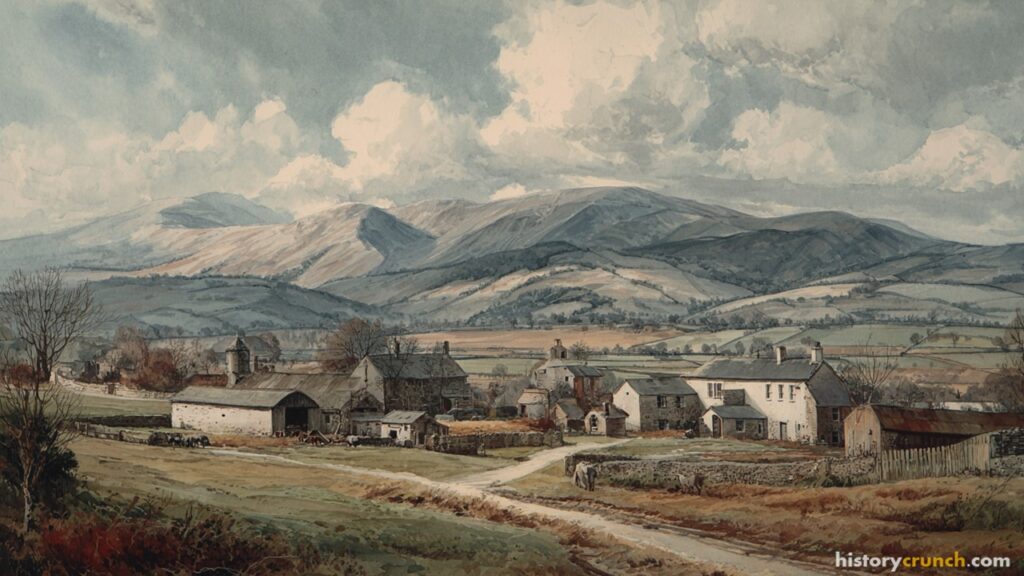
Another important feature of the British Agricultural Revolution was the Enclosure Movement. In the decades and centuries before the 1700s, British farmers planted their crops on small strips of land while allowing their animals to graze on common fields shared collectively. However, in the 1700s, the British parliament passed legislation, referred to as the Enclosure Acts, which allowed the common areas to become privately owned. This led to wealthy farmers buying up large sections of land in order to create larger and more complex farms. Ultimately, this forced smaller farmers off of their land. Having lost their way of life, many of these farmers went to local towns and cities in search of work. This was important to the overall Industrial Revolution, because it helped create a system that created a large workforce for the factories and mines.
SIGNIFICANCE OF THE BRITISH AGRICULTURAL REVOLUTION
In all, the British Agricultural Revolution was an important cause of the Industrial Revolution. The British Agricultural Revolution took place in Britain in the 1700s and involved inventions and innovations that led to an increase in food production. As stated previously, the increased food production allowed Britain’s population to also increase which benefitted the Industrial Revolution in two ways. First, the increased population helped produce workers for the factories and mines that were so important to the Industrial Revolution. Second, the larger population created a market for goods to sold to which helped the owners of the factories to make a profit off of the sale of their goods.