
American History

Fugitive Slave Act of 1793

Fugitive Slave Act of 1793: A Detailed Summary

The Fugitive Slave Act of 1793 was a significant aspect of American history and laid the groundwork for deeper tensions over slavery in the United States. This article details the history and significance of the Fugitive Slave Act of 1793.
Missouri Compromise

Missouri Compromise: A Detailed Summary

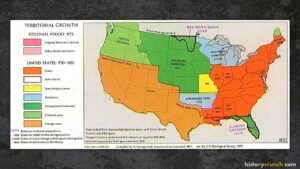
The Missouri Compromise, passed in 1820, was an agreement that allowed Missouri to enter the Union as a slave state and Maine as a free state, maintaining the balance of power in Congress. This article details the history and significance of the Missouri Compromise.

Montgomery Bus Boycott: A Detailed Summary

The Montgomery Bus Boycott was an important protest in the Civil Rights Movement in which African Americans refused to ride the city buses in Montgomery, Alabama, to challenge racial segregation. This article details the history and significance of the Montgomery Bus Boycott, especially in relation to the Civil Rights Movement.

Lincoln–Douglas Debates

Lincoln-Douglas Debates: A Detailed Summary

The Lincoln-Douglas Debates were a series of seven debates in 1858 between Abraham Lincoln and Stephen A. Douglas during their campaign for the United States Senate in Illinois. This article details the history and significance of the Lincoln-Douglas Debates.

Trail of Tears: A Detailed Summary

The Trail of Tears was the forced relocation of Native Americans from their southeastern homelands to territory west of the Mississippi River during the 1830s, resulting in the deaths of thousands. This article details the history and significance of the Trail of Tears.

Containment in the Cold War

Containment in the Cold War: A Detailed Summary

Containment in the Cold War was a foreign policy that was used by the United States as a means of preventing the spread of communism and Soviet expansionism. This article details the history and significance of containment in the Cold War.

Indian Removal Act: A Detailed Summary

The Indian Removal Act was a law signed by President Andrew Jackson in 1830 that led to the forced removal of tens of thousands of Native Americans from their ancestral lands east of the Mississippi River. This article details the history and significance of the Indian Removal Act.

Slavery in the United States

Slavery in the United States: A Detailed Summary

Slavery in the United States began in the early 1600s when Africans were brought to the American colonies to provide forced labor, especially on Southern plantations. This article details the history and significance of slavery in the United States, especially in relation to Colonial America and the American Civil War.