Industrial Revolution

Marxism: A Detailed Summary

In the early 20th century, Marxism inspired revolutions, most notably the Russian Revolution of 1917, which established the world’s first communist state under Vladimir Lenin. This article details the history, main principles and significance of Marxism.

Enclosure Movement

Enclosure Movement: A Detailed Summary

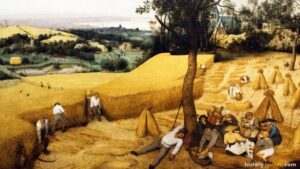
The Enclosure Movement was a complex process that had important consequences for industrial Britain. It played a crucial role in the development of modern agriculture and contributed significantly to the social and economic transformations of the Industrial Revolution.

James Watt

James Watt: A Detailed Biography

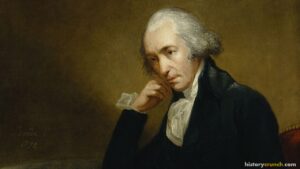
James Watt was a Scottish inventor and mechanical engineer whose improvements to the steam engine in the late 18th century greatly enhanced its efficiency and versatility, playing a crucial role in advancing the Industrial Revolution.

Charles Townshend

Charles Townshend: A Detailed Biography

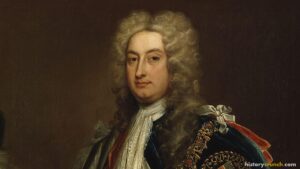
Charles Townshend is remembered today as a significant statesman for England, but more importantly for his role in the British Agricultural Revolution and the innovation of crop rotation.

Adam Smith

Adam Smith: A Detailed Biography

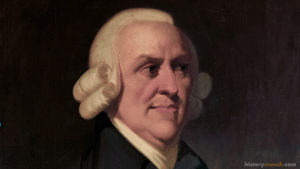
Adam Smith, an important figure in economics, is best known for his influential work ‘Wealth of Nations’, that shaped the field of modern economics. Smith’s ideas on free markets, the division of labor, and the ‘invisible hand’ have become fundamental economic principles.

Impacts of the Industrial Revolution

Impacts of the Industrial Revolution: A Detailed Summary

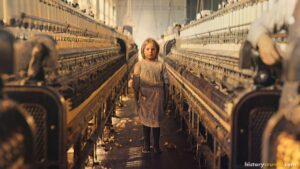
Overall, there were several important impacts that emerged from the major events of the Industrial Revolution, including: the growth of socialist movements and labor movements, feminist movements, urbanization, and our modern consumer society.

First Industrial Revolution vs Second Industrial Revolution

First Industrial Revolution vs Second Industrial Revolution: A Detailed Comparison

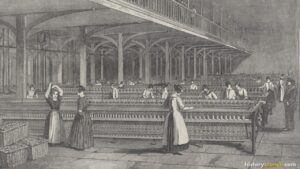
The First Industrial Revolution focused on the transition from hand production methods to machines and the rise of the textile and iron industries powered by steam and water, while the Second Industrial Revolution, often termed the Technological Revolution, was characterized by the widespread adoption of electrical power, mass production, and innovations such as the assembly line in industries like steel, oil, and chemicals.