
Fugitive Slave Act of 1850: A Detailed Summary
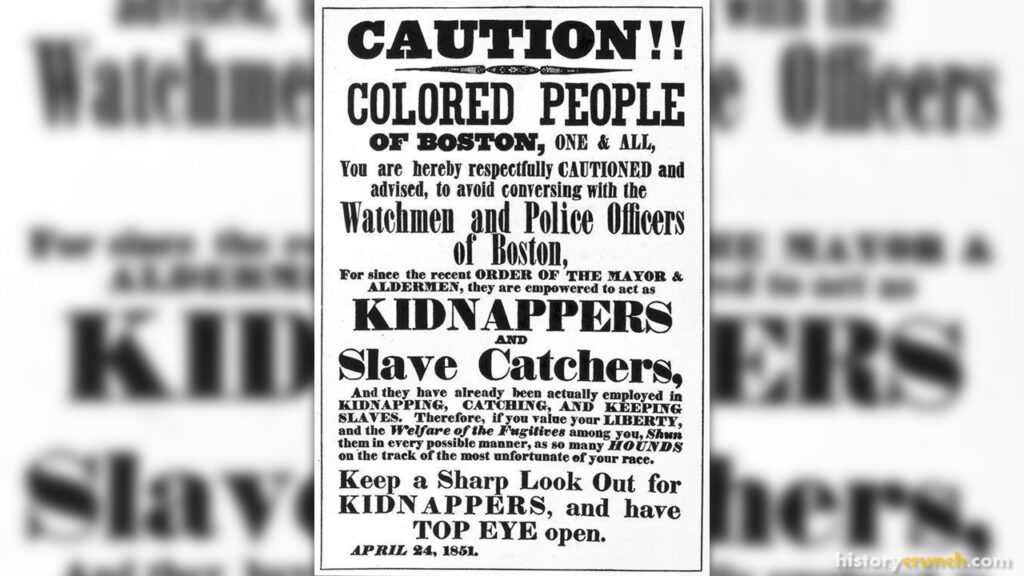
The Fugitive Slave Act of 1850 was part of the Compromise of 1850 and played a significant role in American history, including the outbreak of the American Civil War. This article details the history and significance of the Fugitive Slave Act of 1850.
Fugitive Slave Act of 1793: A Detailed Summary
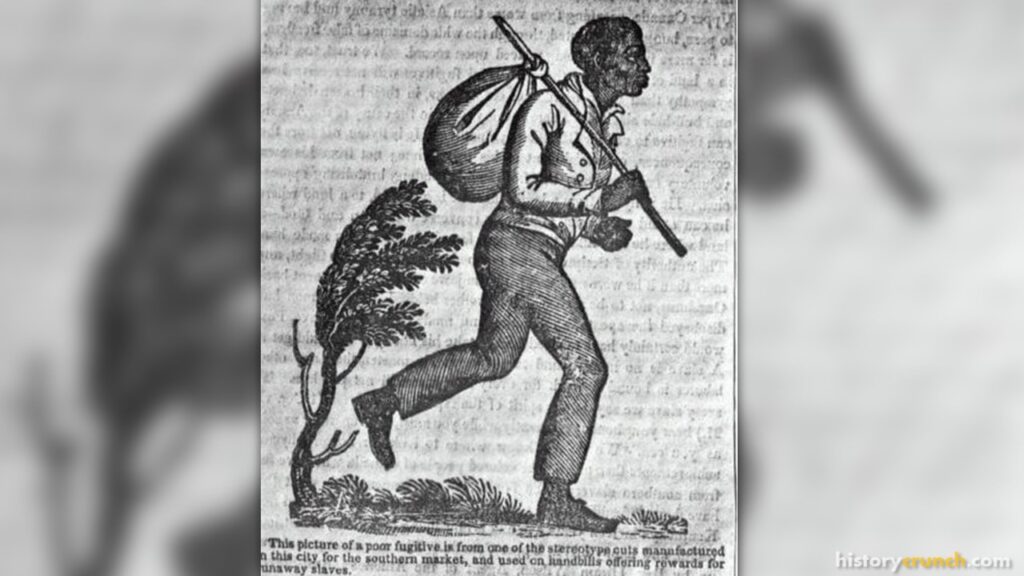
The Fugitive Slave Act of 1793 was a significant aspect of American history and laid the groundwork for deeper tensions over slavery in the United States. This article details the history and significance of the Fugitive Slave Act of 1793.
Missouri Compromise: A Detailed Summary
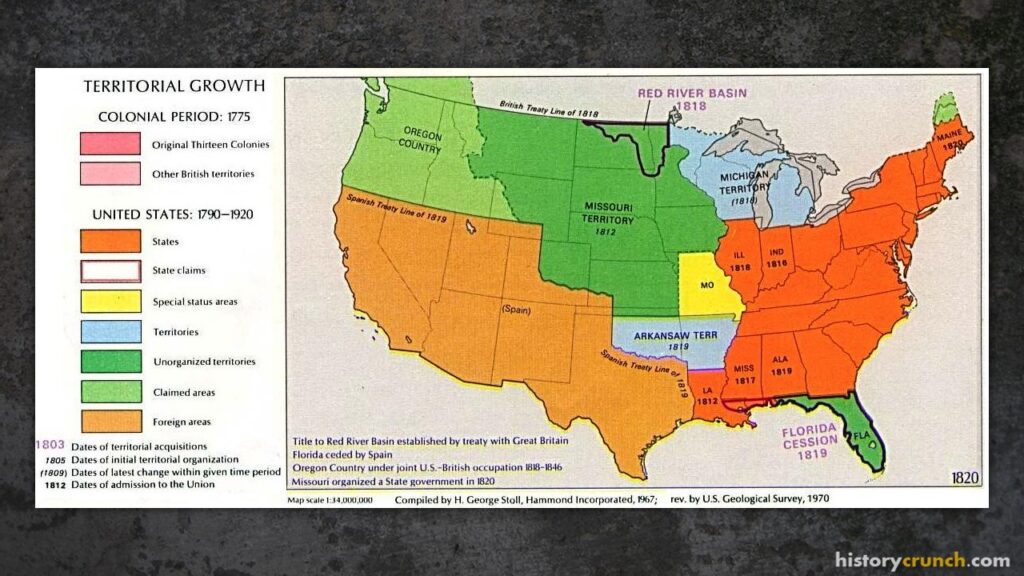
The Missouri Compromise, passed in 1820, was an agreement that allowed Missouri to enter the Union as a slave state and Maine as a free state, maintaining the balance of power in Congress. This article details the history and significance of the Missouri Compromise.
Lincoln-Douglas Debates: A Detailed Summary
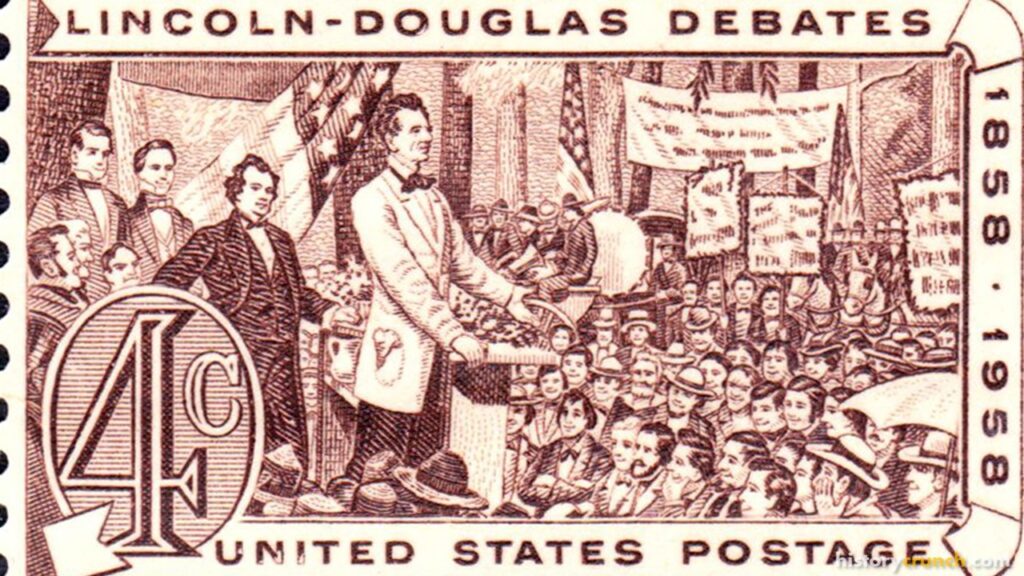
The Lincoln-Douglas Debates were a series of seven debates in 1858 between Abraham Lincoln and Stephen A. Douglas during their campaign for the United States Senate in Illinois. This article details the history and significance of the Lincoln-Douglas Debates.
Abraham Lincoln Assassination: A Detailed Summary
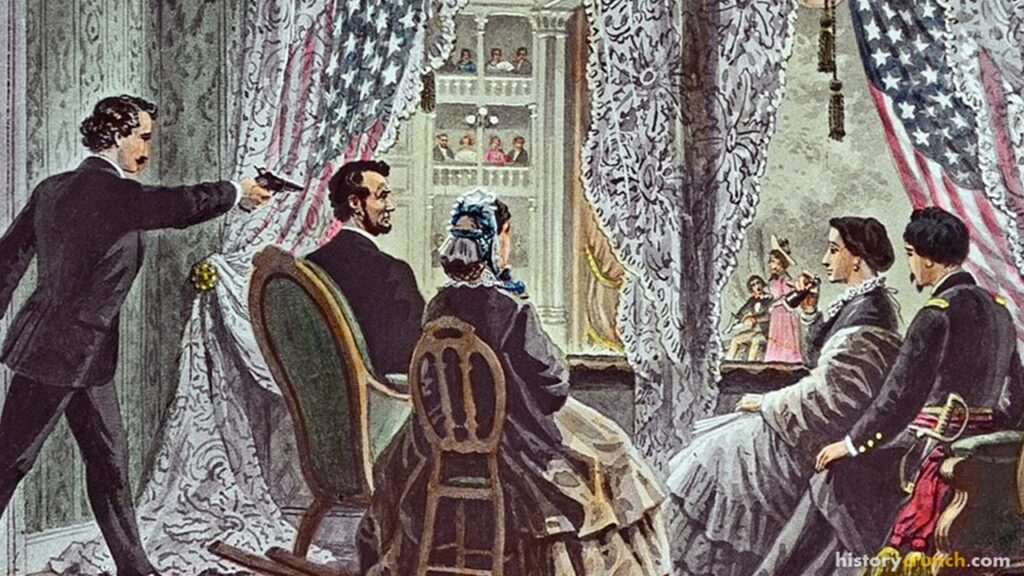
The assassination of Abraham Lincoln occurred on April 14th, 1865 at Ford’s Theatre in Washington, D.C.. This article details the history and significance of the Abraham Lincoln Assassination.
Slavery in the United States: A Detailed Summary
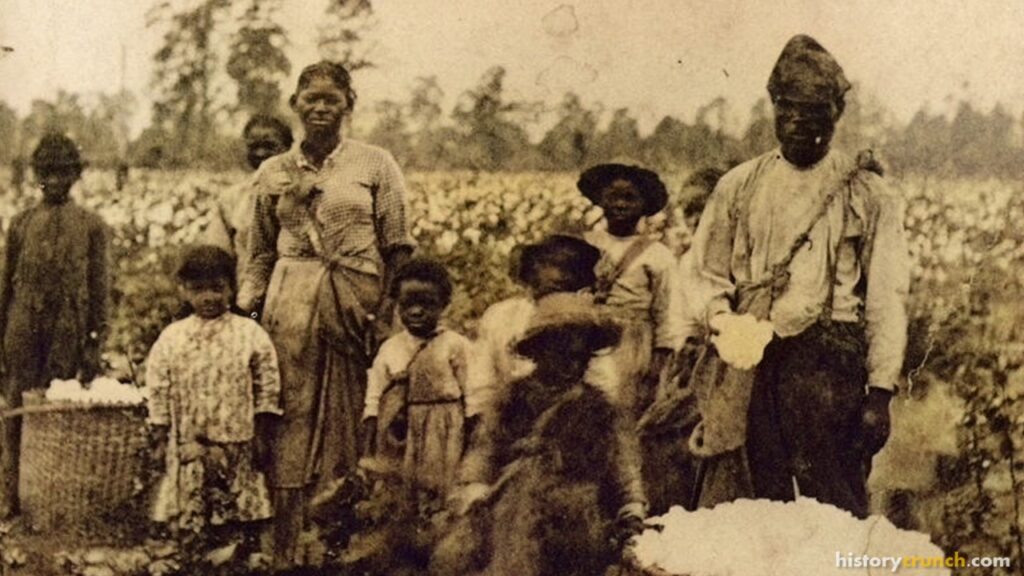
Slavery in the United States began in the early 1600s when Africans were brought to the American colonies to provide forced labor, especially on Southern plantations. This article details the history and significance of slavery in the United States, especially in relation to Colonial America and the American Civil War.
Atlantic Slave Trade: A Detailed Summary
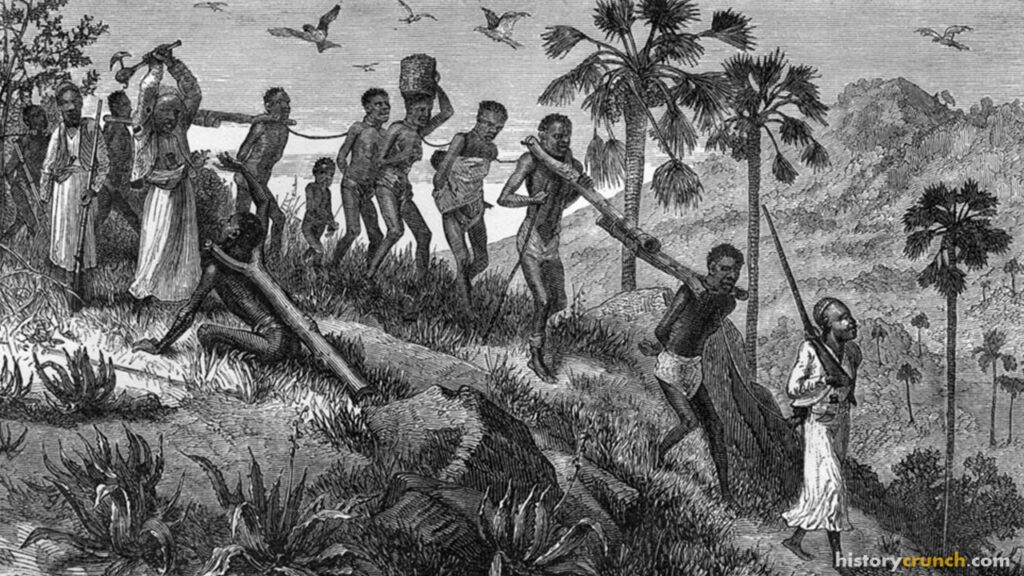
The Atlantic Slave Trade was the forced transportation of millions of Africans to the Americas from the 16th to the 19th centuries, where they were sold into slavery and subjected to inhumane conditions and labor.
Frederick Douglass: A Detailed Biography
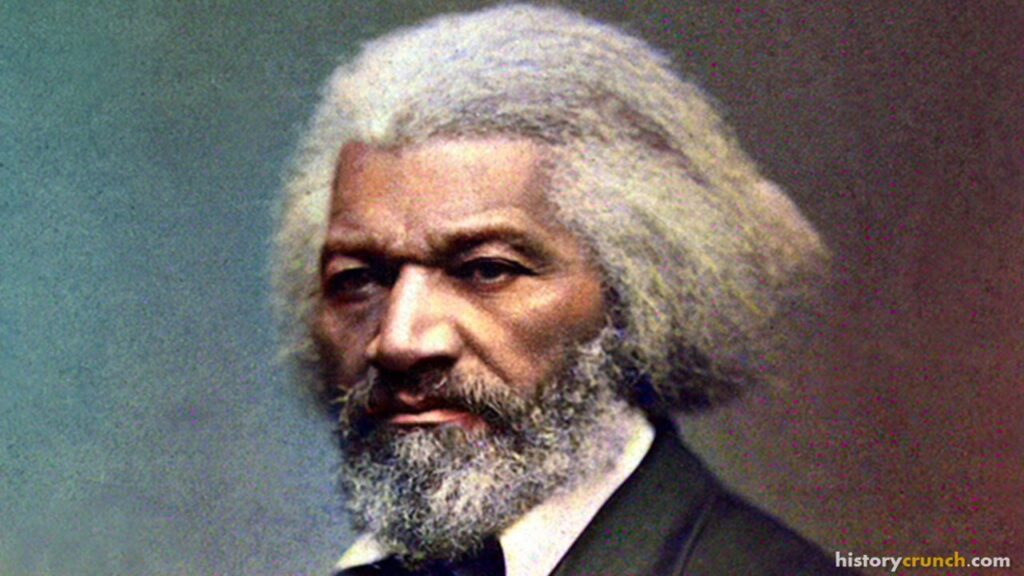
Frederick Douglass was a former slave who became a powerful abolitionist, writer, and speaker advocating for the end of slavery in the United States. This article details the life and significance of Frederick Douglass, especially in relation to his contributions to American history.
Trade Triangle: A Detailed Summary

The Trade Triangle was a system of transatlantic trade in the 16th to 19th centuries where goods, enslaved Africans, and raw materials were exchanged between Europe, Africa, and the Americas. This article details the history and significance of the Trade Triangle.
Abraham Lincoln: A Detailed Biography
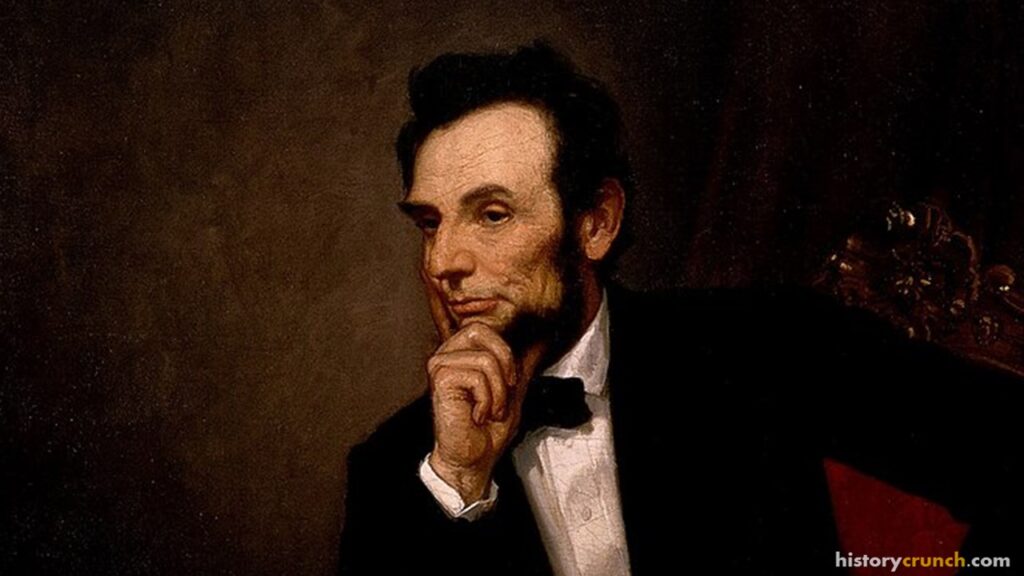
Abraham Lincoln served as the 16th President of the United States and the first ever Republican President. This article details the life and significance of Abraham Lincoln, including his role in the American Civil War.