
The First Moroccan Crisis: A Detailed Summary
The First Moroccan Crisis was an important event in history that had impacts for both the Scramble of Africa and World War I.

The First Moroccan Crisis was an important event in history that had impacts for both the Scramble of Africa and World War I.
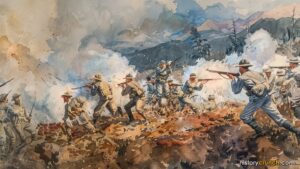
The Second Balkan War was important conflict in relation to European nationalism in the years before World War I. As such, historians consider it to be significant to the outbreak of the First World War in 1914.
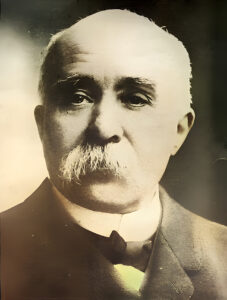
Georges Clemenceau was the Prime Minister of France during the final years of World War I, earning the title Father of Victory for his fierce determination to defeat Germany and his central role in negotiating the Treaty of Versailles. This article details the life and significance of Georges Clemenceau.
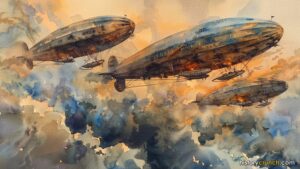
Airships in World War I (also known as ‘blimps’) were useful for several key aspects of the war effort. For instance, they were primarily used for either reconnaissance missions or bombing runs.
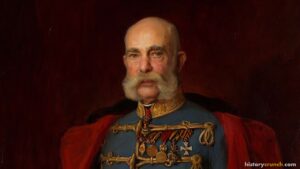
Franz Joseph I of Austria was the long-reigning emperor of Austria-Hungary whose ultimatum to Serbia following the assassination of Archduke Franz Ferdinand helped trigger the outbreak of World War I. This article details the life and significance of Franz Joseph I of Austria.
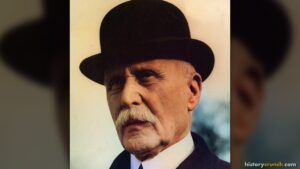
Philippe Pétain was significant because he played two very different roles in modern French history. He became a national hero in World War I for his leadership at Verdun, but he was later disgraced for leading Vichy France and collaborating with Nazi Germany during World War II.
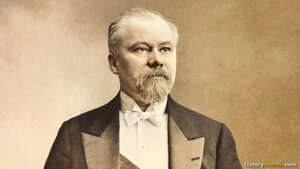
Raymond Poincaré was President of France throughout World War I and later Prime Minister during the difficult postwar years, known for his fierce determination to protect French interests and enforce the Treaty of Versailles. This article details the life and significance of Raymond Poincaré.
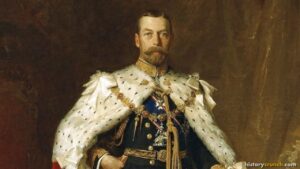
King George V was Britain’s monarch throughout World War I, known for his tireless support of troops, his creation of the House of Windsor and his steady leadership during one of the most turbulent periods in British history. This article details the life and significance of King George V.
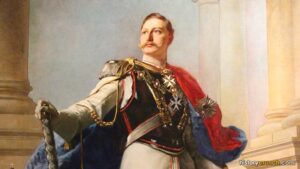
Kaiser Wilhelm II was the Emperor of Germany and King of Prussia from 1888 until 1918 and one of the most significant political figures of

Submarines in World War I played an important role in the history of the First World War. For example, Germany used submarines (u-boats) in an effort to stop trade ships from reaching Britain through the North Atlantic.