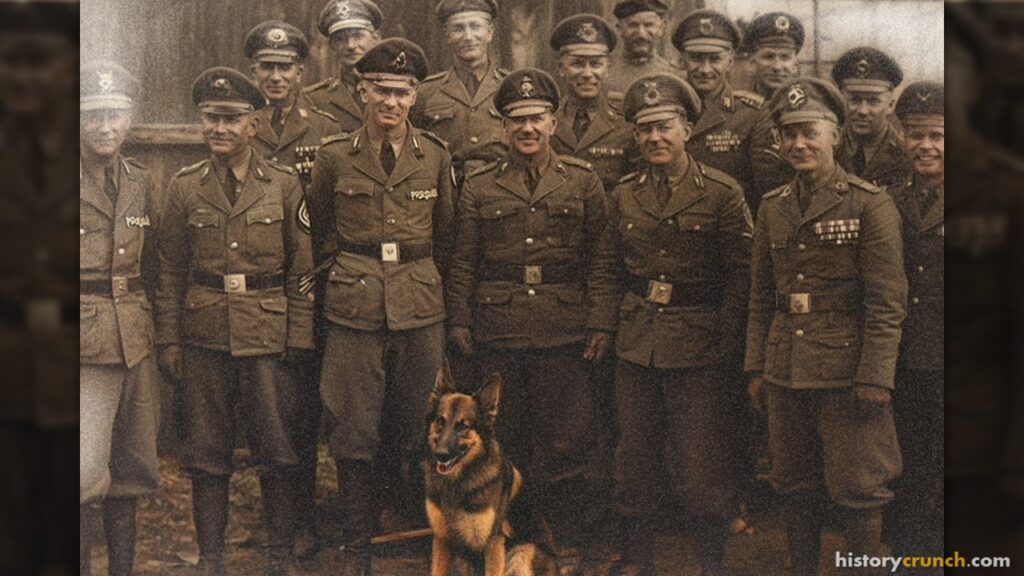
The Gestapo was the secret police of Nazi Germany and its main goal was to maintain the Nazi regime in Germany and later in the occupied countries. More specifically, Gestapo officers worked to identify, monitor, and eliminate political opponents and anyone considered a threat to the Nazi regime. For this reason the Gestapo was one of the most feared organizations in Nazi Germany and was used as a tool of repression. As such, the Gestapo was an important aspect of Nazi Germany, the Holocaust and World War II.
GESTAPO – SUMMARY
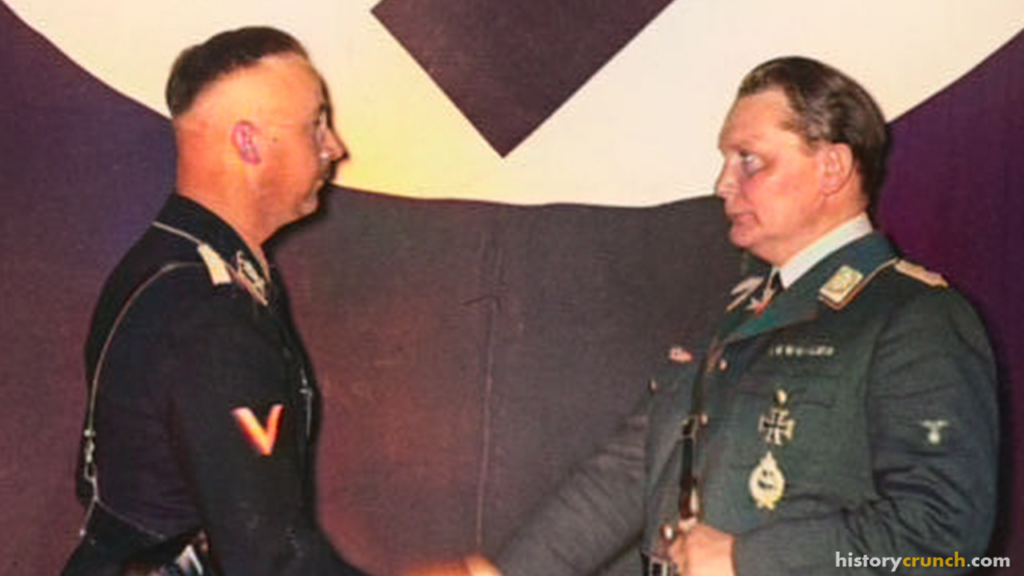
The Gestapo was officially established in 1933 by Hermann Goering. He was a leading member of the Nazi Party and one of the most powerful figures in Nazi Germany. In 1934, the Gestapo came under the control of Heinrich Himmler, head of the SS (Schutzstaffel). This formalized the Gestapo as a central aspect of Nazi Germany and gave it a wide reach across German society. Furthermore, Himmler transformed it into a more powerful force that could carry out its operations without interference from traditional legal institutions and the courts.
As stated above, the Gestapo was a used as a tool of repression by the Nazis. In order to achieve its goals, the Gestapo was given extraordinary powers. For instance, the Gestapo had nearly unlimited authority and had little or no oppositions to its practices. More specifically, it was known to arrest, detain, interrogate, torture, and even kill individuals suspected of expressing views against the Nazi Party. As such, the Gestapo created a culture of fear in German society in which citizens were afraid to speak openly, even among friends and family. This culture of fear was made even more intense by the fact that the Gestapo operated as a ‘secret police’ force. This means that it carried out its operations without following established laws.
Many of the early targets of the Gestapo included: communists, socialists, trade unionists, pacifists, and anyone else suspected of disloyalty to the Nazi Party. Then, with the passage of the Nuremberg Laws of 1935, the Gestapo also began targeting Jewish people, homosexuals, disabled people and other groups considered ‘undesirable’ by Nazi ideology. The victims of the Gestapo were often sent directly to concentration camps, where they endured forced labor, torture, or execution.
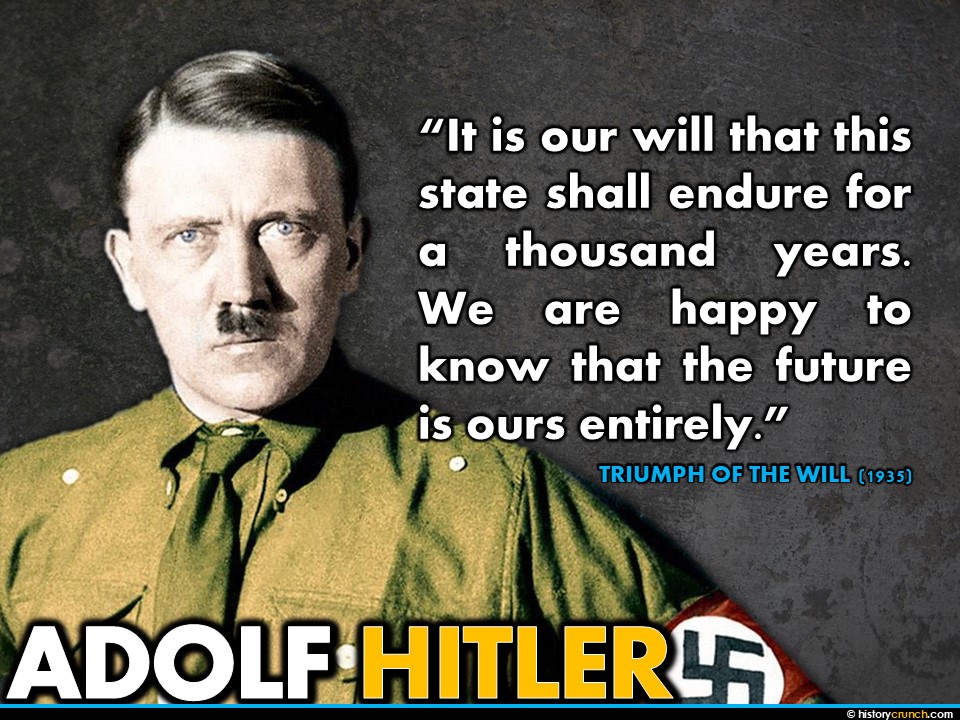
During World War II, the Gestapo expanded its reach across the regions of Europe that Germany had come to occupy. It helped conducted mass arrests and participated in the deportation of millions of Jewish people to death camps as part of the ‘Final Solution’ of the Holocaust. In fact, historians have concluded that the Gestapo worked closely with the SS in carrying out widespread atrocities, including mass shootings and torture. As such, the Gestapo was central to maintaining the fascist dictatorship of Adolf Hitler and the racist ideology of Nazism.
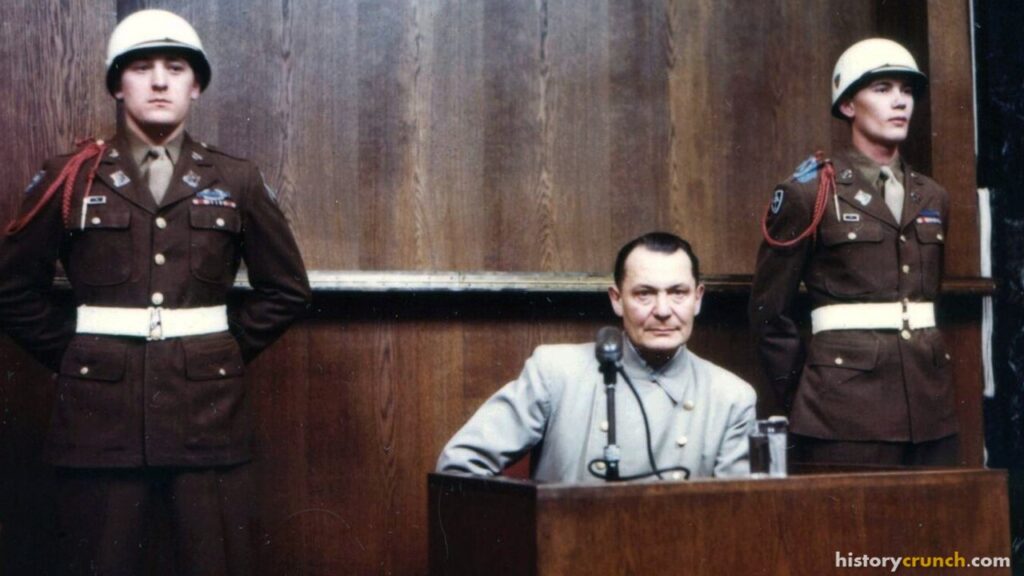
World War II ended in 1945 when the Allied Powers liberated Europe from Nazi control. By this point in history the Gestapo had become a symbol of brutal authoritarian control and state-sponsored repression. In fact, the crimes of the Gestapo were brought to light during the events of the Nuremberg Trials, which were carried out against Nazi officials. In fact, leaders of the Gestapo were brought to justice for their roles in carrying out war crimes and crimes against humanity.
GESTAPO – SIGNIFICANCE
The Gestapo was a significant aspect of the Nazi regime. For instance, it was important in terms of enforcing Nazi policies, especially against those that were deemed to be ‘undesirable’ or ‘disloyal’. As such, it enabled the Nazi regime to maintain absolute control over German society through surveillance, fear, and brutal repression. This made the Gestapo a symbol of Adolf Hitler’s totalitarian reign.
Beyond prioritizing Nazi ideology and instilling a culture of fear in German society, the Gestapo also played an important role in the events of World War II and the Holocaust. For instance, the Gestapo were used in the occupied countries of europe to crusht resistance movements against Nazi control. As well, the Gestapo played a central role in the deportation of millions of people to concentration and death camps. Its cruel and brutal methods made it one of the most feared institutions in Nazi-occupied Europe.