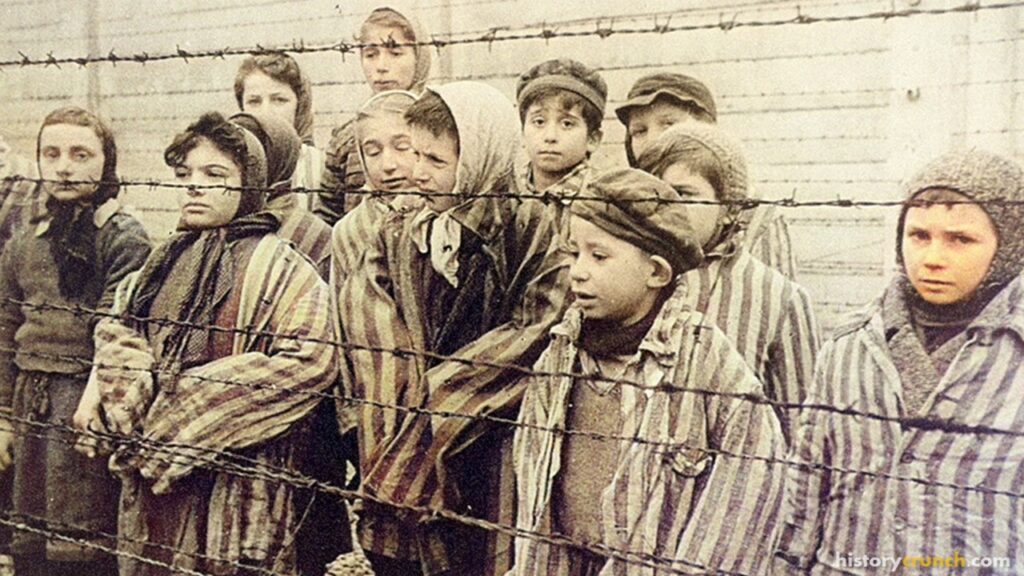
The liberation of the Nazi concentration and death camps occurred in the final months of World War II, as Allied forces advanced into Nazi-occupied Europe in 1944 and 1945. These liberations revealed the full horror of the Holocaust and exposed the world to the scale of the genocide carried out by Nazi Germany. The liberations of the camps were generally carried out by American, British, Soviet, and other Allied troops. In short, the soldiers of these nations were unprepared for the horrible atrocities they encountered when they found and liberated the camps.
WHAT WAS THE HOLOCAUST?
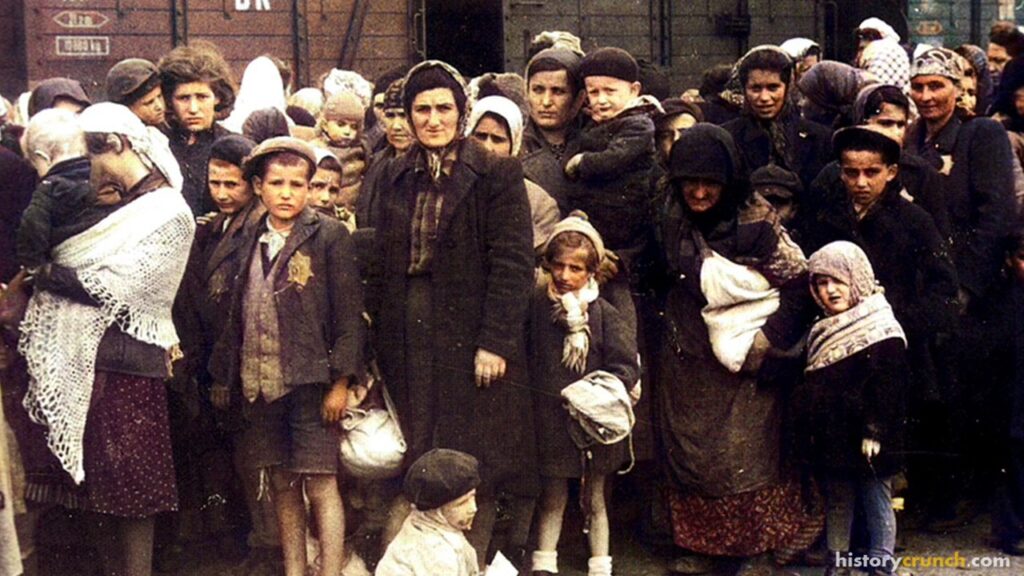
The Holocaust is one of the most important events of the 20th century and is perhaps the most significant genocide in human history. A genocide is a mass killing of a group of people for ethnic, religious or racial reasons. The term ‘holocaust’ refers to death by fire in reference to the way that people were executed during the event. It unfolded during the reign of Adolf Hitler in Germany and the major events of World War II. During the Holocaust, which occurred from 1933 to 1945, over 11 million people were executed. In total, 6 million were Jewish people, while the other 5 million included several other groups, including: disabled people, homosexuals, communists, Soviet and Polish prisoners of war, gypsies, and other religious and ethnic minorities.
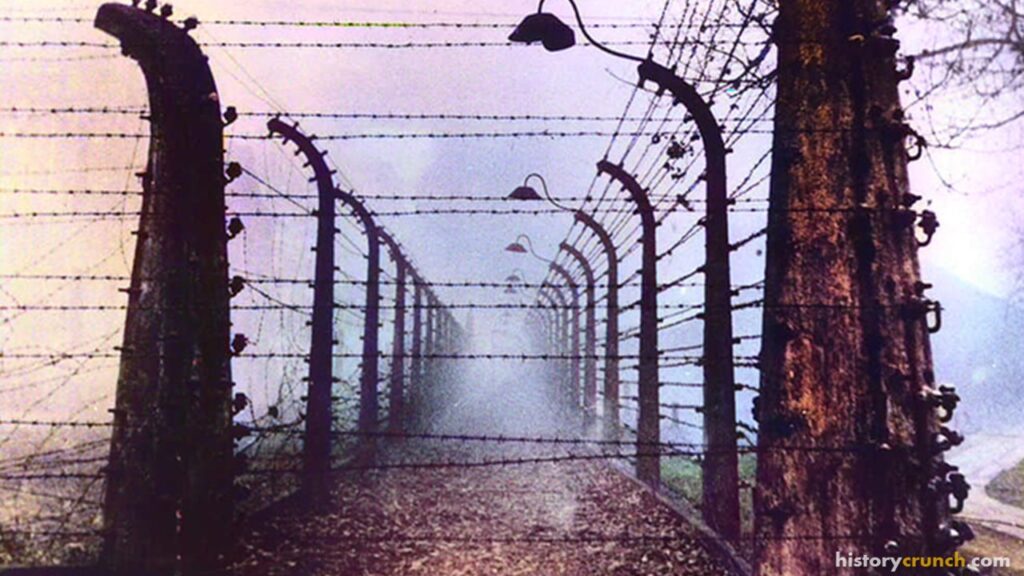
LIBERATION OF THE CAMPS – SUMMARY
As World War II came to an end and the Allied armies pushed their way through Poland, they came across the systems of concentration and death camps that were part of the Holocaust. What they found were piles of corpses, gas chambers, crematoria, and thousands of survivors suffering from starvation, disease, and abuse.
While high command officers of the Allied forces were aware that the camps existed during the course of World War II, the average Allied soldier (American, British, Canadian, French, Soviet) were unaware and were surprised by the horrors they discovered. Often, the Nazi guards left in a rush and abandoned the camps fearing the arrival of the Allied troops. As such, they tried to execute as many prisoners as possible before abandoning their post and the Allied soldiers found camps with bodies scattered throughout. Since many were not killed before the Nazi guards fled the camps, the Allies also discovered thousands of sick and dying people. Other times, the Nazi guards took the prisoners with them and forced them to march until they died. Regardless, the Allied soldiers discovered horrible atrocities and began the process of recording their discovery for history. Many of the images that exist today, from the camps, come from the records of Allied soldiers who liberated the camps. As well, the United States Army forced local towns’ people to go through the camps after their liberation to see the piles of dead. The intent was to force the people to witness the atrocities that they had supported by not acting out against the Nazi regime. The photographs and films of the atrocities in the camps also proved to be important as evidence for war crimes trials, including the Nuremberg Trials. The liberation of the camps not only saved the lives of remaining prisoners but also made the world confront the unimaginable scale and brutality of the Holocaust.
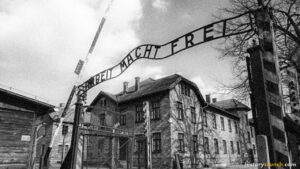
The Majdanek Camp in Poland, was the first to be liberated when Soviet forces arrived on July 23rd, 1944. The Soviet’s later liberated Auschwitz on September 27th, 1945. American forces liberated Buchenwald and Dachau in April of 1945. While the liberation of the camps was a relatively bright point in the atrocities of the Holocaust, it still highlighted the devastation of the overall event. For example, many of the freed prisoners died shortly after being liberated due to their bodies being too weak. As well, survivors were now faced with the reality of the fate of their family and friends.