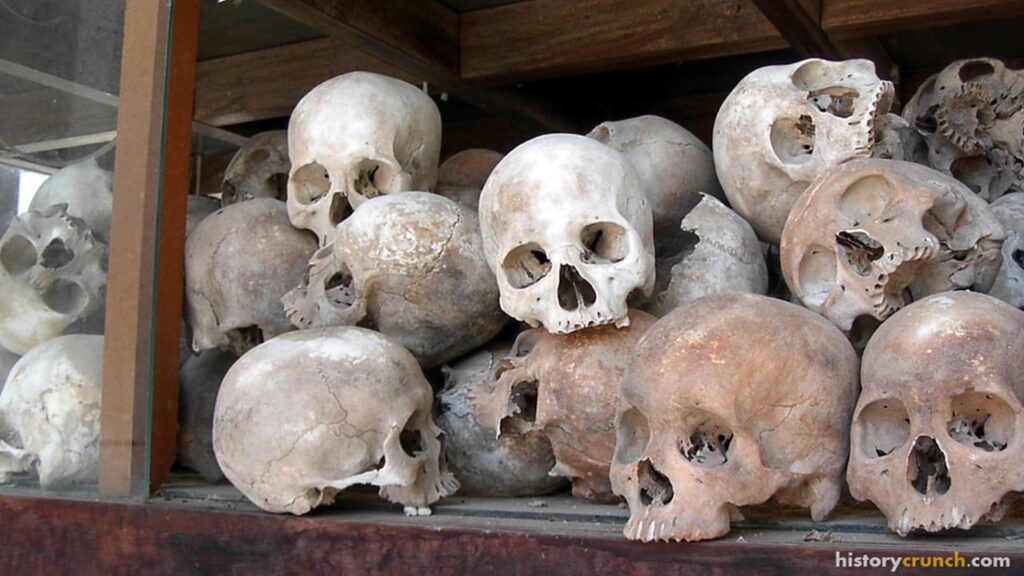
Genocide is an important topic of world history and of particular significance in the 20th and 21st centuries. The topic of genocide is also closely linked with the concepts of ‘crimes against humanity’ and ‘war crimes’ since these also generally occur alongside genocidal events.
The term ‘genocide’ is defined as a mass killing of a certain group of people based on their religion, ethnicity or cultural background. There have been many significant genocides in history, such as: Armenian Genocide, Holodomor, Nanking Massacre, Holocaust, Cambodian Genocide, Bosnian Genocide and the Rwanda Genocide. Raphael Lemkin first used the term ‘genocide’ in 1944, in his book ‘Axis Rule in Occupied Europe’. As a term, it combines the words ‘genos’ and ‘cide’. ‘Genos’ is Greek and means ‘race’ or ‘people’ while ‘cide’ means the ‘act of killing’. As such, the term refers to the mass killing of a particular group of people. For example, the United Nations defines a genocide as “acts committed with intent to destroy, in whole or in part, a national, ethnic, racial or religious group”. The United Nations outlined this definition in its 1948 Genocide Convention. The creation of the United Nations is important to the history of genocides, as it was essentially created to help prevent or stop mass killings, which had been more common in the early 20th century.
GENOCIDE – CLASSIFICATION
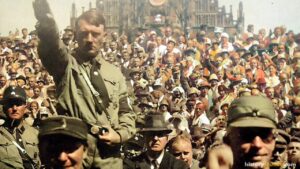
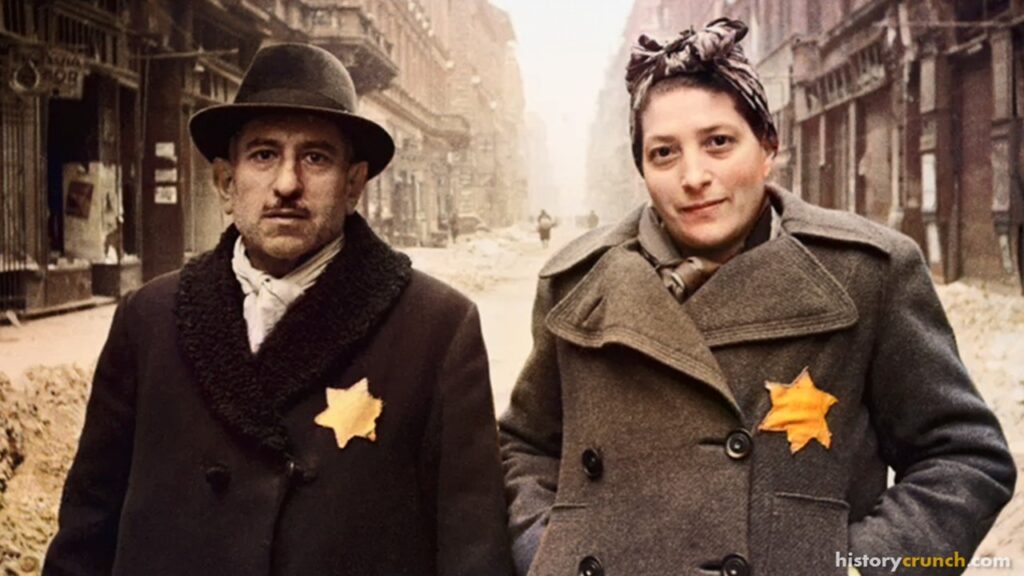
As stated above, there have been many significant genocides in history. However, the Holocaust is likely the most significant genocide of the 20th century and eventually led to the recognition of genocide as a distinct topic of study. For instance, the major events of the Holocaust occurred throughout the 1930s and 1940s during the reign of the Nazi Party in Germany. The Nazi Party, under the leadership of Adolf Hitler, systematically killed 11 million people in the Holocaust including as many as 6 million Jewish people. The Holocaust ended in 1945 with the defeat of Nazi Germany in World War II by the Allied countries. As a result of the events of the Holocaust and World War II, countries of the world united to establish the United Nations in 1945. For example, the United Nations was created with the goal of preventing wars and genocide. The United Nations Genocide Convention of 1948, which was first discussed above, was important because it was the first time that genocide was defined as a criminal act. This is important because it caused the world to consider perpetrators of the genocide as criminals who should be held accountable for their actions. The first instance of this was the Nuremberg Trials following the events of the Holocaust and World War II.
GENOCIDE – AN INTERNATIONAL CRIME
During World War II, the Allied powers met several times to discuss post-war Europe and how to bring the Nazis to justice. For example, three significant conferences were held including: the Tehran Conference in 1943 and the Yalta Conference and Potsdam Conference in 1945. In general, the leaders initially disagreed on how to carry out justice. Winston Churchill of Britain and Joseph Stalin of the Soviet Union favored summary executions, meaning the officials would be killed without a trial. Whereas, U.S. President Franklin D. Roosevelt, and later Harry S. Truman, were in favor of a formal trial to ensure the collection and presentation of evidence in order to prove guilt. Eventually, the other leaders agreed with the American approach and the nations set out to establish the system of trials. The trials were established in the German city of Nuremberg after the conclusion of World War II.
The Nuremberg Trials began on November 19th, 1945 with indictments against twenty four captured Nazis and different Nazi organizations, including: Nazi leadership, the SS, the Gestapo, and the SA. The first charge was that the Nazis participated in a conspiracy to wage war and end the peace following World War I. The second charge was that the German leadership planned and carried our wars of aggression. The third charge was for war crimes and the fourth charge was for carrying out crimes against humanity. Of the twenty four Nazis tried at the Nuremberg Trials only five were found not guilty. The other nineteen were convicted and either sentenced to prison terms, including life in prison, or given a death sentence.
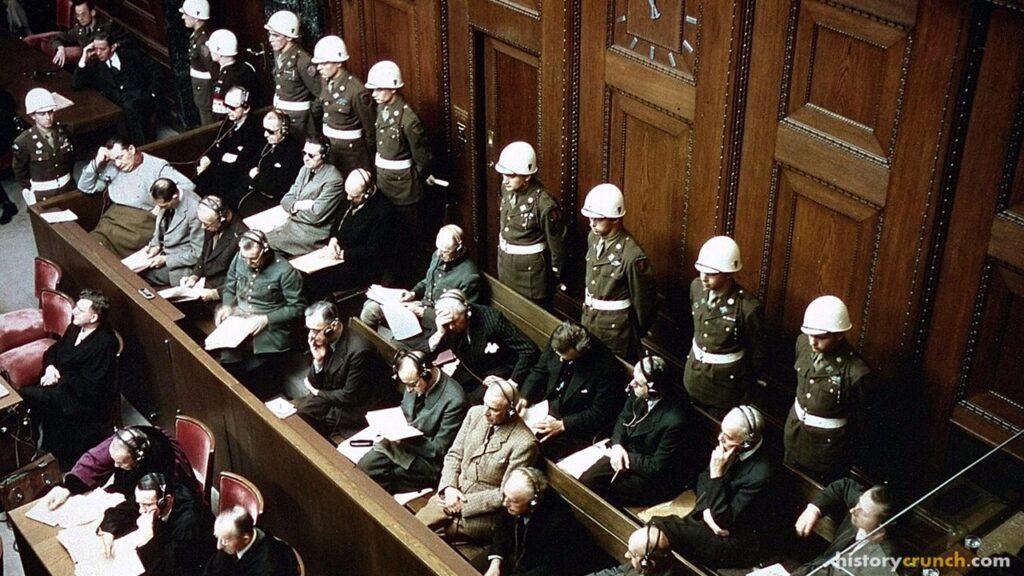
The Nuremberg Trials were a significant because they were the first such ‘international’ trial and established a model for future trials. As well, the Nuremberg Trials helped establish a renewed interest in human rights issues. For instance, the United Nations was established with the goal of preventing similar future conflicts. Furthermore, the United Nations created the Universal Declaration of Human Rights in 1948 with the goal of restoring faith in basic human rights and to avoid future related war crimes, crimes against humanity and genocides.
As stated above, the Nuremberg Trials inspired other trials related to more modern genocide, such as: Cambodian Genocide, Bosnian Genocide (Former Yugoslavia), and Rwandan Genocide. For example, the International Criminal Tribunal for the Former Yugoslavia (ICTY) was established by the United Nations in May of 1993 in order to prosecute the perpetrators of the genocide. The ICTY was located in The Hague, Netherlands and was tasked with judging the following during the Bosnian War: customs of war, genocide, crimes against humanity. The maximum sentence it could impose was life imprisonment. In total, the ICTY oversaw the trials of 111 people and dissolved as an organization in December of 2017. Also, In November of 1994, the United Nations created the International Criminal Tribunal for Rwanda (ICTR). It was established as a means of holding the perpetrators of the Rwandan Genocide accountable for their actions during the massacre. The court was located in Tanzania and oversaw trials centered around genocide and crimes against humanity. In all it oversaw 50 trials which led to the convictions of 29 people deemed responsible for the genocide. The ICTR was dissolved in 2015 having completed its mandate. Furthermore, in 2001, the Cambodian government established the Khmer Rouge Tribunals for the purpose of trying leaders of the Khmer Rouge during the Cambodian Genocide. It was a national court established by the Cambodian government but supported by the United Nations with some international lawyers and judges. The full name for the tribunals was ‘Extraordinary Chambers in the Courts of Cambodia’ or ECCC.
GENOCIDE – STAGES
In general, genocides unfold as a series of identifiable stages. Dr. Gregory Stanton (President of Genocide Watch) has identified ten stages of genocide, which include:
- Classification – The dividing of people into different groups promoting the idea of ‘us’ vs. ‘them’.
- Symbolization – Using symbols or terms to identify certain groups.
- Discrimination – Laws that decimate socially, economically and politically against certain groups.
- Dehumanization – Comparing certain groups with animals or insects.
- Organization – Systematic organization against particular groups.
- Polarization – The idea of dividing people in society to highlight differences.
- Preparation – Usually secret planning to prepare the events of the genocide.
- Persecution – The separation of particular groups from society, which may include killings.
- Extermination – The systematic killing of people.
- Denial – Perpetrators deny that a genocide exists and minimize their role in the events.
Dr. Stanton created the list to help with the identification of genocides as they unfold. However, he also noted that the ten stages do not necessarily always occur as stated above and some of the stages may occur together in singular events. Visit the website for Genocide Watch to read more in-depth information about the stages of genocide as identified by Dr. Gregory Stanton.