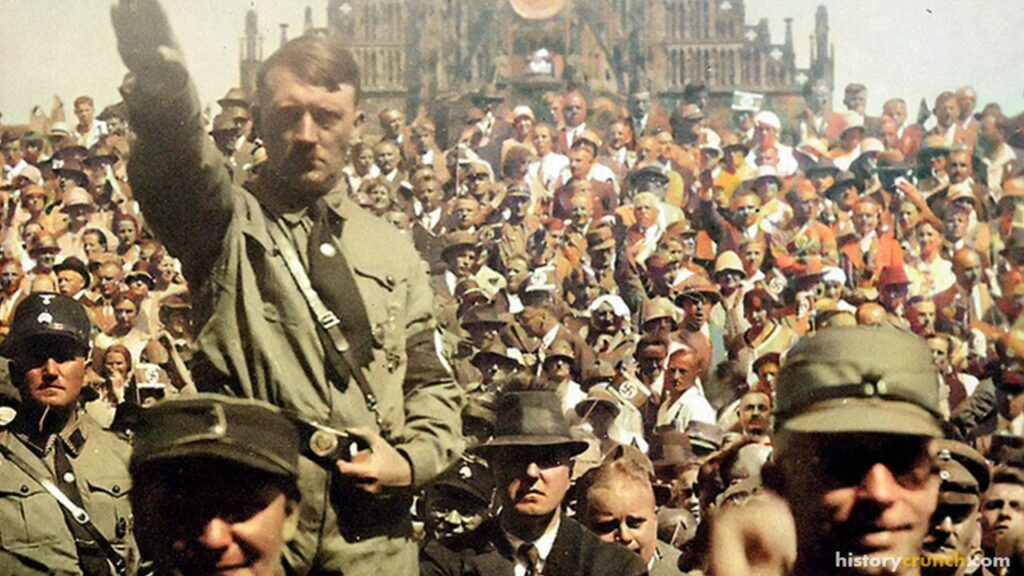
The Night of the Long Knives, also known as ‘Operation Hummingbird’, was a purge of the Nazi Party and military leadership carried out by Adolf Hitler from June 30th to July 2nd in 1934. The operation was aimed primarily at eliminating Ernst Röhm, the leader of the SA (Sturmabteilung), and other supposed political threats to Hitler’s growing control of Germany. As such, historians consider the Night of the Long Knives to be a significant event in the rise to power of Adolf Hitler and the Nazi Party.
NIGHT OF THE LONG KNIVES – BACKGROUND
As stated above, the Night of the Long Knives was an important aspect of Adolf Hitler’s rise to power in Nazi Germany. Therefore it’s first important o understand the historical background that led to the events of the Night of the Long Knives.
Adolf Hitler took leadership over the Nazi Party in 1921 and created the Sturmabteilungen (SA) in 1921. This was the paramilitary wing of the party and acted as ‘Stormtroopers’ for the Nazi cause. For instance, SA members were known to carry out the earlier violent attacks against those that did not support the Nazi Party. Furthermore, it was essentially the police of the Nazi Party and had the task of securing of meetings, attacking socialists and communists, and persecuting Jewish people.
Inspired partially by Benito Mussolini in Italy, Hitler decided in 1923 that the Nazi Party would need to seize power in Germany through the use of force. In November of 1923 Hitler and the SA led the Beer Hall Putsch, which was the Nazi Party’s attempt to overrun the German government and assume control for itself. The Beer Hall Putsch was a failure and Hitler was put on trial for treason. He was eventually convicted, but only served a little over eight months after his sentencing in early 1924.
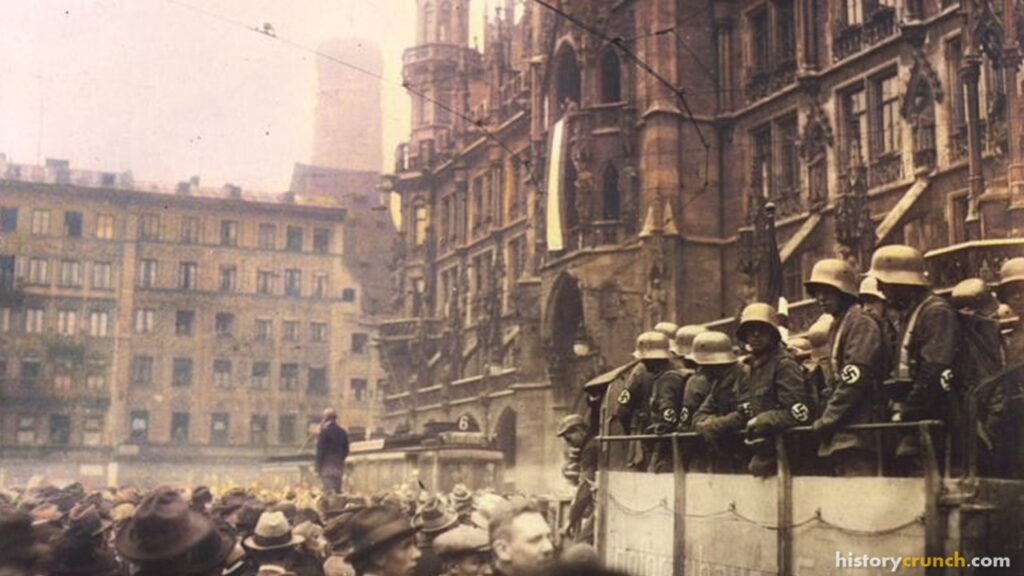
After his release from prison, Hitler worked to grow the popularity of the Nazi Party and have it achieve power through democratic means. In short, the Nazi Party promised to restore German pride, rebuild the economy, and destroy communism. Eventually, by 1932, the Nazi Party had 800,000 members and had become the largest party in the Reichstag, which was the German parliament.
After the Reichstag Fire in February of 1933, the Nazis pushed through the Reichstag Fire Decree and the Enabling Act, which gave Hitler sweeping powers and essentially dismantled the German democratic government. The Gestapo, SS, and SA were all used to eliminate political opponents, silence dissent, and enforce Nazi Party ideology.
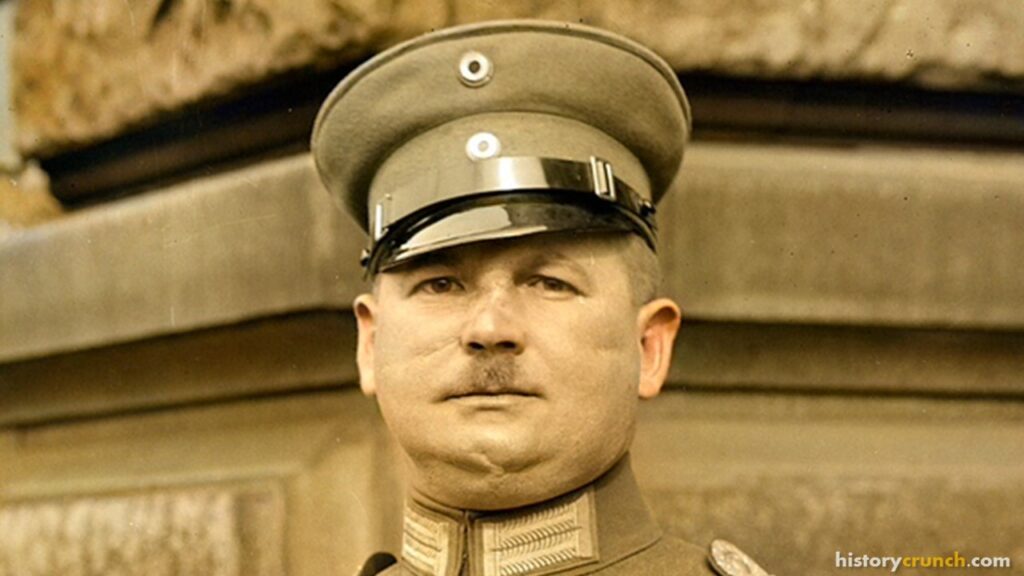
With this said, Hitler was growing worried at the power of the SA and its leader Ernst Röhm. Röhm was a military officer and leading member of the Nazi Party in its earliest years. However, by 1934, he was seen as a rival to Hitler’s authority, which ultimately led to his demise. This set the stage for the Night of the Long Knives, which was an internal purge of the Nazi Party that aimed to centralize power in Hitler.
NIGHT OF THE LONG KNIVES – SUMMARY
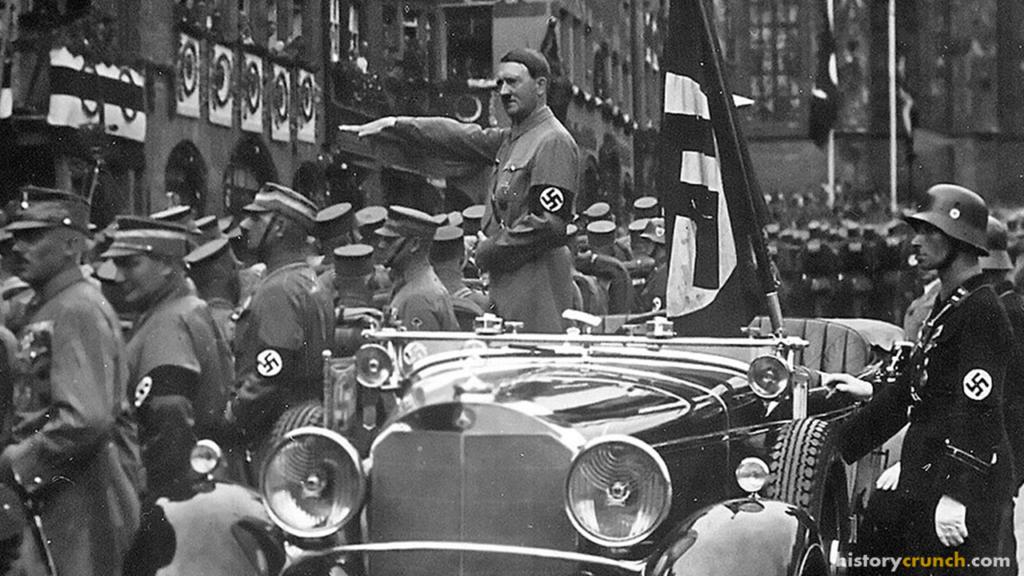
Soon, however, the SA became the main problem facing Hitler and the Nazi Party. More specifically, Hitler did not trust the SA and its leadership because he did feel as though he had complete control over it. In a violent attack on June 30th of 1934, Hitler with the help of the SS and the Gestapo, ordered an attack on SA, in which their leader, Ernst Röhm, and 700 other members of the SA were killed. This attack is known as the ‘Night of Long Knives’, and was a purge of the Nazi Party’s own ranks. The attack allowed Hitler to further consolidate the power of the Nazi Party in his own fascist dictatorship. Ernst Röhm, the leader of the SA was executed after refusing to commit suicide. Other high ranking SA officials were also rounded up and executed in the attack, with little or no evidence supplied.
NIGHT OF THE LONG KNIVES – SIGNIFCIANCE
At its core, the Night of the Long Knives was a major event in the rise to power of Adolf Hitler. It saw him purging members of his own party out of a sense of fear and paranoia. As such, historians consider the Night of the Long Knives as significant because it displayed the brutality of the Nazi regime, even against its own people. Hitler and the Nazi Party were willing to do anything to ensure loyalty.
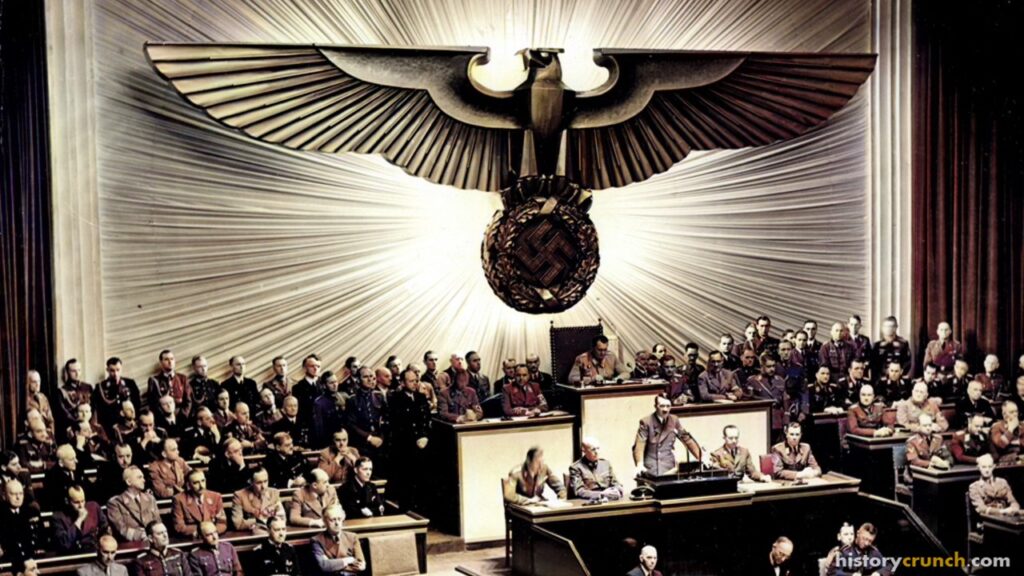
While some Germans were shocked by the violence, many accepted Hitler’s justification that he was acting to prevent a rebellion. Propaganda portrayed the purge as necessary to restore order and protect Germany. As such, historians view the Night of the Long Knives as an important example of Nazi propaganda, since it was used extensively to justify the killings as necessary. The purge also established a precedent for extra-judicial killings in the Nazi regime. In fact, Hitler publicly took responsibility and justified it in a Reichstag speech, claiming he had become the “supreme judge of the German people.”