United Nations peacekeeping missions have played a significant role in several conflicts, including: the Suez Crisis of 1956, the Bosnian Genocide and the Rwanda Genocide. The United Nations (UN) is an international organization that is headquartered in New York City, United States. It is one of the most important international organizations in the world today, as it deals with major issues facing humanity. For instance, the United Nations (UN) is tasked with promoting and maintaining peace between nations. This is achieved through several different ways, including the use of peacekeeping missions.
WHAT IS PEACEKEEPING?
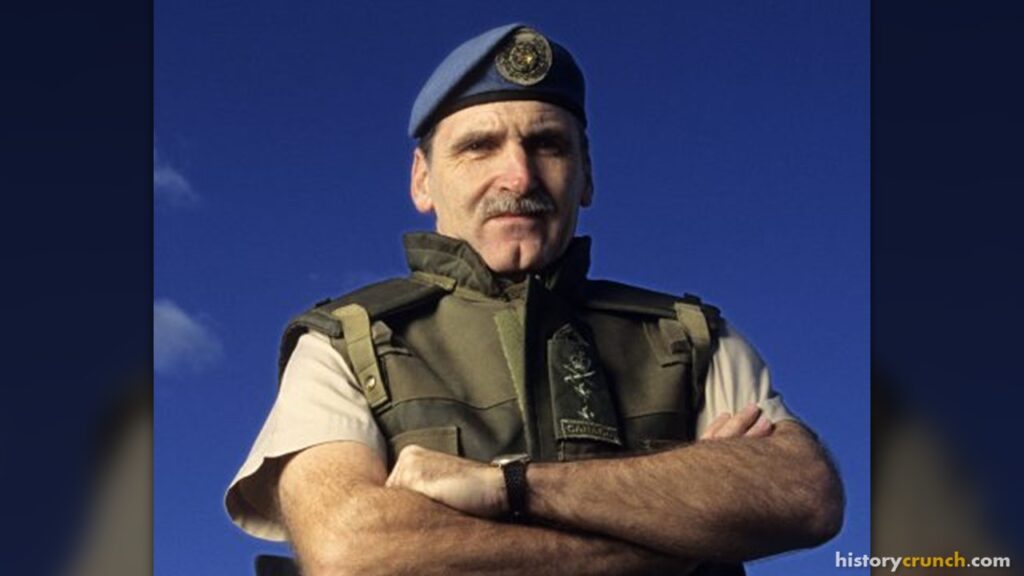
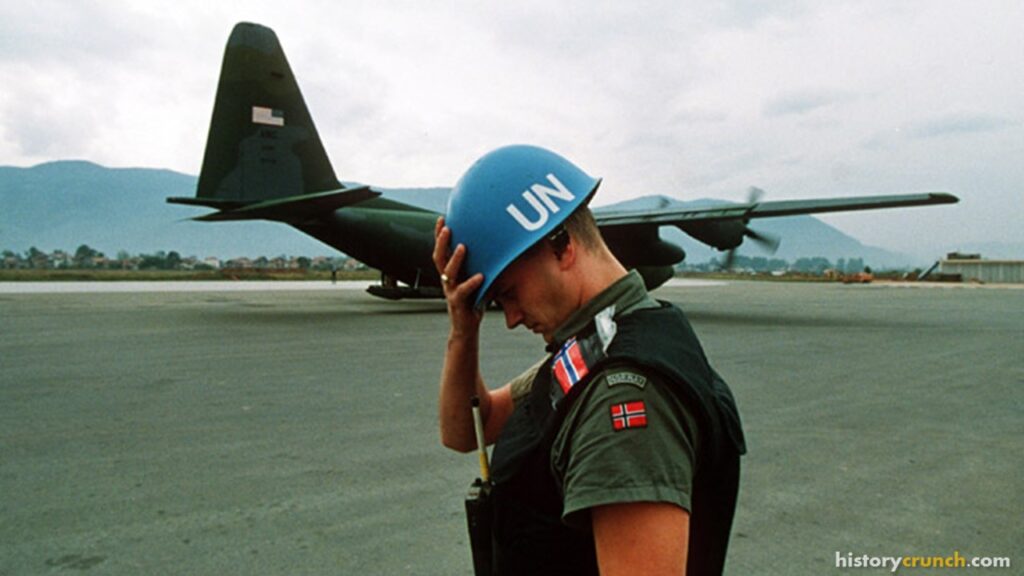
Peacekeeping is the act of maintaining peace between two groups of people or nations that are in a state of conflict. The United Nations (UN) achieves this by using a military force made up of soldiers, police officers and other personnel from across the different member nations of the UN. In general, these soldiers (referred to as ‘peacekeepers’) do not use military violence to maintain peace but rather act as a sort of referee in negotiations between the two opposing sides. United Nations peacekeepers do this by monitoring peace negotiations and ensuring both sides fulfill their promises of peace. Sometimes these UN peacekeepers are referred to as ‘Blue Helmets’ due to their distinctive blue helmets used while on mission.

UNITED NATIONS PEACEKEEPING – HISTORY
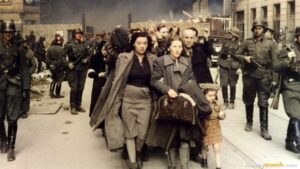
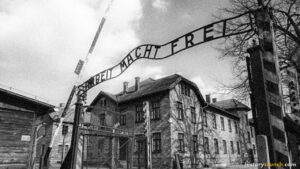
Peacekeeping as a form of maintaining world peace became popular following the creation of the United Nations. The United Nations (UN) was the not the first international organization aimed at promoting and maintaining world peace. In fact, the League of Nations was created in 1920 following the death and destruction of World War I. However, the League of Nations did not achieve its goals and ultimately failed due to conflicts that occurred in the timeframe between World War I and World War II. Due to the failure of the League of Nations, the world sought to create a new international organization following the end of World War II, which led to the creation of the United Nations (UN). In fact, the death and destruction caused by the events of World War II and the Holocaust ultimately led to the creation of the UN, as the world sought to prevent other such events from occurring again. Peacekeeping was one of the methods that the newly created UN used to prevent regional conflicts from becoming global wars.
The first UN peacekeeping mission was carried out in 1948 in the state of Israel. At the time, there was a great deal of conflict between Israel and its neighboring Arab nations. This was because the state of Israel had just been created out of the former Palestine, which created a conflict between the new Jewish state and its Muslim neighbors. During a ceasefire between the nations, the UN sent in a force of peacekeepers to try to maintain the peace. The mission was called the United Nations Truce Supervision Organization (UNTSO) and was established on May 29th, 1948. The UNSTO peacekeeping force was made up many different types of personnel who worked to maintain the ceasefire while also overseeing other agreements between the two sides. In fact, the UNSTO still operates in the Middle East today as part of the UN’s commitment to promote peace in the region.
Another significant event in the history of peacekeeping and the United Nations was in the 1956 Suez Crisis. The crisis was part of the larger conflict at the time between Israel and its Arab neighbors. It began when the country of Egypt was invaded by Israel, the United Kingdom and France in late 1956. The countries were fighting over control of the Suez Canal, which was (and remains still today) an important waterway connection between Europe and Asia. A ceasefire was declared in 1957, and the UN sent in a peacekeeping force at the suggestion of Canadian Lester B. Pearson. At the time, Pearson was the Canadian Secretary of State for External Affairs, but he also served as Canadian Prime Minister from 1963 until 1968. Pearson was awarded the Nobel Peace Prize in 1957 for his efforts in ending the crisis, and is today often viewed as the ‘father of modern peacekeeping’.
Throughout its history, the UN has launched many more peacekeeping missions, and some of these have become very famous. Below is a short list of some of these memorable peacekeeping missions and other significant events related to the United Nations:
- 1956 – United Nations carried out major peacekeeping mission in Egypt. Launched to end the Suez Crisis.
- 1950s and 1960s – United Nations peacekeeping forces operate on the southern border of the demilitarized zone between North and South Korea following the end of the Korean War in 1953.
- 1988 – Nobel Peace Prize awarded to the ‘United Nations Peacekeeping Forces’ for their contributions in maintaining world peace.
- 1992 to 1995 – United Nations Protection Force. Peacekeeping mission in Croatia and in Bosnia and Herzegovina during the events of the Bosnian Genocide.
- 1993 to 1996 – United Nations Assistance Mission for Rwanda. Peacekeeping mission in Rwanda that aimed at ending the conflict but ultimately failed. The major events of the Rwandan Genocide resulted.

UNITED NATIONS PEACEKEEPING – PRAISE AND CRITICISM
The United Nations (UN) has received both praise and criticisms for its peacekeeping efforts. In terms of praise, it has played a major role in maintaining world security over the last several decades. For instance, the UN has been responsible for establishing peacekeeping missions, which helped to prevent a conflict between two groups from escalating and becoming a larger war that would cause mass death and destruction. This is likely best exemplified in the 1956 Suez Crisis and the efforts made to prevent it from building into a larger conflict.
In terms of criticisms, the UN has faced several. For instance, some have argued that the UN has failed to live up to its mandate of preventing conflicts between nations. For example, the UN was created in 1946 just after the major events of World War II and the Holocaust. As such, when it was created, the goal of the UN was to protect basic human rights, prevent war and prevent or stop genocides. However, over the course of the 20th century, the UN has failed to contain conflicts several times. For instance, the 1993 United Nations Assistance Mission for Rwanda (UNAMIR). It was a peacekeeping mission in Rwanda that aimed at ending the conflict and genocide but ultimately failed. The major events of the Rwandan Genocide resulted. Many have looked at this event (along with others) and argued that the UN is ineffective at preventing conflicts.