
The Industrial Revolution began first in Britain in the 1700s. Historians have identified several reasons for why the Industrial Revolution began first in Britain, including: the effects of the Agricultural Revolution, large supplies of coal, geography of the country, a positive political climate, and a vast colonial empire.
BRITISH AGRICULTURAL REVOLUTION
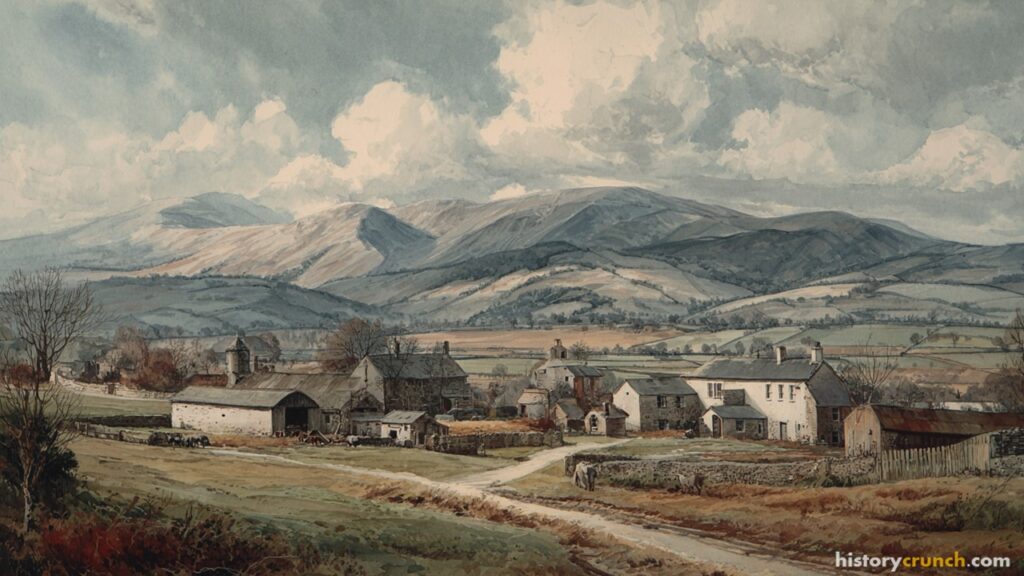
The Agricultural Revolution was a major event in world history and had a profound effect on life in Britain. For example, many historians consider the Agricultural Revolution to be a major cause of the Industrial Revolution, especially in terms of when and how it began in Britain. For instance, the Industrial Revolution began due in part to an increase in food production, which was the key outcome of the Agricultural Revolution. Food production increased due to new innovations and inventions, including: the discovery of crop rotation by Charles Townshend and the invention of the seed drill by Jethro Tull. The increased food production allowed Britain’s population to also increase which benefitted the Industrial Revolution in two ways. First, the increased population helped produce workers for the factories and mines that were so important to the Industrial Revolution. Second, the larger population created a market for goods to sold to which helped the owners of the factories to make a profit off of the sale of their goods.
COAL MINING
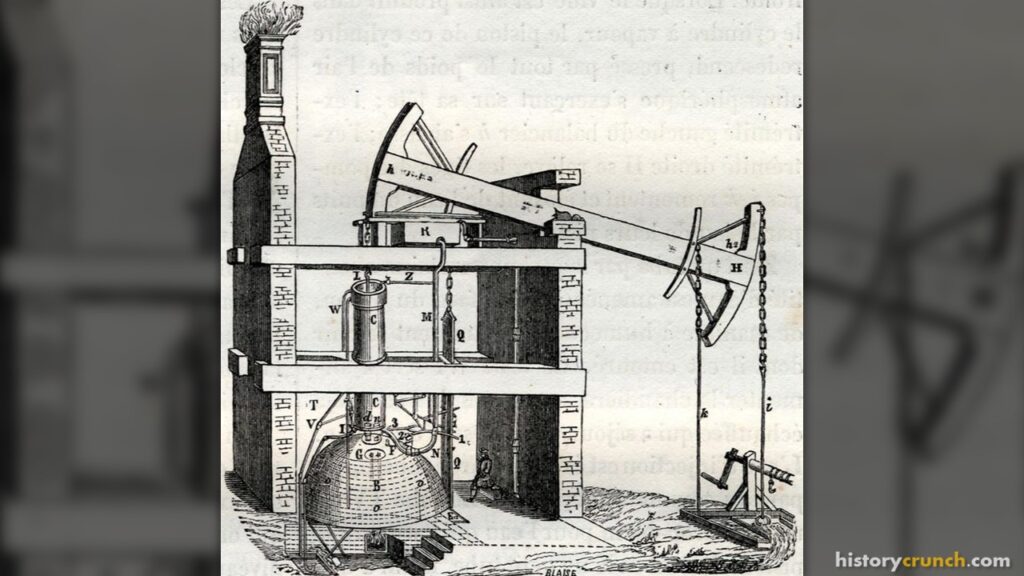
The next main reason for why Britain was the first to industrialize was the large supplies of coal present in the country. Coal was a necessary ingredient in the industrial process as it fueled the steam engines that were used in trains, ships and all other sorts of machinery. Not only did Britain have large supplies of the resource, but it was also easily obtainable. Unlike other European nations, coal in Britain was relatively close to the surface and was therefore relatively easy for miners to find and extract it. The mining of coal became even easier after the invention of the steam engine by Thomas Newcomen, which was originally used to pump water out of coal mines.
TRANSPORTATION ROUTES
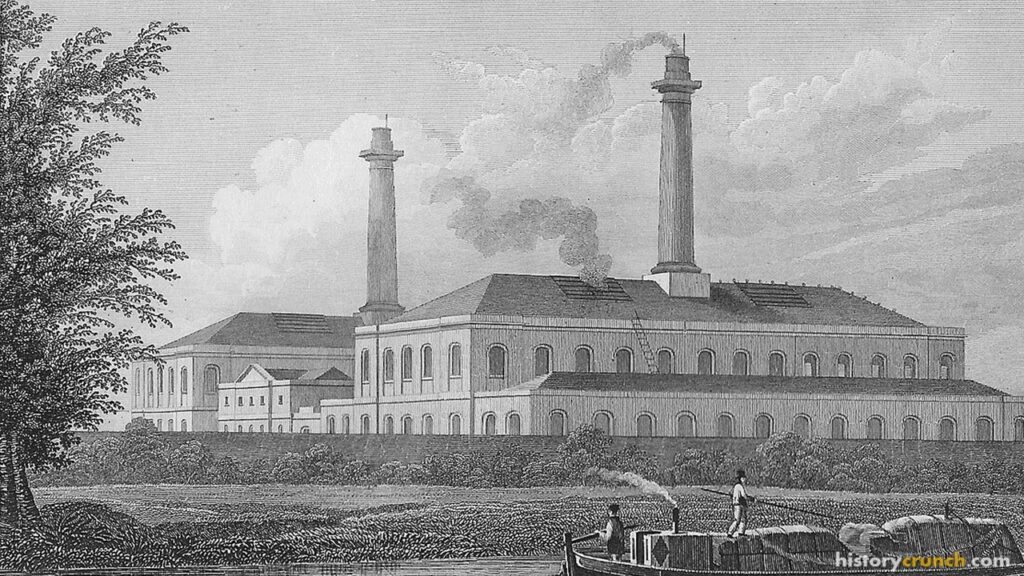
The third main reason for Britain’s industrialization was the basic geography of the country. An important aspect of early industrialization was the ability of people to transport goods and resources easily across the country. For example, goods produced in factories needed to be able to be transported cheaply and reliably to market so that they could be sold for a profit. At the same time, factory owners needed to have raw materials shipped to their factories so that they could be turned into consumer goods. At the time Britain had some of the best rivers for easily and affordably transporting goods and resources. Improvements in shipbuilding and the introduction of the steamboat furthered Britain’s dominance in this area. As well, as the Industrial Revolution began in the country, several entrepreneurs, constructed canal systems that helped expand Britain’s transportation capabilities. As such, the geography of the country allowed industrialization to flourish because it made transporting goods easy for the factory owners.
POLITICAL CLIMATE
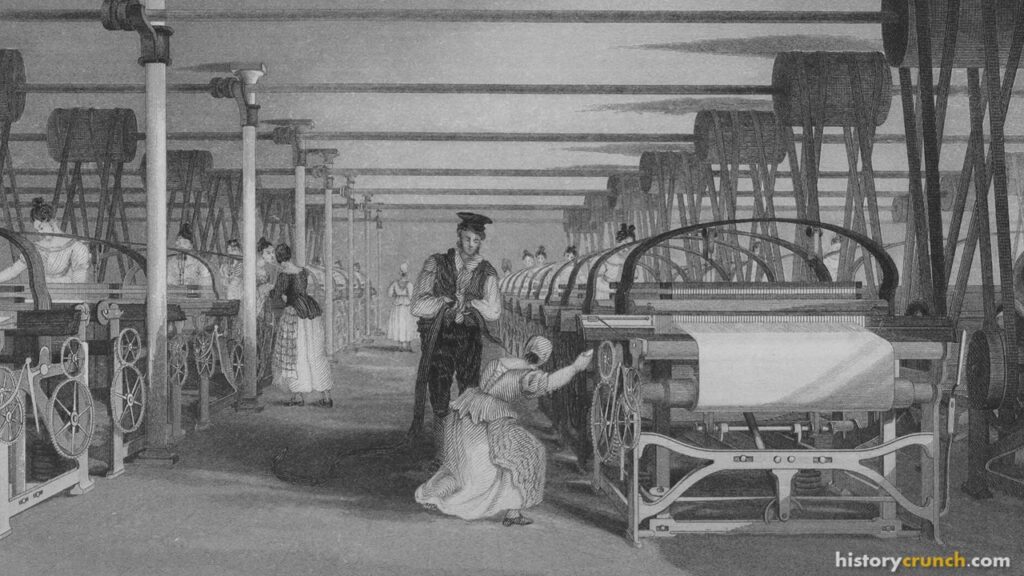
The next major reason for Britain being the first country to industrialize was the political climate of the time. In the 1700s, Britain had a stable government after having gone through civil war and revolution in the decades before. In contrast, France underwent its own revolution in the late 1780s and 1790s (French Revolution), meaning it was not concerned with industrialization and was instead focused on its own internal conflict. As well, the British government was open to the ideas of laissez-faire capitalism which were necessary for industrialization to occur. For example, the British government promoted free trade policies with its neighbouring countries which helped create markets for British produced goods. Also, the government implemented the Enclosure Acts, as part of the Enclosure Movement, which promoted private property, and allowed wealthy land owners to increase their farms. This then led to the mass movement of smaller farmers to towns and cities in search of work. Finally, the British government supported other aspects of capitalism, which helped entrepreneurs to create wealth by owning and operating factories and mines. For example, in the early years of the Industrial Revolution, the government allowed child labor and did not restrict owners in terms of rules and regulations, such as: minimum wage laws or worker rights. As such, the political climate created a system in which wealthy business-minded people were able to easily start companies.
COLONIAL EMPIRE
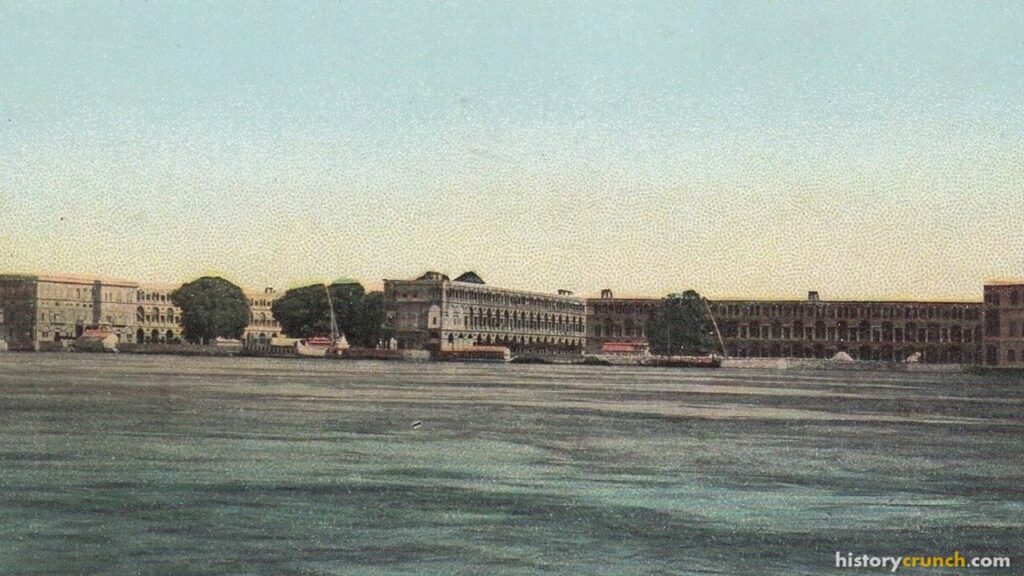
The final reason for why Britain was the first country to industrialize was due in large part to its vast colonial empire. When the Industrial Revolution began, Britain was in the midst of the Age of Imperialism, which saw European nations explore and dominate vast areas of land around the world. Britain had the largest empire out of all of the countries participating in the Age of Imperialism. For example, by the 1700s, Britain had control over areas such as: North America, South Africa, Egypt, India and Australia. This is important because it gave Britain access to huge amounts of natural resources that it could then use in the factories that developed during the Industrial Revolution. As well, the colonies also gave Britain exclusive trading rights to hundreds of millions of people. This resulted in Britain having a massive market for its goods to be sold in. For example, during the Industrial Revolution, Britain collected cotton from India, transported it to Britain, where it was turned into cloth and clothing and then sold the finished goods back to India.
WHY WAS BRITAIN THE FIRST COUNTRY TO INDUSTRIALIZE? – SUMMARY
In conclusion, historians have identified several reasons for the development of industrialization in Britain, and for why Britain was such an ideal spot for the Industrial Revolution to begin. These reasons include: the effects of the Agricultural Revolution, large supplies of coal, geography of the country, a positive political climate, and a vast colonial empire. They all combined to allow Britain to have the necessary conditions that caused industrialization to flourish.