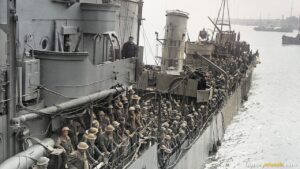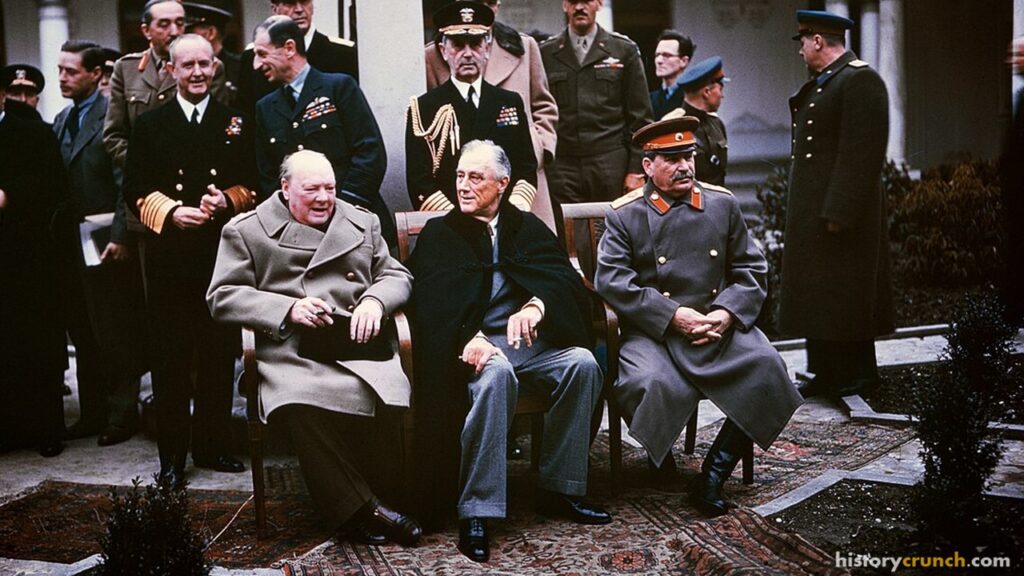
The Yalta Conference took place in February of 1945, during the final months of World War II, and brought together the leaders of the main Allied Powers, including: Franklin D. Roosevelt of the United States, Winston Churchill of Britain, and Joseph Stalin of the Soviet Union. The purpose of the conference was to discuss the postwar reorganization of Europe and how to ensure lasting peace once the war was completed. Another similar meeting was the Potsdam Conference, which took place in July of 1945. Historians consider both conferences to be significant to the end of World War II and the outbreak of the Cold War.
YALTA CONFERENCE – SUMMARY
The Yalta Conference was an important event for the end stages of World War II and the beginning of the Cold War. The Yalta Conference occurred from February 4th to the 11th in 1945 and was a wartime meeting of the Allied leaders, including: Franklin D. Roosevelt, Winston Churchill and Joseph Stalin. The meeting took place near Yalta, which is now a city in Crimea, Ukraine. The purpose of the conference was for the three Allied powers to begin discussing how to reorganize Europe once Adolf Hitler and Nazi Germany were defeated. While, World War II in Europe was not over yet, the Allies could see that the end of the war was near and that Germany would soon be defeated. The hope was that the three leaders could agree on how to divide Europe following the war.
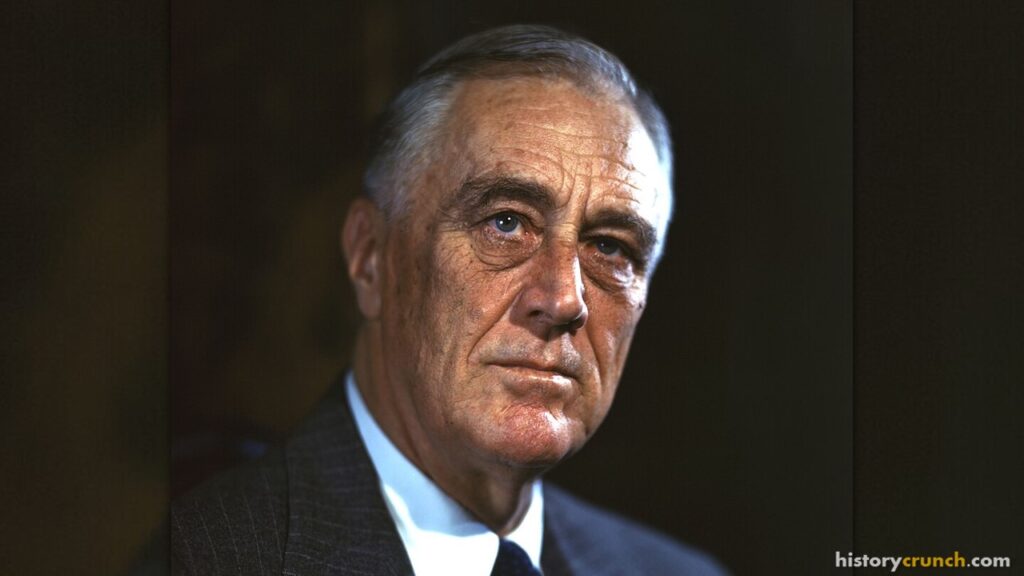
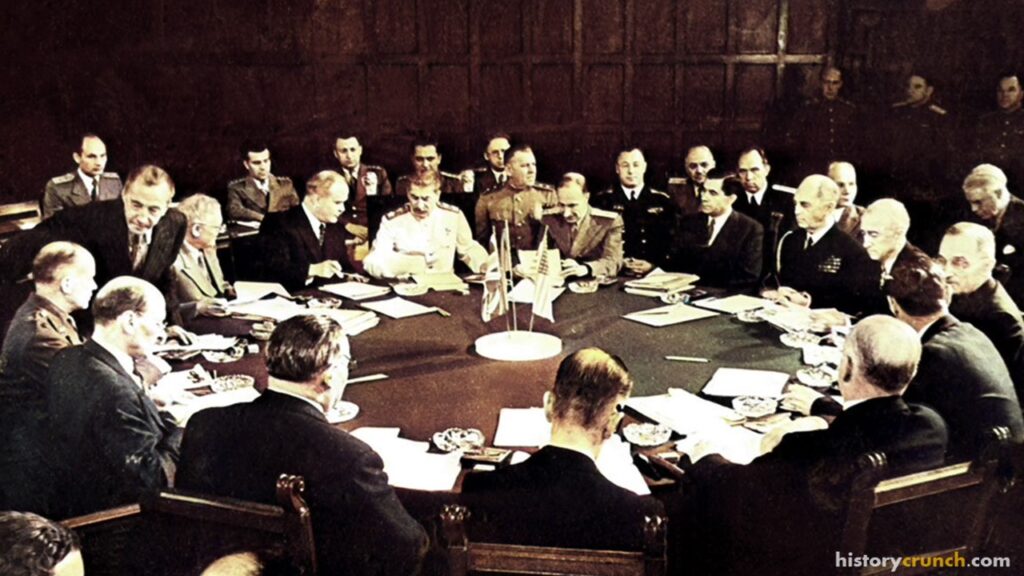
However, the Yalta Conference is now viewed as a major event in the Cold War as well, because it highlighted the divide between Stalin and the other two leaders. Neither side trusted the other and Joseph Stalin was resentful of the other two (Britain and the United States) believing that they delayed the Normandy Invasion and Allied invasion of Italy to cause the Soviet Army to struggle alone against Nazi Germany. This divide would be further highlighted at the later Potsdam Conference.
YALTA CONFERENCE – SIGNIFICANCE
The three leaders made several important decision at the Yalta Conference. First, they agreed on the division of Germany into four occupation zones. The plan was for each of the occupation zones to be run by the different Allied nations (Britain, France, United States and the Soviet Union). They also decided that the Soviet Union would join the war effort against Japan after Nazi Germany’s defeat in Europe. Another key outcome was the agreement to hold free elections in the Eastern European countries that had been freed from Nazi control. Although, this promise was later broken by Stalin. Finally, the Yalta Conference led to the formation of the United Nations (UN), which had the goal of promoting international cooperation and peace. In fact, the Soviets agreed to join the United Nations due to the promise of ‘veto’ power for the member nations of the security council.
While the Yalta Conference appeared to be a meeting of unified Allied leaders it also revealed underlying tensions that would soon evolve into the Cold War. In fact, these tensions were heightened even further at the Potsdam Conference in July of 1945. As such, historian consider the Yalta Conference to be significant to the end of World War II and the start of the Cold War.