The Industrial Revolution is one of the most significant events in human history and had a profound effect on many nations throughout the world. While the Industrial Revolution first began in Britain in the 18th century, and took place throughout the centuries that followed, its impacts can still be seen in our lives today. As an event, the Industrial Revolution had both positive and negative impacts for society.
The Industrial Revolution is a controversial event in history because it involved so many negative aspects, such as: child labor, poor living conditions and poor working conditions. However, it’s important to note that several positive elements also emerged from the time period of industrialization. The main positive factor of the Industrial Revolution was that it led to the improved quality of life for people today. This improvement can be seen in our modern access to many different types of mass produced goods. A main feature of the Industrial Revolution was that it introduced the factory system.
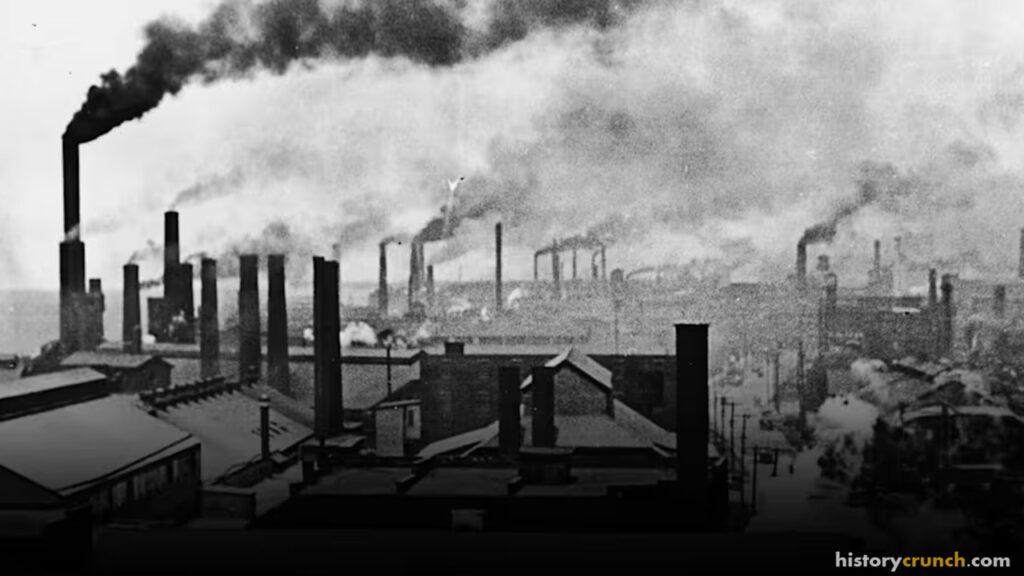
CHANGES TO MANUFACTURING
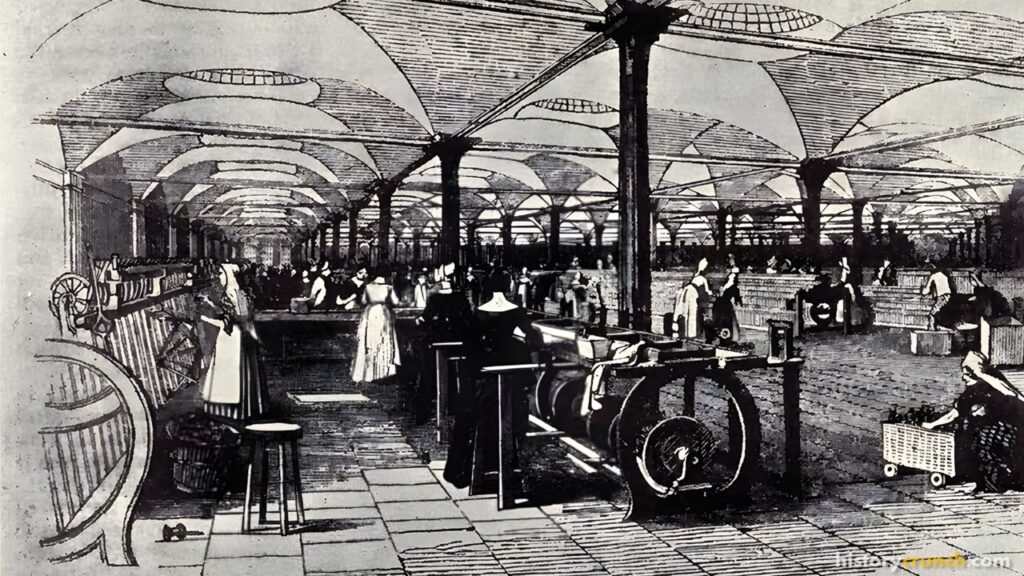
Before the start of the Industrial Revolution, the production of goods was done on a very small scale. Historians refer to this method of production as the ‘cottage industry’. Simply put, the cottage industry refers to a period of time in which goods for sale were produced on a small scale, usually in a home. In this system, people produced goods, such as wool, in their homes or on their own farms and then sold it to local communities since long distance transportation was uncommon. This method of production was slow and inefficient and struggled to keep pace with the growing demand caused by the increased population. As a result, entrepreneurs and inventors sought ways to increase production, which ultimately led to the creation of the factory system. The factory system is a term that historians use to refer to the development of centralized factories or mills that produced goods on a mass scale. Ultimately, the factory system led to faster production, which has helped mass produce everything from cell phones to healthcare equipment. As a result, this has improved the lives of most people and allowed them access to a greater variety of goods that has enhanced their quality of life.
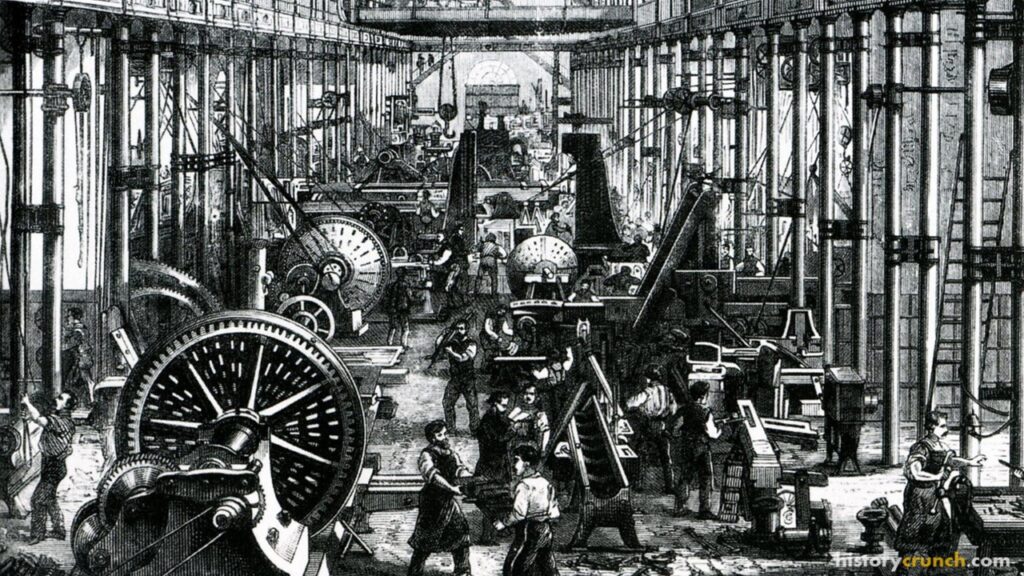
TECHNOLOGICAL INNOVATIONS
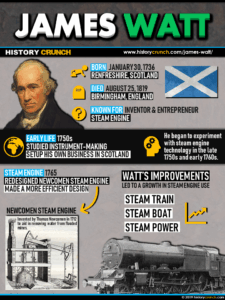
Furthermore, as part of the development of the factory system, the Industrial Revolution also led to many new technological innovations. This trend continues still today with entrepreneurs constantly working to develop new technologies and inventions. For example, the following inventions were introduced during the timeframe of the Industrial Revolution: spinning jenny, power loom, flying shuttle, water frame and the steam engine. These inventions increased industrial output and allowed the creation of new goods which improved life for people at the time. As well, the development of factories and mines in the Industrial Revolution also provided jobs for the working class people. While the jobs had many issues, they provided the people with a basic income that helped cover the costs of daily life. Furthermore, the wealthy business owners who established the factories and mines in the Industrial Revolution were able to earn large amounts of wealth by selling the goods. This allowed industrialized countries such as Britain to become very wealthy.
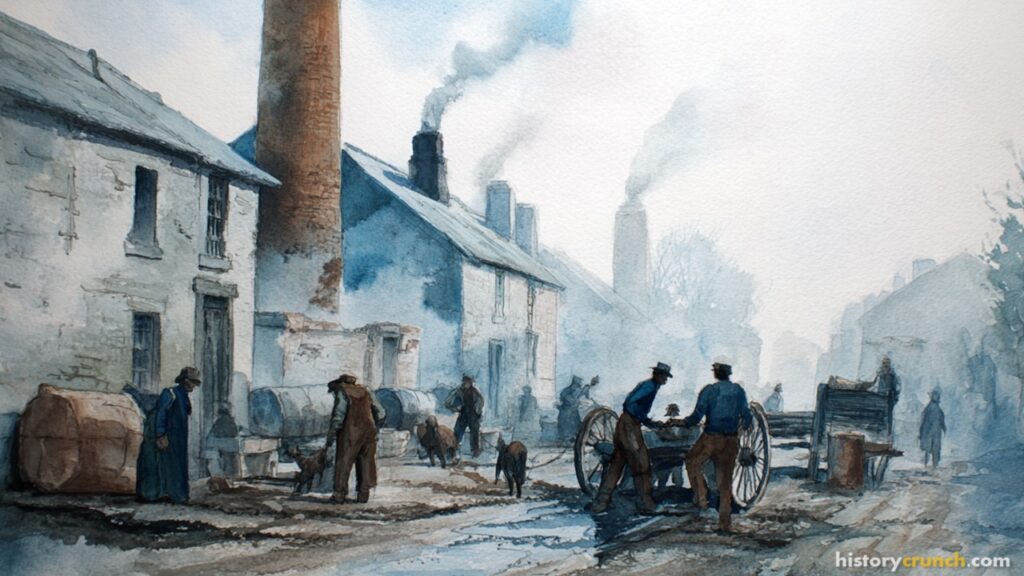
GROWTH OF LABOR AND RIGHTS MOVEMENTS
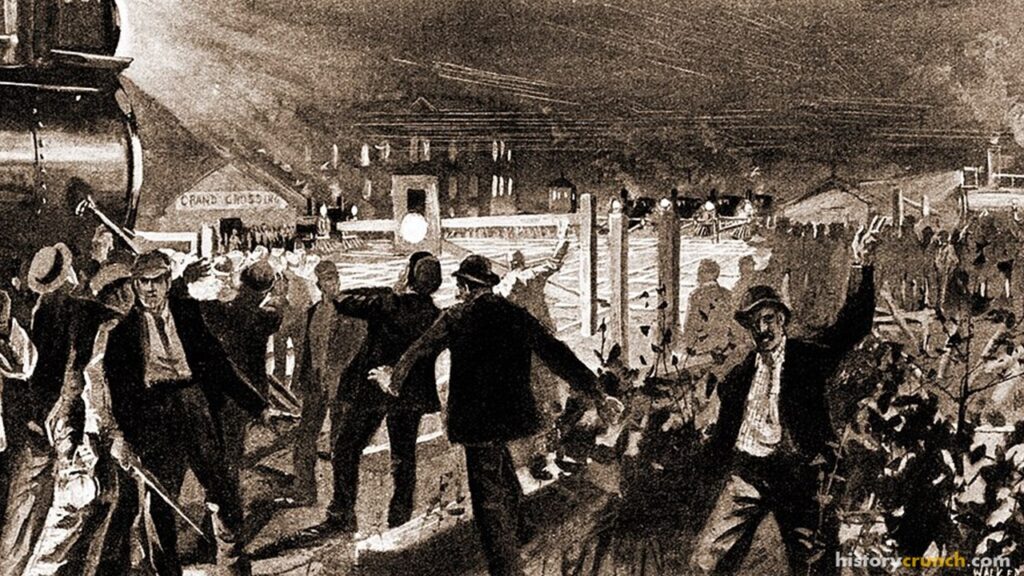
Finally, as stated above, there were many negative elements in the Industrial Revolution, such as: child labor, poor working conditions and poor living conditions. However, a positive outcome of the Industrial Revolution was the societal changes that occurred to correct these issues. For example, the Industrial Revolution led to many of the following: the growth of socialist movements and labor movements, feminist movements, improve worker’s rights, and improved pay. These major impacts of the Industrial Revolution led to many societal improvements such as: ending child labor, improved working and living conditions, worker’s rights and the growth of labor unions. Click on the previous links to learn more about each.