Water Frame Invention in the Industrial Revolution: A Detailed Summary

Water Frame Invention in the Industrial Revolution
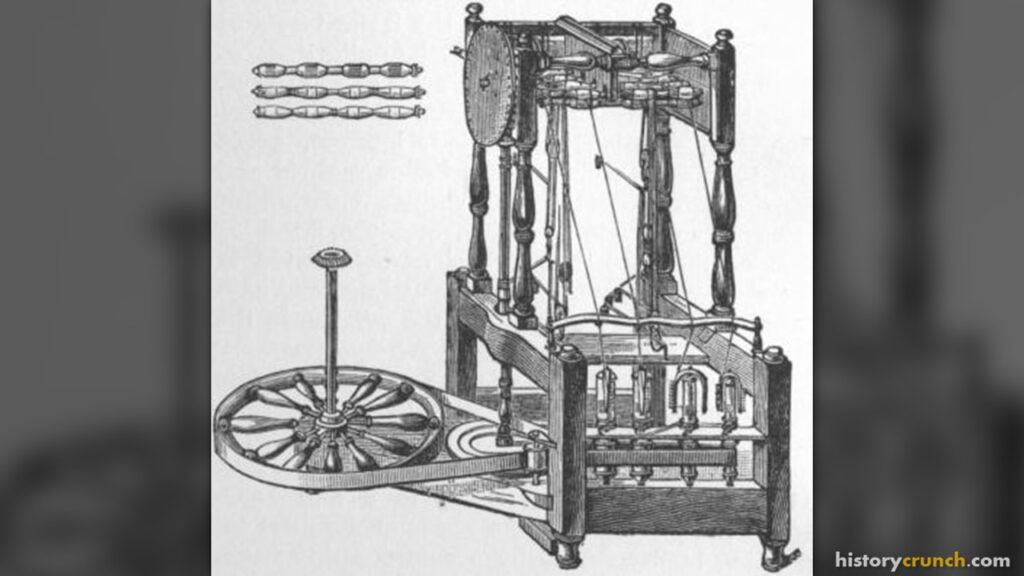
The water frame, invented by Richard Arkwright in 1769, revolutionized textile manufacturing by using water power to efficiently spin cotton fibers into strong, consistent threads, greatly increasing production capacity.

Table of Contents

The water frame, invented by Richard Arkwright in 1769, revolutionized textile manufacturing during the Industrial Revolution by harnessing water power to spin cotton fibers into strong, consistent threads. This innovation significantly increased production capacity and efficiency compared to earlier manual methods, leading to the establishment of large-scale factories. Arkwright’s water frame paved the way for the mass production of textiles, contributing to the rapid growth of the industry and the broader economy. Additionally, it played a crucial role in the shift from manual labor to mechanized production, marking a key milestone in the Industrial Revolution.

INNOVATIONS IN THE INDUSTRIAL REVOLUTION

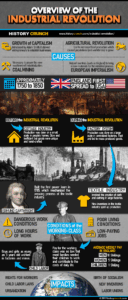
The Industrial Revolution is one of the most significant events in all of world history and had a profound impact on the modern world.  It began first in Britain in the 1700s but soon expanded to the rest of Europe and North America.  Before the innovations of the Industrial Revolution, most production depended on water, wind or human energy. The businesses that existed at this time were called cottage industries. Cottage industries were an early stage of economic development in society in which workers produce a limited amount of goods in home-based businesses.  However, by the mid-1700’s, new methods of production were being developed across Europe, especially in Great Britain.  This transition led to the factory system, which was the creation of factories in centralized locations such as industrial towns and cities.  This period of innovation continued throughout the 19th century and led to many new inventions by now famous inventors.  In fact, one of the key features of the Industrial Revolution is the development of new inventions that led to more automation by machines.  Significant inventions or innovations of the Industrial Revolution included: flying shuttlespinning jennypower loom, water frame, cotton ginsteam enginetelephonelight bulbautomobileassembly line production and interchangeable parts.
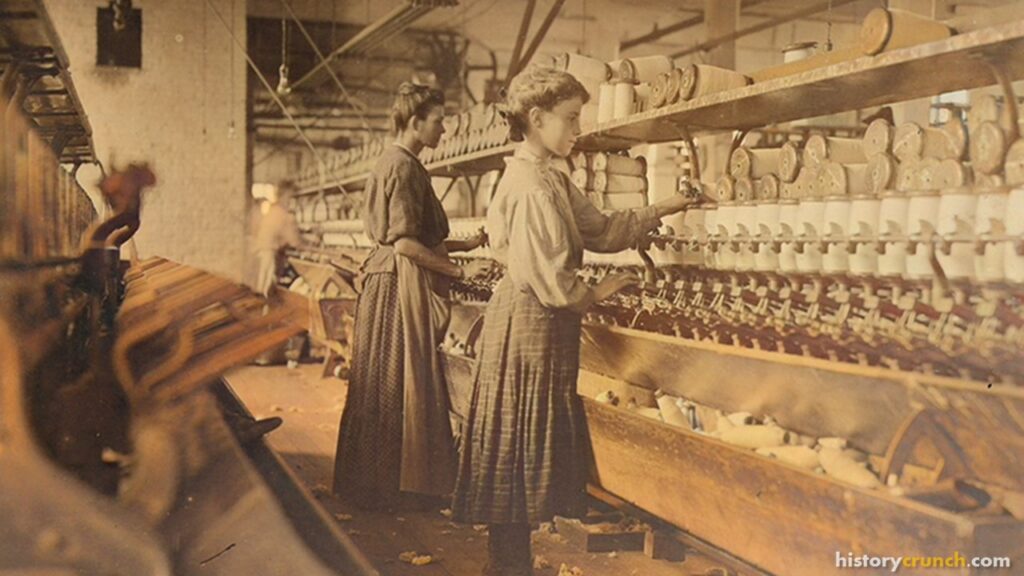
Women in the Industrial Revolution
Women and a girl working in a textile mill in the Industrial Revolution. Photograph by Lewis Hine in Georgia in 1909. (Colorized by historycrunch.com)

INVENTION OF THE WATER FRAME BY RICHARD ARKWRIGHT

A significant invention of the Industrial Revolution was the water frame, which was invented by Richard Arkwright in 1769.  Richard Arkwright was an English inventor and is remembered today for inventing the water frame, which was important to the textile industry in England.  The textile industry was based on the development of cloth and clothing in factories.

As stated above, Richard Arkwright developed a spinning machine, called a water frame, which could produce strong yarn. The machine replaced the need for manual labor and enabled the production of inexpensive spun cotton by using the moving force of a creek or river that spun a shaft. The machine was important at the time because cotton was used for clothing and other everyday items.  At first, the machine was referred to as a ‘spinning frame’ but in later years, it was known as a water frame.  In fact, the water frame was a major advancement over previous types of machinery including James Hargreaves’ spinning jenny.  This was because the water frame essentially mechanized all of the process of spinning the yarn and required very little human labor.  Arkwright’s design proved significant to the textile industry in England and was replicated all over the country.  As the Industrial Revolution progressed, Arkwright’s water frame was used in countless number of factories and made his an incredibly wealthy man.
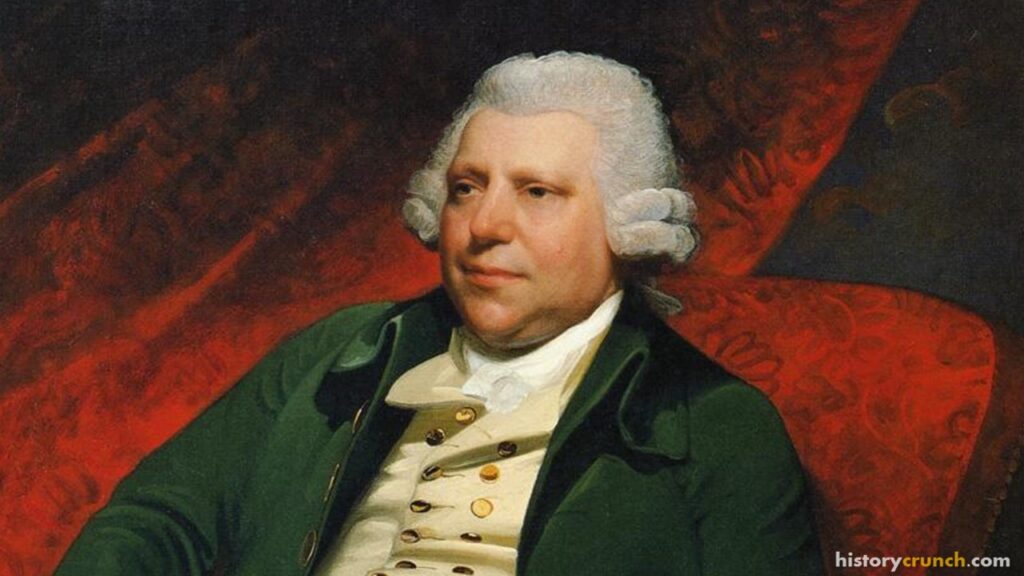

Richard Arkwright
Portrait of Richard Arkwright (1790)
Facebook
X
Reddit
Pinterest
LinkedIn

We strive to produce educational content that is accurate, engaging and appropriate for all learners. If you notice any issues with our content, please contact us and let us know!

AUTHOR INFORMATION
Picture of Elias Beck

Elias Beck

I'm a passionate history and geography teacher with over 15 years of experience working with students in the middle and high school years. I have an Education Degree with a focus in World History. I have been writing articles for History Crunch since 2015 and love the challenge of creating historical content for young learners!

Economic Individualism: A Detailed Summary

Economic individualism is centered on the idea of less government involvement or intervention in the economy. This article details the history and main principles of economic individualism.

First Industrial Revolution vs Second Industrial Revolution
Industrial Revolution

First Industrial Revolution vs Second Industrial Revolution: A Detailed Comparison

The First Industrial Revolution focused on the transition from hand production methods to machines and the rise of the textile and iron industries powered by steam and water, while the Second Industrial Revolution, often termed the Technological Revolution, was characterized by the widespread adoption of electrical power, mass production, and innovations such as the assembly line in industries like steel, oil, and chemicals.

Transcontinental Railroad Summary
Industrial Revolution

Transcontinental Railroad: A Detailed Summary

The Transcontinental Railroad, completed in 1869, was a monumental engineering feat that connected the eastern and western United States, revolutionizing transportation and commerce across the country. It was an important aspect of industrialization in the United States.

Adam Smith
Industrial Revolution

Adam Smith: A Detailed Biography

Adam Smith, an important figure in economics, is best known for his influential work ‘Wealth of Nations’, that shaped the field of modern economics. Smith’s ideas on free markets, the division of labor, and the ‘invisible hand’ have become fundamental economic principles.

Charles Dickens
Industrial Revolution

Charles Dickens: A Detailed Biography

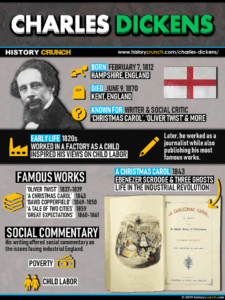
Charles Dickens is celebrated as one of the greatest writers of the Victorian era, known for his vivid characters and incisive social commentary.

Edmund Cartwright Infographic
Infographics

Edmund Cartwright: Infographic

This Edmund Cartwright infographic was created by History Crunch to help students and teachers quickly understand the life, invention and historical significance of the English inventor who revolutionized textile manufacturing during the Industrial Revolution. It covers his early life, his invention of the power loom and his lasting impact on industrial production. Designed for students in grades 5 to 12.