The Progressive Era in the United States occurred from 1896 to 1917 and was a pivotal period in American history characterized by a wave of social, political, and economic reforms. The major movement was driven by a coalition of reformers that included: journalists, politicians, activists, and ordinary citizens. Furthermore, the era sought to address the numerous problems brought about by rapid industrialization (Industrial Revolution), urbanization, and political corruption. The Progressive Era in the United States fundamentally reshaped American society, laying the groundwork for modern regulatory practices, social welfare programs, and democratic reforms. As a historical period it occurred during the period of industrialization in the United States and followed the events of the Gilded Age.
PROGRESSIVE ERA IN THE UNITED STATES – ECONOMIC REFORMS
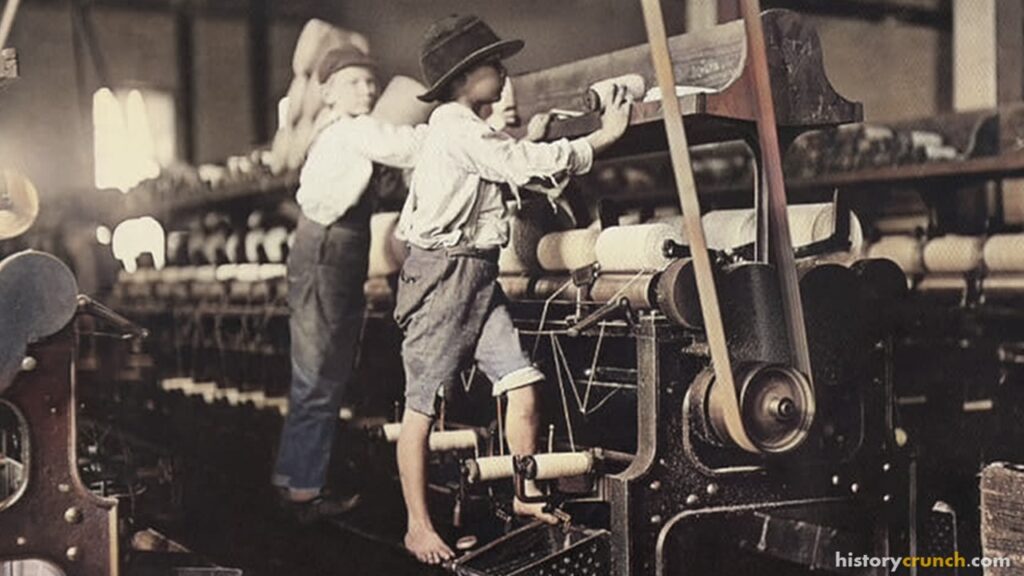
The Industrial Revolution was an important event in both world and American history. For instance, it transformed the United States into a major economic power, but it also introduced significant challenges. For instance, poor working conditions, long hours, low wages, and child labor were common in the factories of industrial cities and towns. This created a great deal of hardship and struggle for the working-class people of the time. As such, progressive reformers sought to improve these conditions through a variety of labor reforms.
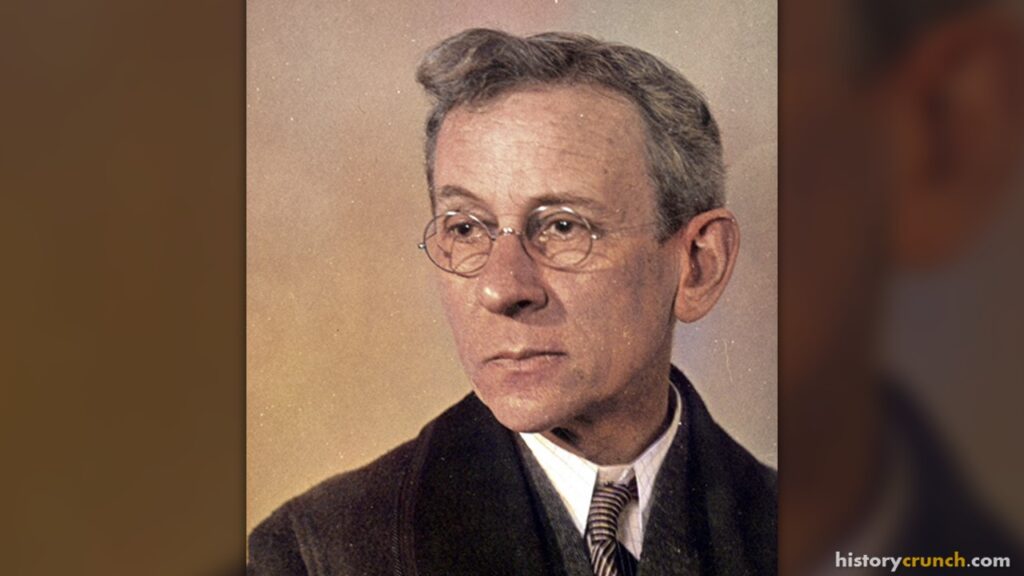
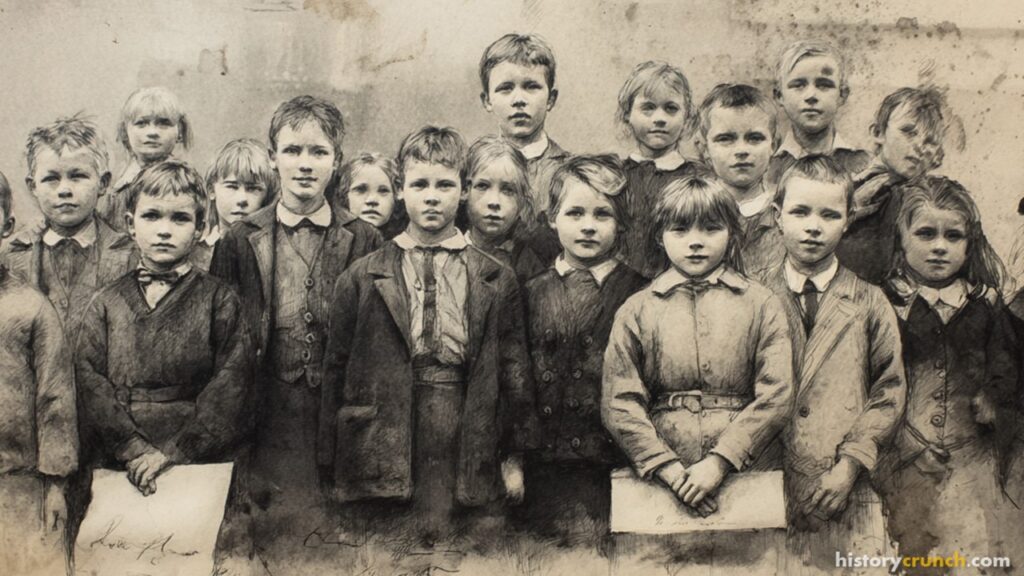
One of the key successes was the establishment of child labor laws. For example, Florence Kelley was a famous social reformer from the time and was particularly known for her efforts to end child labor and improve working conditions for women. As well, organizations such as the National Child Labor Committee (NCLC) campaigned in favor of laws to end child labor. In fact, in 1908 the NCLC hired Lewis Hine to photograph examples of child labor in American factories and mines. Today, Lewis Hine’s photos remain as an important reminder of the working and living conditions of children from this time in American history. Regardless, the calls to end child labor eventually resulted in significant restrictions on the employment of children and the establishment of minimum age requirements for work.
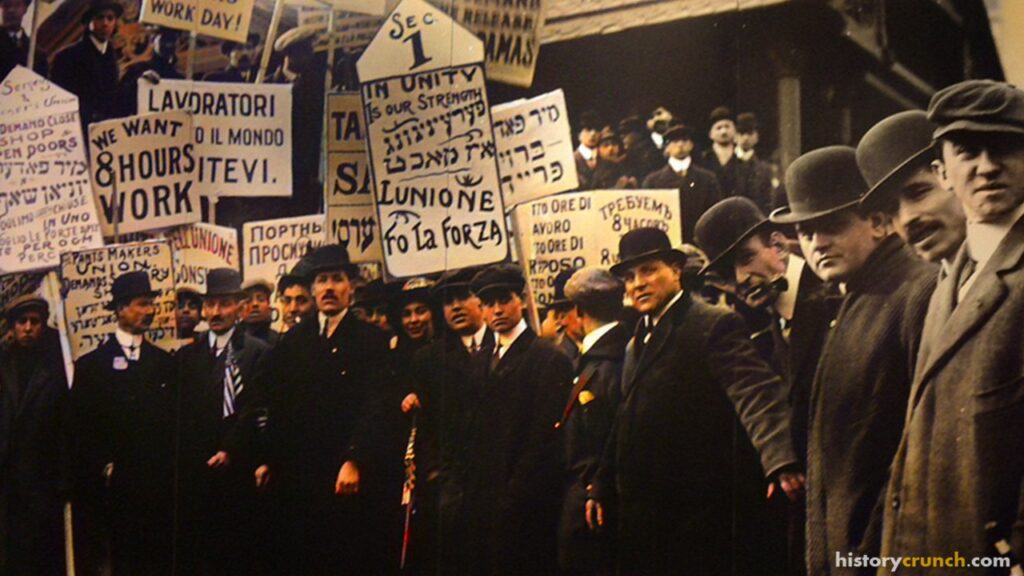
Also, the labor movement gained momentum during the Progressive Era in the United States, with unions like the American Federation of Labor (AFL) fighting for workers’ rights. Strikes and protests were common as workers demanded fair wages, reasonable hours, and safer working conditions. Significant events, such as the Triangle Shirtwaist Factory fire in 1911, which killed 146 workers, highlighted the dire need for workplace safety regulations and often led to increased public support for labor reforms.
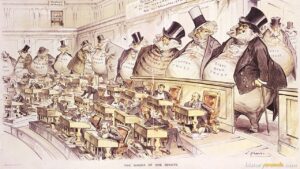
The wealth and influence of large corporations and monopolies was another major concern during the Progressive Era. In fact, some business practices, during this time, reduced competition and often led to terrible conditions for workers and consumers alike. Progressives aimed to stop these issues through antitrust legislation and regulatory measures.
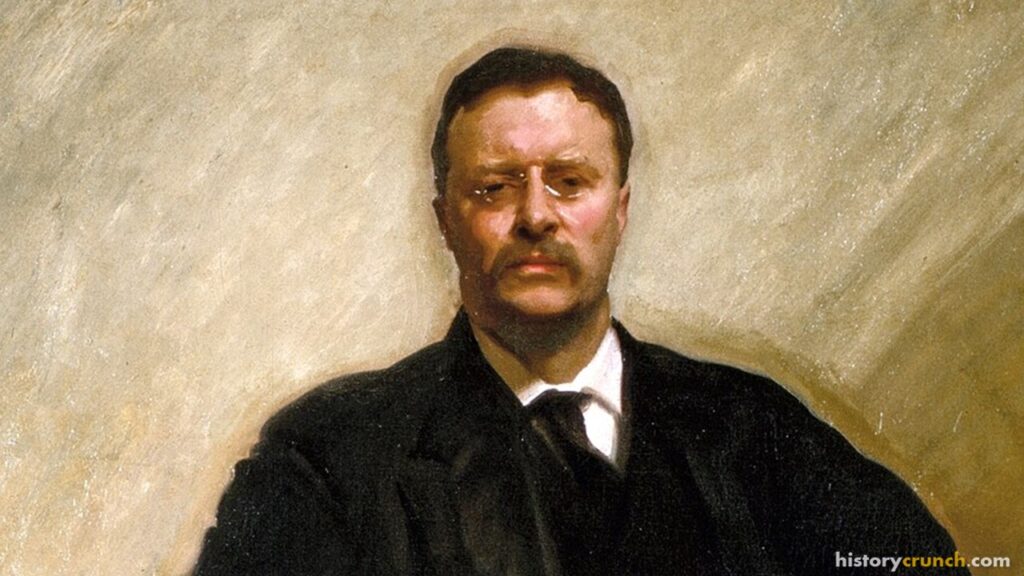
For example, the Sherman Antitrust Act of 1890 was an early attempt to combat monopolies, but it was under President Theodore Roosevelt that trust-busting gained real traction. Roosevelt, known as the ‘trust-buster’, aggressively pursued legal action against major corporations, including the Northern Securities Company and Standard Oil, to dismantle their monopolistic practices.
Furthermore, the Clayton Antitrust Act of 1914 strengthened antitrust laws. The establishment of the Federal Trade Commission (FTC) in 1914 also provided a regulatory body to oversee business practices and prevent unfair competition and deceptive business practices.
PROGRESSIVE ERA IN THE UNITED STATES – POLITICAL REFORMS
The Progressive Era was also marked by significant political reforms aimed at increasing democratic participation and reducing corruption. In fact, reformers of the time sought to make the government more responsive and accountable to the people. Furthermore, the Progressive Era in the United States was famous for the ‘Muckrakers’. In short, ‘Muckrakers‘ were journalists and writers who sought to expose societal issues such as political corruption, poor working conditions, and unfair business practices. They had a profound impact on bringing about political change during the time.
One of the most notable political reforms was the introduction of the direct primary system. This allowed voters to directly choose their party’s candidates for public office, which reduced the influence of political bosses and party machines. Additionally, the 17th Amendment, ratified in 1913, established the direct election of U.S. Senators by the people, further enhancing democratic representation.
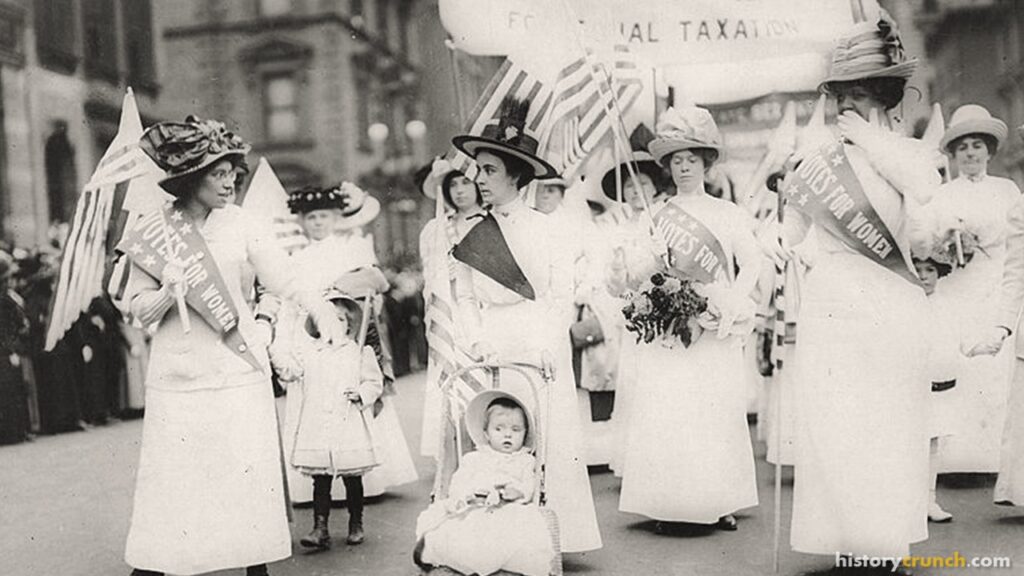
Progressives also championed women’s suffrage (right to vote), which led to the passage of the 19th Amendment in 1920, granting women the right to vote. This was an important step towards gender equality and expanded the democratic participation of the United States.
Other democratic reforms included the introduction of initiatives, referendums, and recalls, which gave voters more direct control over legislation and the ability to remove elected officials from office. These measures aimed to empower citizens and reduce the influence of special interests in politics.
As well, the Progressive Era included the presidencies of Theodore Roosevelt (1901–1909), William Howard Taft (1909–1913) and Woodrow Wilson (1913-1921). All three were instrumental in promoting political reforms.

PROGRESSIVE ERA IN THE UNITED STATES – SOCIAL REFORMS
One of the central impacts of the Industrial Revolution was that it led to urbanization as people moved to city-centers in search of work. Urbanization brought about numerous social challenges, including overcrowded housing, poor sanitation, and inadequate public services. Progressives aimed to address these issues through various urban reforms designed to improve living conditions and public health in the growing industrial cities.
One notable reform was the establishment of settlement houses, such as Jane Addams’ Hull House in Chicago. These institutions provided social services, education, and support to immigrants and the urban poor, helping them adapt to city life. Settlement houses played a crucial role in advocating for better housing, sanitation, and labor conditions.
Public health initiatives were also a key focus of the Progressive Era. Reformers worked to improve sanitation, combat infectious diseases, and promote health education. The establishment of public health departments and the implementation of building codes and housing regulations were important new reforms to help improve living conditions in the industrial cities and towns.
Education reform was another significant aspect of the Progressive movement. Progressives believed that education was essential for a functioning democracy and sought to make it more accessible and equitable. Reforms included the expansion of public schooling, the introduction of kindergarten, and the implementation of compulsory education laws. These efforts aimed to provide all children, regardless of their background, with the opportunity to receive an education.
PROGRESSIVE ERA IN THE UNITED STATES – PROHIBITION
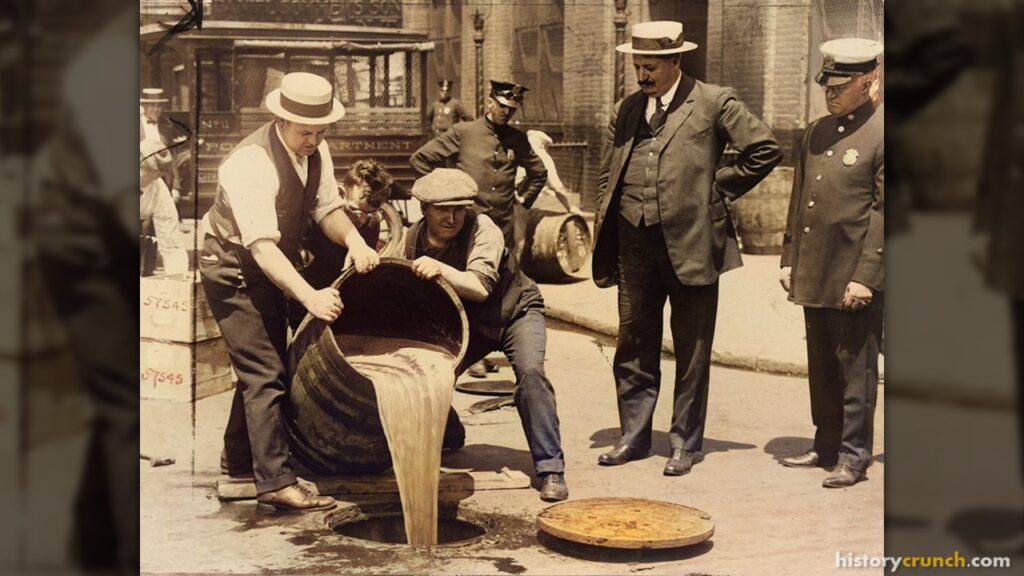
The Progressive Era in the United States also saw the rise of ‘moral reform’ movements, most notably the temperance movement, which advocated for the prohibition of alcohol. Progressives believed that alcohol was a source of many social problems, including crime, poverty, and family breakdown. The temperance movement eventually led to the passage of the 18th Amendment in 1919, which prohibited the manufacture, sale, and transportation of alcoholic beverages in the United States.
The goal of prohibition was to reduce crime and improve public morals, but it led to unintended consequences, such as the rise of organized crime and illegal ‘speakeasies’. Simply put, a speakeasy is a hidden bar from the Prohibition era. As such, Prohibition was a controversial issue in the United States and was eventually ended. More specifically, the 18th Amendment was eventually repealed by the 21st Amendment in 1933, marking the end of Prohibition.
LEGACY OF THE PROGRESSIVE ERA IN THE UNITED STATES
The Progressive Era left a lasting impact on American society and government. For Instance, the reforms enacted during this period laid the foundation for modern regulatory practices, labor protections, and social welfare programs. As such, this was a key period in the history of the United States and has had an important legacy on modern American society. For example, many Progressive reforms, such as labor laws, antitrust regulations, and public health initiatives, continue to influence American society today.
The Progressive Era also set the stage for later social movements, including the civil rights movement, women’s rights movement, and environmental movement. The legacy of the Progressive Era is evident in the ongoing efforts to address social, economic, and political inequalities and to promote a more just and equitable society.