The Age of Enlightenment was an important time in the history of the world and modern western societies. The Age of Enlightenment, or the Age of Reason, occurred during the 18th century and is known as a time period of great change and new ideas. Specifically, the Enlightenment involved an intellectual movement, in which famous thinkers and philosophers challenged some of the basic foundations of society, including: role of the government, basic human nature, sources of authority and ideas centered on liberty.
AGE OF ENLIGHTENMENT – CAUSES
The Age of Enlightenment was caused by several main factors that combined to set the stage for an era of new ideas on governance and society. For instance, historians consider the main causes of the Age of Enlightenment to be: the Scientific Revolution, Humanism and the Renaissance, the Protestant Reformation, the printing press, advances in trade and travel and the growth of anger with traditional European systems of governance. These factors combined to set the stage for the events and advancements of the Enlightenment.
For instance, the Scientific Revolution showed that reason and observation could help understand the law of nature. This then inspired people to apply the same methods to society and government. The Renaissance revived classical learning and humanism, which encouraged critical thinking. This inspired later thinkers of the Enlightenment in their own philosophical works.
The Protestant Reformation caused Europeans to question their beliefs and led to great societal change that set the stage for the ideas of the Enlightenment. As well, the rise of absolute monarchs in Europe caused thinkers of the time to question forms of authority and propose ideas for limited government. Finally, the printing press helped spread books, pamphlets, and new ideas quickly, which allowed Enlightenment ideas to reach a wider audience for quickly.
AGE OF ENLIGHTENMENT – HISTORY
As stated above, the Age of Enlightenment first emerged in the late 1600s and continued until the late 1700s. As such, historians consider it to have occurred during most of the 18th century. More specifically, the Enlightenment is considered to have begun with the work of English philosophers such as John Locke and Thomas Hobbes.
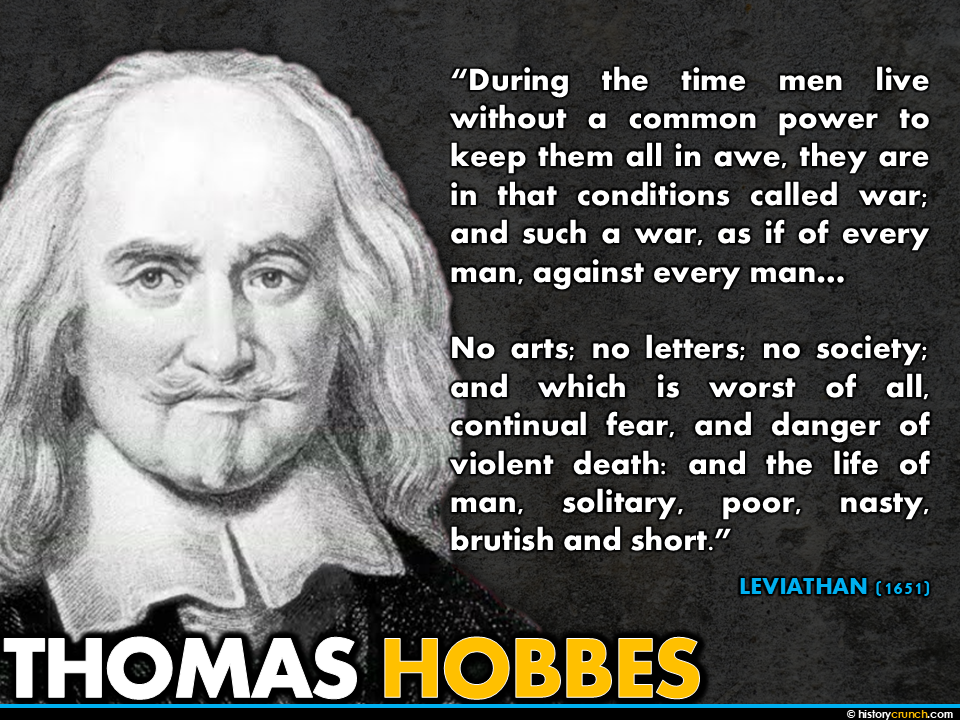
These two thinkers famously offered different views on the nature of government and human rights. Locke’s ideas about natural rights and government by consent became especially influential during the Enlightenment, and the centuries that followed. Whereas, Hobbes, who lived through the English Civil War, had a much more negative view and argued for a strong monarch to maintain the security of the nation. Regardless, their debate on the issues, set the Enlightenment in motion.
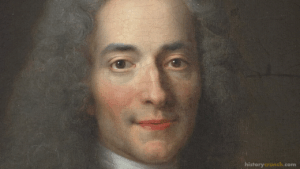
In the 1700s, France became the center of the Enlightenment. French philosophers, known as philosophes, gathered in salons and coffeehouses to exchange ideas. Thinkers such as Voltaire, Baron de Montesquieu, Jean-Jacques Rousseau, and Denis Diderot became leading voices of the French Enlightenment. Their writings criticized absolute monarchy, religious intolerance, and social inequality, while promoting freedom, equality, and justice. Furthermore, Diderot’s ‘Encyclopédie’ spread Enlightenment knowledge by compiling scientific, political, and philosophical articles for a wide audience.
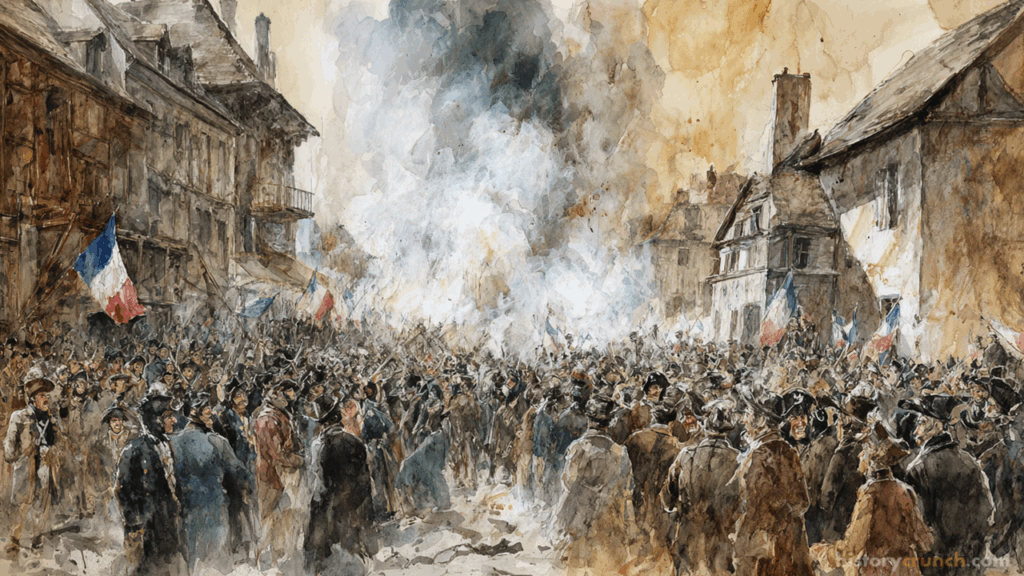
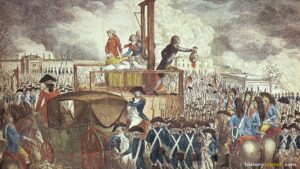
This period caused an explosion in the influence of the Enlightenment ideals, as they became more widely known among the citizens of France. In fact, historians consider the spread of Enlightenment ideas about human nature, the role of government and the role of authority as vital to the eventual outbreak of the French Revolution in 1789.
The Enlightenment spread throughout Europe, reaching Germany, Italy, Scotland, and beyond. In Scotland, thinkers like David Hume and Adam Smith contributed new ideas about philosophy and economics. Across Europe, rulers such as Frederick the Great of Prussia and Catherine the Great of Russia adopted some Enlightenment principles, a movement historians call enlightened absolutism.
By the late 1700s, Enlightenment ideas had crossed the Atlantic Ocean and influenced the emerging American colonies. For instance, leaders such as Thomas Jefferson, Benjamin Franklin, and James Madison used Enlightenment principles when drafting the Declaration of Independence and the United States Constitution.
AGE OF ENLIGHTENMENT – FAMOUS THINKERS
The ideas of the Enlightenment can best be seen in the work of several influential philosophers, including: Thomas Hobbes, John Locke, Baron de Montesquieu, Jean-Jacques Rousseau, and Voltaire. In simple terms, each offered a particular view on human nature and the role of the government in society in their important essays and other writings. In general, the Enlightenment promoted ideas that limited the role of government and favored individual liberty and human rights.
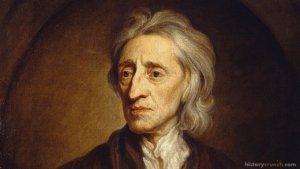
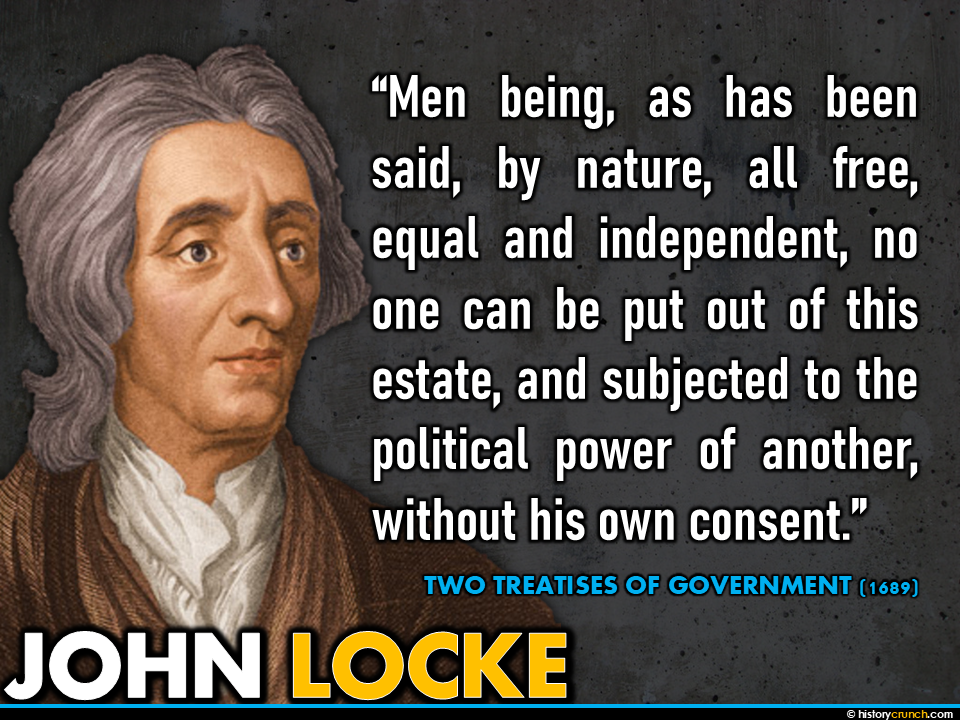
For instance, John Locke was a British philosopher who had a profound impact on modern political thought, liberalism, and the Age of Enlightenment. Known as the ‘Father of Liberalism’, Locke’s theories on natural rights, the social contract, government by consent impacted how people understood authority, especially in relation to the role of government. His work influenced Enlightenment thinkers across Europe and had a direct impact on revolutionary movements, including the American Revolution and the formation of modern democracies.
Baron de Montesquieu, commonly known as just ‘Montesquieu’, was one of the most influential political philosophers of the Age of Enlightenment. In fact, Montesquieu’s works helped lay the intellectual groundwork for several modern political concepts, such as: modern liberal democracy, the separation of powers and constitutional government. His most famous book, ‘The Spirit of the Laws’, which was published in 1748, became a profoundly influenced the development of political institutions in Europe and the Americas, including the United States Constitution.
Finally, Jean-Jacques Rousseau was one of the most significant thinkers of the 18th century and had a profound impact on the Age of Enlightenment. His writings covered several issues, such as: philosophy, education and literature. Historically, Rousseau’s ideas had a profound impact on the events of the French Revolution.
AGE OF ENLIGHTENMENT – SIGNIFICANCE
As stated above, the Age of Enlightenment is one of the most significant events in the history of the western world. In fact, the Age of Enlightenment is the story of how Europe (and later the world) moved from tradition and superstition toward reason, science, and individual rights. Beginning with the intellectual foundations of the Renaissance, the Scientific Revolution, and the Protestant Reformation, it grew into a powerful movement in the 1600s and 1700s.
Its ideas spread through books, salons, coffeehouses and revolutions, such as the French Revolution and American Revolution. The spread of Enlightenment ideals reshaped politics, religion, and culture across Europe and the world. As such, the Enlightenment remains one of the most important periods in world history because it laid the foundation for modern democracy, human rights, and modern scientific thinking.
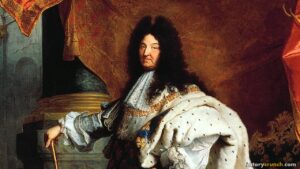
In fact, the events of the Age of Enlightenment had a profound impact on the role of government and authority in society. For instance, in the time period before and during the Enlightenment, Europe was dominated by the rule of absolute monarchs. More specifically, during the 17th century many European countries were ruled by absolute monarchs such as Louis XIV of France, who held almost unlimited power. While these rulers strengthened their nations, their control also showed the dangers of unchecked authority.
However, famous thinkers from the Enlightenment, often argued against absolute authority and government. Instead, they often advocated for a separation of powers to act as ‘check’ on the power of the authority. For example, John Locke argued that people have natural rights to life, liberty, and property. Furthermore, he argued that it was the role of government to protect these rights. Furthermore, Baron de Montesquieu suggested that governments should be divided into three branches (Executive, Legislative and Judicial) to prevent abuses of power by a single leader or authority figure. These ideas inspired major historical events such as the American Revolution in 1776 and the French Revolution in 1789.