The Battle of Tannenberg was one of the most significant battles of World War I and especially important to the Eastern Front. The Eastern Front was the line of fighting that occurred along the eastern border of Germany and the western border of Russia. The Battle of Tannenberg was one of the first main battles in World War I, as it took place during the summer of 1914, just after the start of the war. It was fought between Germany and Russia and had a considerable impact on Russia, since it is considered to be a massive defeat for the Russian Army.
WHAT LED TO THE BATTLE OF TANNENBERG IN WORLD WAR I?
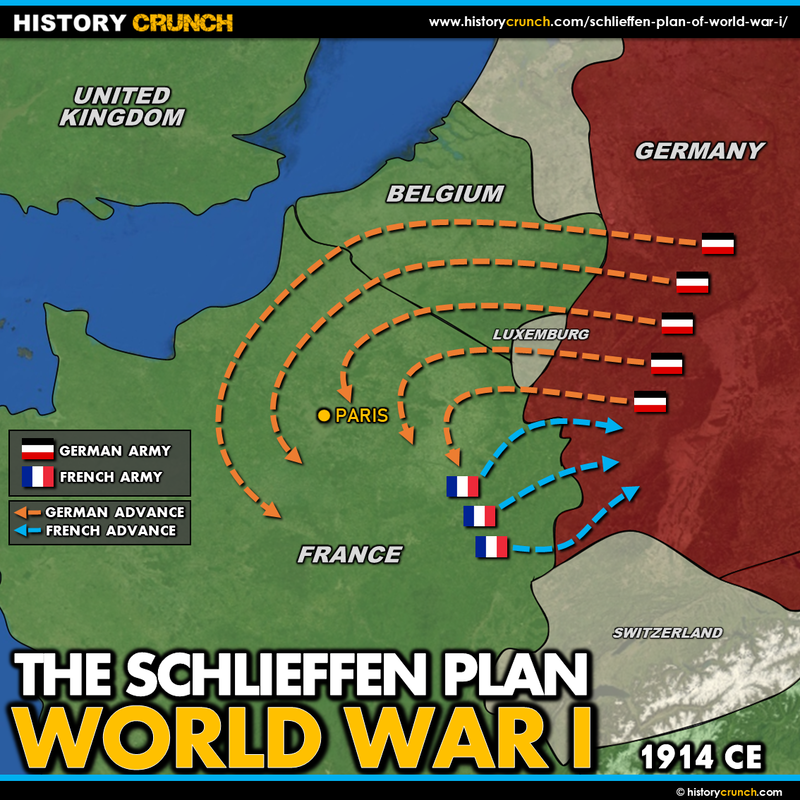
When World War I erupted in the summer of 1914, Germany and Russia were on opposing sides due to the system of alliance that existed in Europe at the time. For example, Germany was part of the Central Powers alongside Austria-Hungary, Bulgaria and the Ottoman Empire. Whereas, Russia was part of the Allied Powers alongside Britain and France. As such, an important aspect of the early time period of the war was the motivations and experiences of the nations involved. Likely the most significant of the time was the plan of attack carried out by Germany at the start of World War I, which was called the Schlieffen Plan. It is important to understand this event because it ties into the significance of the Battle of Tannenberg.

The Schlieffen Plan was the German plan of attack at the beginning of the war and was designed by and named after the former Germany Army Chief of Staff, Alfred von Schlieffen. He had been asked to design a plan of attack to help ensure German victory at the outbreak of war in Europe. Since Germany was facing both France and Russia in World War I, Germany would have to deal with a two-front war and the possibility of its total armed forces being split to fight on both its western and eastern borders. The Schlieffen Plan was Germany’s response to this problem and at its heart, the Schlieffen Plan was designed to prevent Germany from being forced to fight a two-front war. Essentially, the goal was for Germany to knock France out of the war as quickly as possible and then to refocus its attention onto Russia in the east.
The Schlieffen Plan was based on the idea that Russia would take much longer to mobilize and therefore not be ready for war until after the first two weeks. As a result, Germany sent almost all of its Army divisions to the Western Front and much less to the Eastern Front. While Germany was primarily concerned with the major battles of the Western Front, the first important battles of World War I that they participated in was the Battle of Tannenberg, which occurred on the Eastern Front. As such, the Battle of Tannenberg was a significant aspect of Germany’s overall plan of attack at the start of World War I.
WHAT HAPPENED DURING THE BATTLE OF TANNENBERG IN WORLD WAR I?
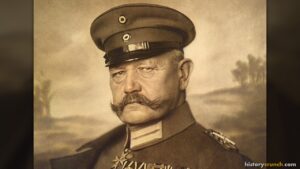
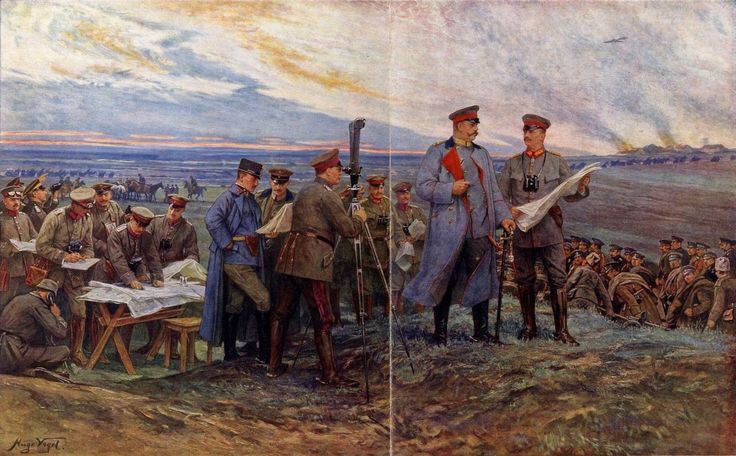
The Battle of Tannenberg took place from August 26th to August 30th in 1914 and was fought between Germany and Russia. The battle took place in East Prussia on the eastern half of the German Empire. In general, the Battle of Tannenberg was one of the most significant battles of World War I, and an important victory for the German Army. More specifically, the German Eighth Army, which was commanded by Paul von Hindenburg and Erich Ludendorff, was able to surprise attack and overwhelm the Russia forces that had attempted to invade East Prussia.
The Russian forces were divided into two armies – the First Army commanded by Paul von Rennenkampf and the Second Army, which was commanded by Alexander Samsonov. During the Russian attack into East Prussia, Rennenkampf’s army advanced northeast while Samsonov’s army advanced southwest. This was problematic, as the two were unable to communicate effectively. As such, the German command used this to its advantage and on the 26th of August the German Eighth Army began its surprise attack against Samsonov’s forces.
During the battle, Samsonov and the Russian Second Army were effectively surrounded and bombarded with German artillery fire. Although Samsonov tried to order a retreat, the German attack proved to be too much for the Russian forces and led to the Battle of Tannenberg being a major defeat for Russia. In fact, of Samsonov’s Second Army, 92,000 were captured, 78,000 were killed and only about 10,000 escaped. Furthermore, Samsonov killed himself after realizing that his army was destroyed. As well, Rennenkampf’s army failed to assist Samsonov’s due to a failure in communication, and were eventually forced out of East Prussia. The Russian failure at the Battle of Tannenberg was so devastating the Russian Army that it did not invade Germany again for the rest of World War I.
WHAT WAS THE OUTCOME OF THE BATTLE OF TANNENBERG IN WORLD WAR I?
As stated above, the primary focus of the German Army, at the start of World War I, was to quickly defeat France as part of the Schlieffen Plan. As such, while the Battle of Tannenberg was a major victory for Germany, its battles on the Western Front were much more strategically important to the overall German war effort. In the end, the Battle of Tannenberg led to massive casualties for both sides. For instance, historians estimate that Russia suffered between 120,000 and 170,000 total casualties, including between 30,000 and 78,000 deaths. In addition, it is estimated that Germany over 13,000 casualties and 1,300 deaths. As such, this highlights how the Battle of Tannenberg was a devastating defeat for the Russian Army.