American Civil War

Henry Clay

Henry Clay: A Detailed Biography

Henry Clay was a significant American statesman and played a key role in major legislative agreements, including the Missouri Compromise and the Compromise of 1850. This article details the life and significance of Henry Clay.

Slave Codes in the United States

Slave Codes in the United States: A Detailed Summary

Slave codes were laws enacted in the United States to control enslaved people by restricting their movement, education, and interactions. This article details the history and significance of the Salve Codes in the United States.

Bleeding Kansas

Bleeding Kansas: A Detailed Summary

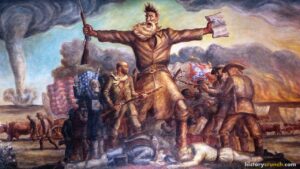
Bleeding Kansas was a period of violent conflict between pro-slavery and anti-slavery settlers in the Kansas Territory from 1854 to 1859. This article details the history and significance of Bleeding Kansas.

Robert E. Lee: A Detailed Biography

Robert E. Lee was the commanding general of the Confederate Army of Northern Virginia during the American Civil War, remembered as one of the most skilled military leaders of the war and the most famous symbol of the Confederate South. This article details the life and significance of Robert E. Lee.

Sherman’s March to the Sea: A Detailed Summary

Sherman’s March to the Sea was one of the most significant and destructive military campaigns of the American Civil War. From November 15th to December 21st, 1864, Union General William Sherman led approximately 62,000 soldiers on a 285-mile march from Atlanta, Georgia, to the coastal city of Savannah, destroying railroads, farms, and supplies along the way in an effort to break the Confederacy’s ability and will to continue fighting. This article details the history and significance of Sherman’s March to the Sea.

Ulysses S. Grant: A Detailed Biography

Ulysses S. Grant was the commanding general of the Union Army during the American Civil War and the 18th President of the United States, remembered for leading the North to victory and working to protect the rights of formerly enslaved people during Reconstruction. This article details the life and significance of Ulysses S. Grant.

Nat Turner’s Slave Rebellion

Nat Turner’s Slave Rebellion: A Detailed Summary

Nat Turner’s Slave Rebellion occurred in 1831 in Virginia and was one of the most significant slave uprisings in American history. This article details the history and significance of Nat Turner’s Slave Rebellion.

George McClellan: A Detailed Biography

George McClellan was a Union general during the American Civil War best remembered for building the Army of the Potomac and for being too cautious to use it effectively, leading President Lincoln to remove him from command twice. This article details the life and significance of George McClellan.

Reconstruction Amendments

Reconstruction Amendments: A Detailed Summary

The Reconstruction Amendments were added to the United States Constitution after the Civil War to establish and protect the rights of formerly enslaved people. This article details the history and significance of the Reconstruction Amendments.

Compromise of 1850

Compromise of 1850: A Detailed Summary

The Compromise of 1850 was a series of laws aimed at easing tensions between free and slave states following the Mexican-American War. It admitted California as a free state, strengthened the Fugitive Slave Act, and allowed new territories to decide on slavery through popular sovereignty. This article details the history and significance of the Compromise of 1850.