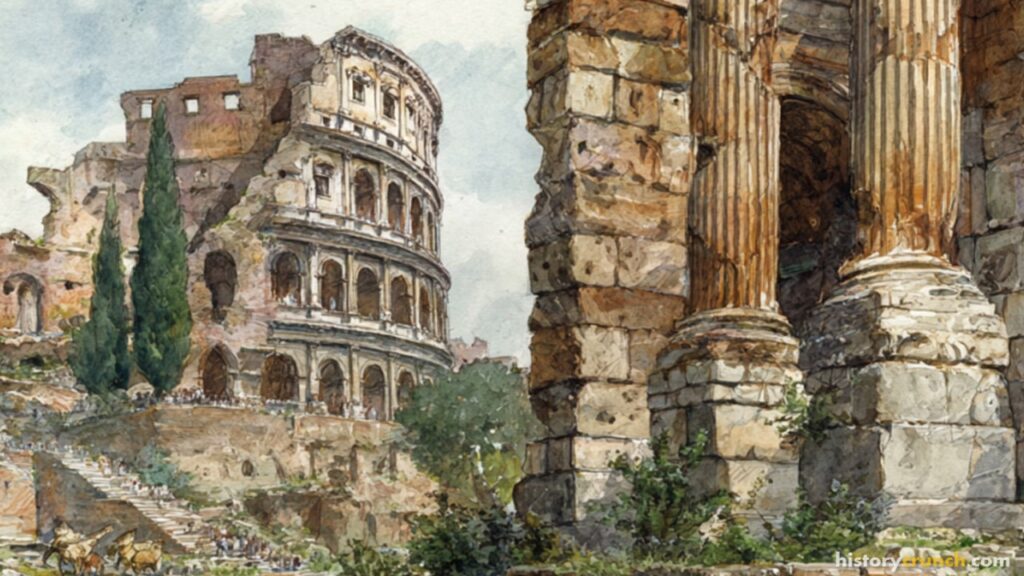
Christianity in the Roman Empire had a profound impact on the history of the Roman Empire and on the overall development of world history. In fact, Christianity grew to become the main religion of the Roman Empire.
CHRISTIANITY IN THE ROMAN EMPIRE – ORIGINS AND SPREAD
Christianity first emerged from Judaism in the Middle East in the mid-1st century. More specifically, it began in the Roman province of Judea, a region under imperial control but deeply rooted in Jewish tradition. It began in the century after the death of Jesus Christ of Nazareth, whom the religion is based around. With that said, Christ’s following caused anger among some people at the time and ultimately led to his death. The Romans, under pressure from local religious leaders, arrested him and crucified him around 30 CE.
Despite the death of Jesus, Christianity continued to spread throughout the world to many Jewish communities. This was helped in a significant way by a man named Paul the Apostle. He is credited with spreading the word of Christ during the 1st century and helped to establish several churches. He helped by sending letters to many governments at the time (within the Roman Empire) and preached to help convert people to Christianity. It is mainly due to Paul’s teachings that Christianity is as big as it is today. He is the main author of 13 of the New Testament’s 27 books. Paul’s missionary teachings had him walk almost 10,000 miles throughout the Roman Empire over the course of 30 years. He talked often in places like Ephesus, Philippi, Corinth and Athens. While these places prospered, and were wealthy, they were also home to many people that were poor and who suffered. The poor and destitute were the perfect audience for the teachings of Christian religion. This is mainly due to the more relaxed rules it had regarding the older, traditional Jewish laws. As well, Paul taught that it was necessary for followers of Christianity to themselves be messengers of the teachings of Jesus and spread the faith. This was an important factor in the early years of Christianity and remains significant still today. Paul also began teaching that Jesus would one day return for Judgement Day and that the only way to pass the judgment of God was to accept Jesus and his teachings. As such, the teachings of Christianity spread among many different groups of people and would later became the official religion of the Roman Empire.
CHRISTIANITY IN THE ROMAN EMPIRE – PERSECUTION
However, the early history of Christianity in the Roman Empire was one of persecution. For instance, Christian scriptures tell about the persecution of Christian followers by Jewish communities and Roman authorities. For example, Christian’s faced persecution in 46 CE when the Roman Emperor Nero blamed them for the Great Fire of Rome.
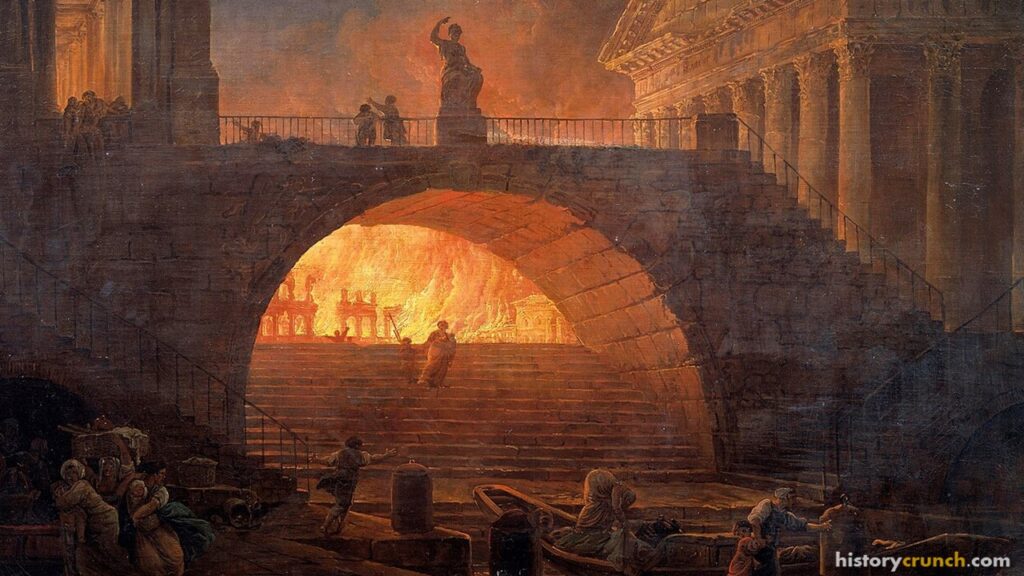
Hubert Robert. (1785)
CHRISTIANITY IN THE ROMAN EMPIRE – EDICT OF MILAN
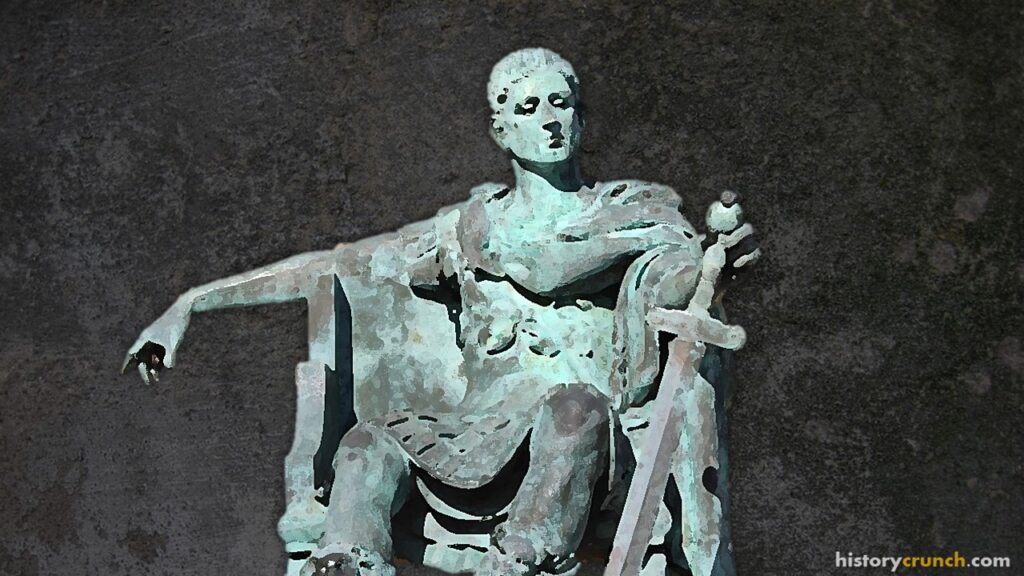
The persecution of Christian in the Roman Empire continued for a few more centuries until Roman Emperor Constantine I issued an edict of toleration in 313 CE. This was the Edict of Milan, and formally legalized Christianity in the Roman Empire. At the time, Christianity only made up about 5% of the total Roman population but it grew steadily with official protection from the government and became popular throughout the Roman Empire.
CHRISTIANITY IN THE ROMAN EMPIRE – COUNCIL OF NICAEA
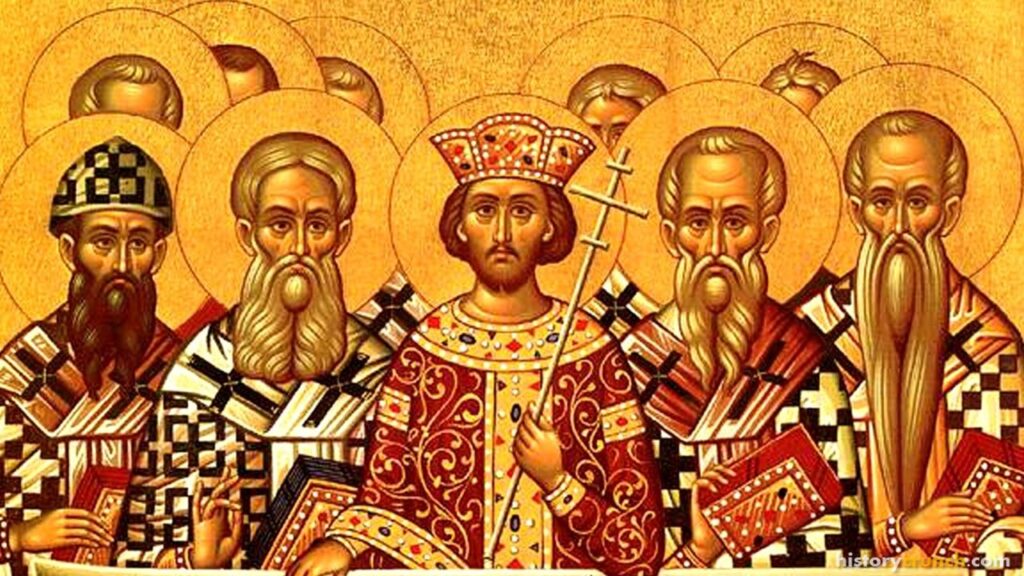
The next major event was the Council of Nicaea in 325 CE. The Council was called by Constantine I and led to the first agreed upon Christian doctrine. As a result, Christianity became the most popular religion in the Roman empire by the end of the 4th century. In fact, Christianity became the state church of the Roman Empire with the Edict of Thessalonica in 380 CE, when Emperor Theodosius I made it the Empire’s official religion.
CHRISTIANITY IN THE ROMAN EMPIRE – SIGNIFICANCE
The emergence of Christianity in the Roman Empire was a highly significant event. It not only changed the spiritual life of Rome but also reshaped its politics, culture and identity. For instance, Christianity replaced the old polytheistic religion with a monotheistic faith.
Culturally, Christianity influenced art, literature, law and architecture within the Roman Empire. In fact, Roman basilicas were converted into churches and Christian symbols such as the cross and the fish became widespread. The Church also preserved Roman education and philosophy, blending them with Christian teachings to shape the medieval and modern Western world.
Politically, Christianity became a unifying force across the empire. Even after the fall of the Western Roman Empire in 476 CE, the Christian Church continued to serve as a source of authority and stability, preserving Roman traditions and language. In fact, the Christian legacy of Rome endured through the Byzantine Empire and the Catholic Church, influencing Europe for centuries.