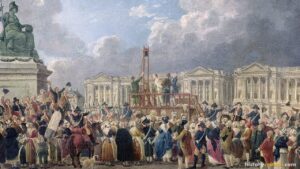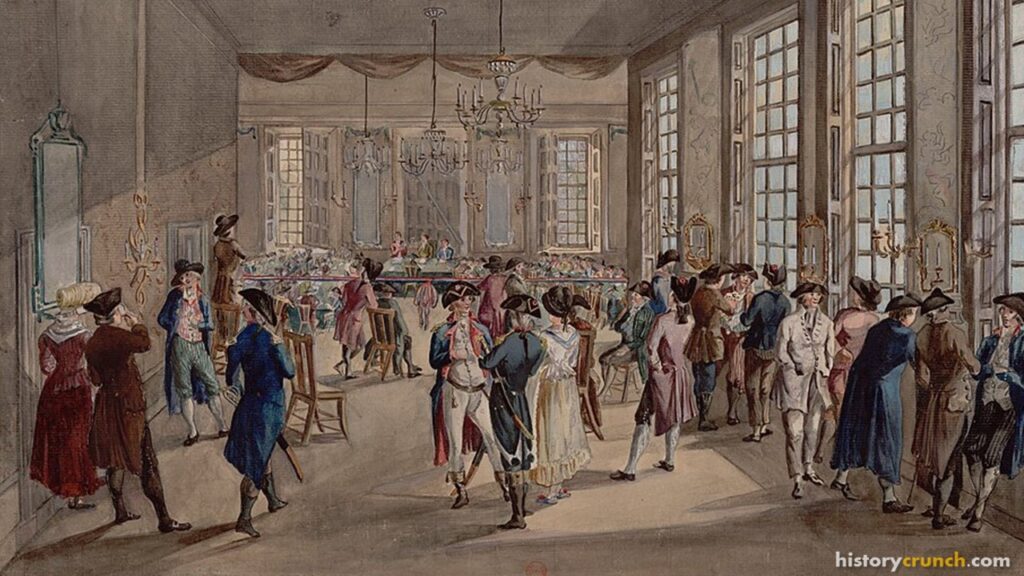
The Committee of Public Safety in the French Revolution was a powerful political body formed during the height of the revolution. More specifically, it was established to protect the newly formed republic from internal and external threats. Led by figures like Maximilien Robespierre, it held almost absolute power and oversaw some of the more violent aspects of the French Revolution. For instance, the Committee of Public Safety carried out the Reign of Terror, during which thousands were executed as enemies of the revolution.
COMMITTEE OF PUBLIC SAFETY – CREATION
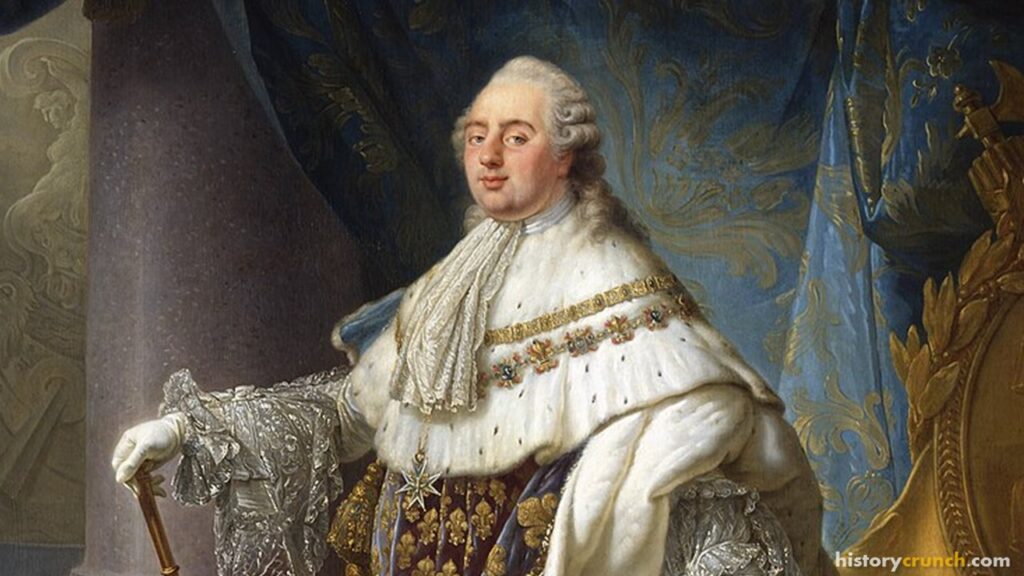
The Committee of Public Safety was a significant organization of the French Revolution that involved several key people and events. Formed in April of 1793, it was established by the National Convention, the revolutionary government of France at the time. In the months before its creation, French revolutionaries were facing intense pressure from foreign threats and invasion by surrounding nations loyal to Louis XVI. As a result, many members of the National Convention became increasingly paranoid from the perceived threat of external and internal challenges to the revolution. To combat these threats, the National Convention established the Committee of Public Safety, and provided it with sweeping powers.
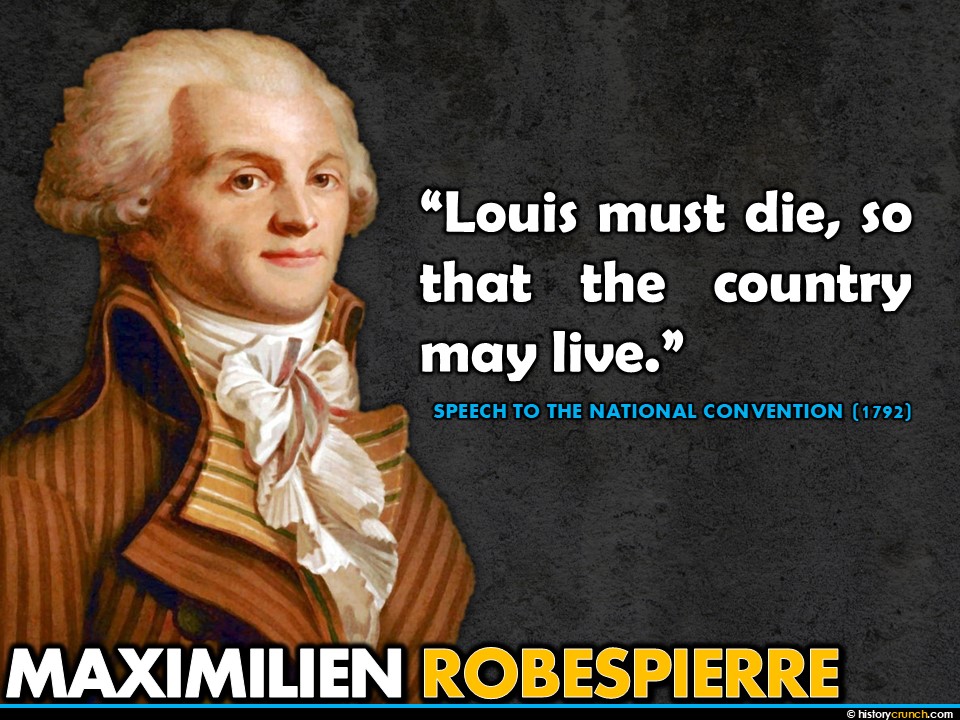
COMMITTEE OF PUBLIC SAFETY – MAXIMILIEN ROBESPIERRE
The Committee of Public Safety was led by Maximilien Robespierre, the leading revolutionary within France at that time. As the head of the Committee of Public Safety, which was the executive committee of the National Convention, he and the committee would become well known for carrying out the Reign of Terror. For many months throughout 1794, Robespierre battled against other revolutionaries in the National Convention by questioning each of their loyalties towards the revolution. For example, he accused many people of being domestic threats to the continuation of the revolution. It is during this time that many prominent revolutionaries within the National Convention were guillotined for their perceived betrayal to the revolution and Robespierre maneuvered his way to the head of the convention. For example, when Georges Danton, a leading revolutionary, called for an end to the Reign of Terror he was the next to face the guillotine. Finally, on June 4th, 1794, Robespierre was elected the president of the National Convention.
As well, the Committee of Public Safety prepared France to deal with foreign invasions by establishing new armies for the country. Men across France were drafted into these new forces as the Committee sought to stop neighbouring countries from stopping the progress of the revolution.
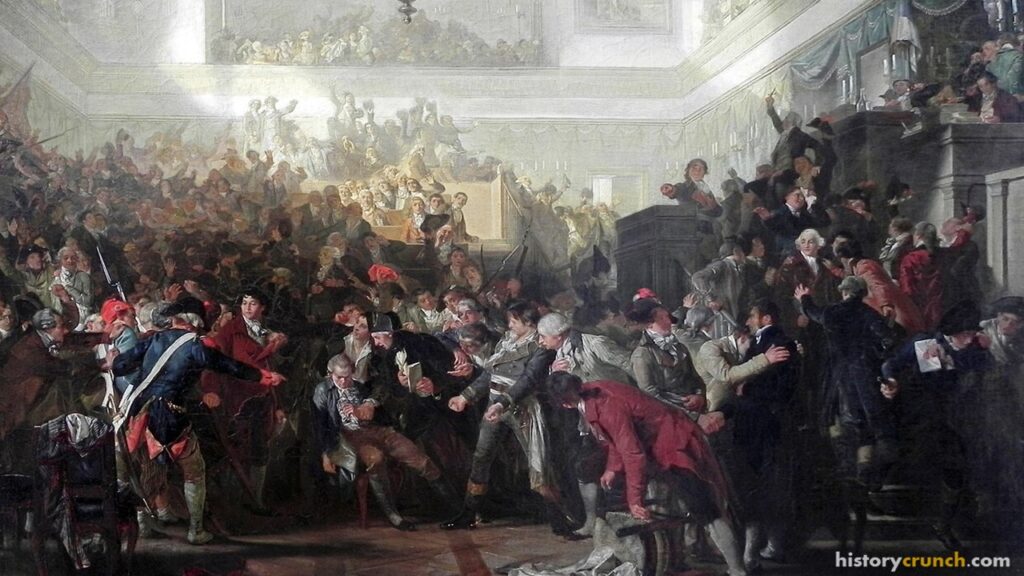
Based on his actions and threats the National Convention voted to arrest Robespierre. On July 28th, 1794, soldiers stormed into where he was staying. As the soldiers arrived, he attempted to commit suicide by gunshot to the head, but was instead only injured in the jaw, shattering it. For the rest of the day, Robespierre was held captive until he was guillotined without a trial that same afternoon. With his death, the fear and paranoia of the revolutionaries ended and the Reign of Terror was over. After the execution of Robespierre and the excess of the Reign of Terror, the National Convention was replaced by the Directory in 1795.
COMMITTEE OF PUBLIC SAFETY – SIGNIFICANCE
The Committee of Public Safety was significant because it centralized power during a critical period of the French Revolution. For instance, the creation of the committee helped to defend France and the French Revolution from foreign invasions and internal revolt. With that said, it played a key role in shaping revolutionary policies and enforcing radical changes through the Reign of Terror. As such, the Committee of Public Safety is significant as a historical reminder of the violence capable through government control. For example, although it maintained order for a short period of time, its extreme actions also led to violence, death and political revolt. For example, the events of the Reign of Terror, led to the end of the Committee of Public Safety and the eventual fall of its leaders.