Directory (French Revolution): A Detailed Summary

Directory
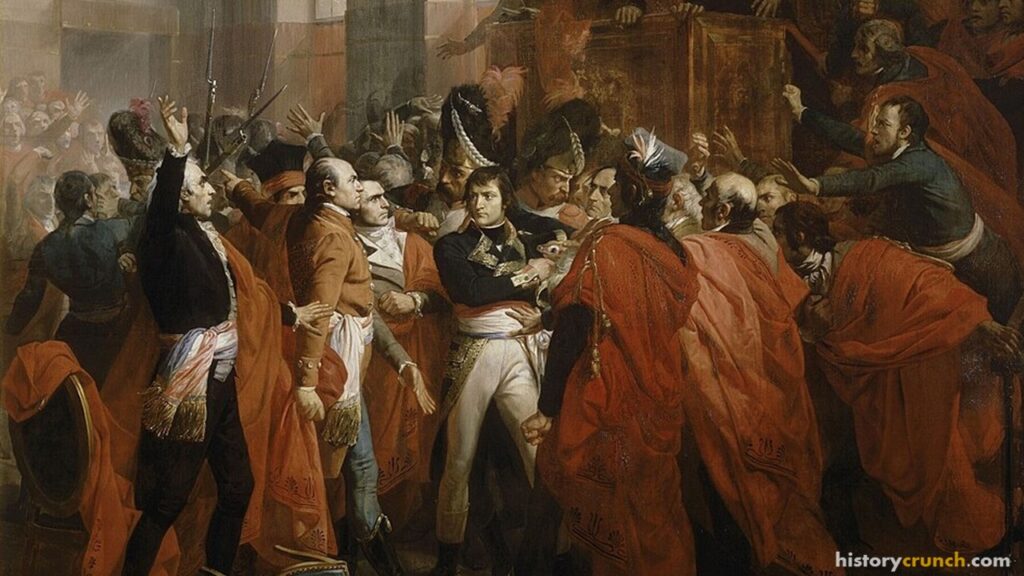
Napoleon Bonaparte confronts the members of the Council of Five Hundred in November of 1799. Painted by François Bouchot. (1799)
The Directory was controlled by five ‘directors’ who oversaw the economic and political aspects of French society during the later stages of the French Revolution. This article details the history and significance of the Directory.

Table of Contents

The Directory in the French Revolution was a five-member governing body that ruled France from 1795 to 1799, following the fall of the Committee of Public Safety. It aimed to bring stability after the chaos and violence of the events of the Reign of Terror. However, the Directory struggled with corruption, economic problems, and political unrest. The Directory’s weaknesses eventually led to its overthrow by Napoleon Bonaparte, which marked the end of the French Revolution.

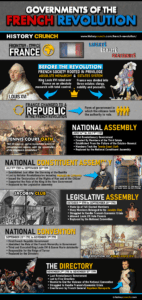
GOVERNMENTS OF THE FRENCH REVOLUTION

Beginning in 1789, the French Revolution saw the French people overthrow their absolute monarchy and bring about a republic that was based on the principles of equality, liberty and fraternity.  Throughout the years of the revolution, there were four different revolutionary governments, including: National Assembly, Legislative Assembly, National Convention and the Directory.
National Assembly
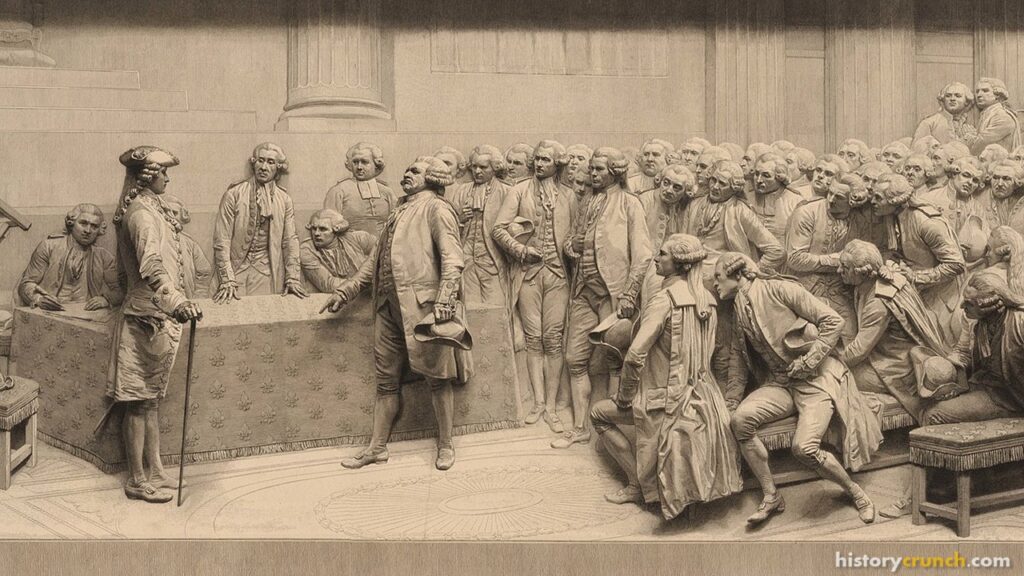
Etching engraved in 1889 by Alphonse Lamotte. The National Assembly was the first revolutionary government of the French Revolution and existed from June 14th to July 9th in 1789.

DIRECTORY (FRENCH REVOLUTION) – SUMMARY

The Directory formed in 1795 following the end of the National Convention and the excesses of the Reign of Terror and the Committee of Public Safety.  It lasted until November of 1799 when it was overthrown by Napoleon Bonaparte.  The Directory was controlled by five ‘directors’ who oversaw the economic and political aspects of French society.  In general, it was an important time in the French Revolution for several reasons.
Committee of Public Safety in the French Revolution
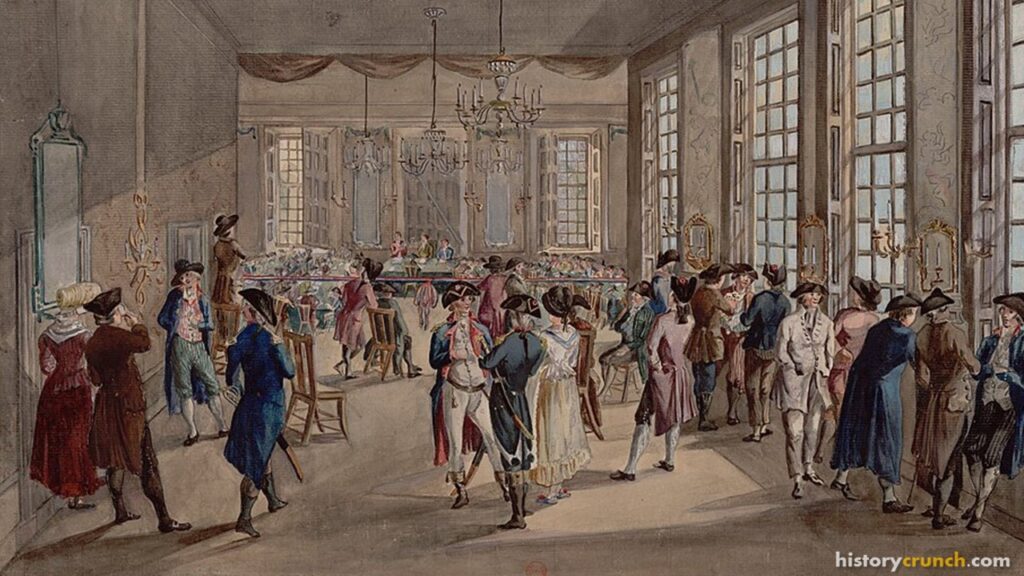
Committee of Public Safety in the French Revolution (Unknown Artist)

First, the economy of France was in a constant state of crisis during the four years of the Directory.  In 1795, France’s treasury was nearly empty and money had lost nearly all of its value.  The directors tried to respond but, in general, the country’s economy slowed and became stagnant.

Second, the Directory was responsible for ending the excesses of the Reign of Terror.  The Reign of Terror had been the most violent time of the French Revolution and saw tens of thousands of people killed by guillotine.  Many of these people were executed due to the fear and paranoia of the time because radical revolutionaries wanted to prevent any and all threats to the revolution.  The Directory stopped the mass executions of the Reign of Terror and took measures to relax some of the more radical views of the time.

Third, the Directory was overthrown by Napoleon Bonaparte following his return from a successful battle in Egypt.  Napoleon returned to France in November of 1799 to find that the Directory had lost the support of many in the country.  Along with others, Napoleon carried out a coup d’état against the Directory and replaced the government with the French Consulate, with himself as the First Consul.  The French Revolution was over.
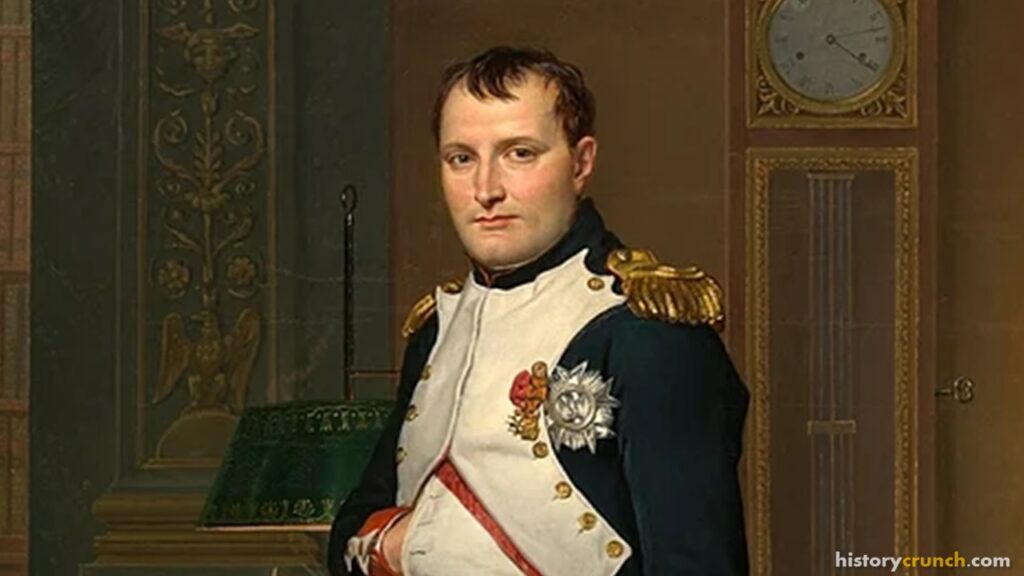
Napoleon Bonaparte
‘The Emperor Napoleon in His Study at the Tuileries’ by
Jacques-Louis David. (1812)
Facebook
X
Reddit
Pinterest
LinkedIn

We strive to produce educational content that is accurate, engaging and appropriate for all learners. If you notice any issues with our content, please contact us and let us know!

AUTHOR INFORMATION
Picture of Elias Beck

Elias Beck

I'm a passionate history and geography teacher with over 15 years of experience working with students in the middle and high school years. I have an Education Degree with a focus in World History. I have been writing articles for History Crunch since 2015 and love the challenge of creating historical content for young learners!

Absolutism in France: A Detailed Summary

Absolutism in France was the system of government in which French monarchs held total political power, reaching its height under Louis XIV. This article details the history and significance of absolutism in France.

Charlotte Corday: A Detailed Biography

Charlotte Corday was a prominent figure in the events of the French Revolution and was a key supporter of the Girondins. She became famous for assassinating Jean-Paul Marat in 1793. This article details the life and significance of Charlotte Corday, especially in relation to the French Revolution.

Jacobins: A Detailed Summary

The Jacobins were a radical political group in the French Revolution that became closely linked to the fall of the monarchy and the Reign of Terror. They played a major role in pushing the Revolution in a more extreme and violent direction during the years 1792 to 1794. This article details the history and significance of the Jacobins in the French Revolution.

Georges Danton
French Revolution

Georges Danton: A Detailed Biography

Georges Danton was significant because he became one of the most powerful speakers and political leaders of the French Revolution during its most dangerous years. This article details the life and significance of Georges Danton.

Jean-Paul Marat: A Detailed Biography

Jean-Paul Marat was significant because he became one of the most radical and influential voices of the French Revolution. This article details the life and significance of Jean-Paul Marat,

Napoleon Bonaparte
French Revolution

Napoleon Bonaparte: A Detailed Biography

Napoleon Bonaparte was a skilled military leader who rose to become Emperor of France. He is known for his vast European conquests and lasting reforms, including the Napoleonic Code. This article details the life and significance of Napoleon Bonaparte.