Legislative Assembly (French Revolution): A Detailed Summary

Legislative Assembly French Revolution
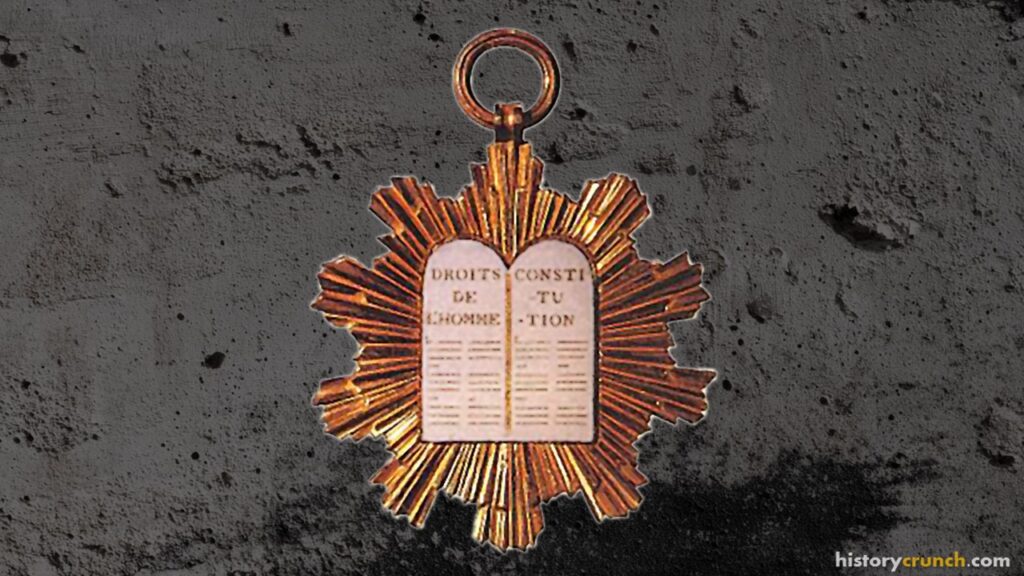
Legislative Assembly Medal of the French Revolution.
The Legislative Assembly was a governing body formed during the French Revolution. This article details the history and significance of the Legislative Assembly in the French Revolution.

Table of Contents

The Legislative Assembly of the French Revolution was formed in 1791 as part of France’s new constitutional monarchy, replacing the National Constituent Assembly. It had the power to create laws and declare war, but the king retained veto power, which limited the effectiveness of the Legislative Assembly. The Assembly was divided into political factions, including radicals, moderates, and conservatives, each with different visions for France’s future.

GOVERNMENTS OF THE FRENCH REVOLUTION

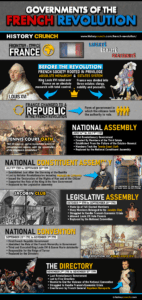
Beginning in 1789, the French Revolution saw the French people overthrow their absolute monarchy and bring about a republic that was based on the principles of equality, liberty and fraternity.  Throughout the years of the revolution, there were four different revolutionary governments, including: National Assembly, Legislative Assembly, National Convention and the Directory.
National Assembly
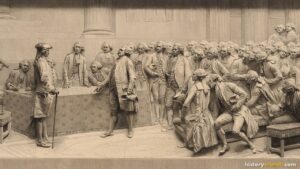
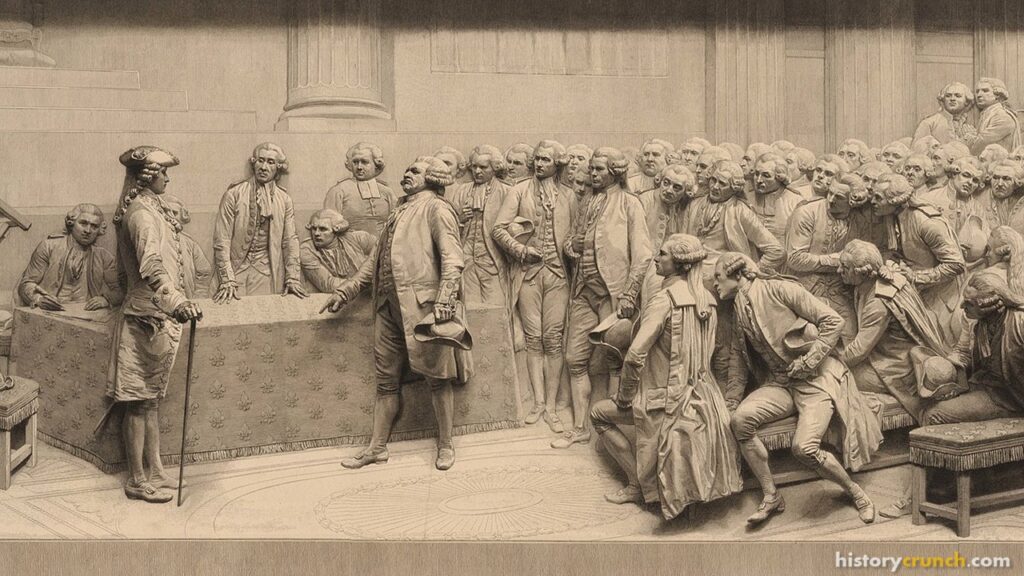
Etching engraved in 1889 by Alphonse Lamotte. The National Assembly was the first revolutionary government of the French Revolution and existed from June 14th to July 9th in 1789.

LEGISLATIVE ASSEMBLY (FRENCH REVOLUTION) – SUMMARY

The Legislative Assembly followed the National Assembly and lasted from October of 1791 until September of 1792.  The Legislative Assembly consisted of 745 members with most members coming from the middle class of French society.  The assembly was divided between members that were on the left and members that were on right but the Jacobin Club made up a considerable portion of the membership.  In general, the Legislative Assembly was plagued with problems from the beginning.

First, it still had to contend with the financial crisis facing France at the time.  One of the main causes of the French Revolution was the economic crisis that France slipped into under the rule of Louis XVI.  The National Assembly had failed to fully solve these issues and as such, the Legislative Assembly still faced the same economic uncertainty.

Second, The National Constituent Assembly had established France as a limited constitutional monarchy.  Essentially, this form of government allowed Louis XVI to remain the head of state of France, but limited his powers by the Constitution of 1791.  One of the remaining powers that Louis XVI still had was veto power.  This meant that he could veto and stop any proposed laws by the Legislative Assembly.  The king exercised his veto powers in a few instances during this time.  For example, he vetoed a proposed reform that clergy must take a civic oath or face a loss of their pension or possible exile.  The king’s use of his veto power angered the representatives of the Legislative Assembly and displayed the troubles facing the assembly.

In the short time that the Legislative Assembly existed, it struggled to pass reforms, faced the threat of war from other European nations and had to deal with lingering economic issues.  Therefore, the Legislative Assembly dissolved in September of 1792 and was replaced by the much more radical National Convention.  The French Revolution had entered into a dark and violent time period.
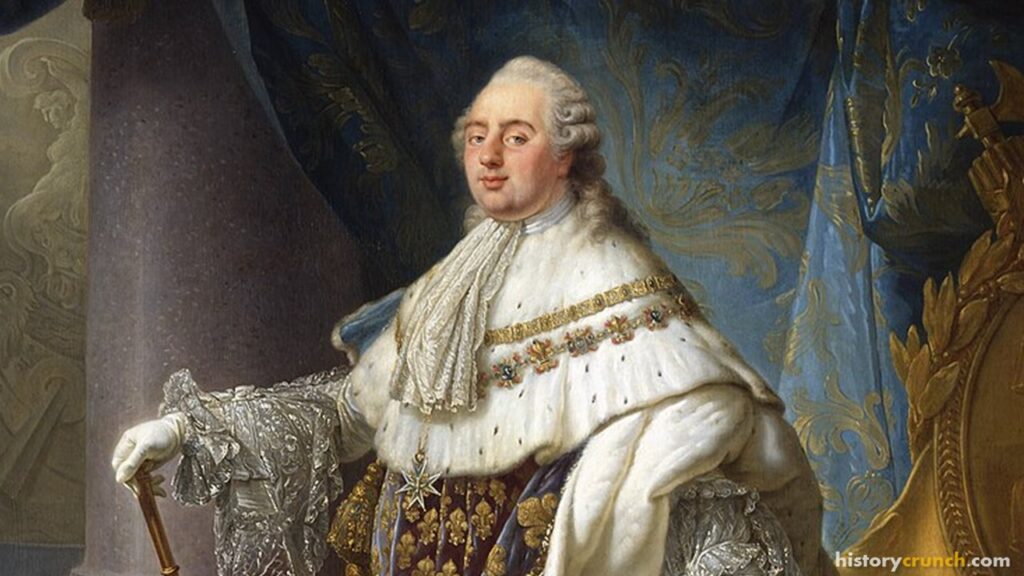
Louis XVI
‘Louis XVI, King of France and Navarre, wearing his grand royal costume in 1779’ by Antoine-François Callet. (1778)
Facebook
X
Reddit
Pinterest
LinkedIn

We strive to produce educational content that is accurate, engaging and appropriate for all learners. If you notice any issues with our content, please contact us and let us know!

AUTHOR INFORMATION
Picture of Elias Beck

Elias Beck

I'm a passionate history and geography teacher with over 15 years of experience working with students in the middle and high school years. I have an Education Degree with a focus in World History. I have been writing articles for History Crunch since 2015 and love the challenge of creating historical content for young learners!

Charlotte Corday: A Detailed Biography

Charlotte Corday was a prominent figure in the events of the French Revolution and was a key supporter of the Girondins. She became famous for assassinating Jean-Paul Marat in 1793. This article details the life and significance of Charlotte Corday, especially in relation to the French Revolution.

Directory
French Revolution

Directory (French Revolution): A Detailed Summary

The Directory was controlled by five ‘directors’ who oversaw the economic and political aspects of French society during the later stages of the French Revolution. This article details the history and significance of the Directory.

Execution of Louis XVI
French Revolution

Execution of Louis XVI: A Detailed Summary

The execution of Louis XVI was one of the most important events of the entire French Revolution. It symbolized the changing political order of France and the birth of the French republic. This article details the history and significance of the execution of King Louis XVI.

Great Terror of the French Revolution: A Detailed Summary

The Great Terror was the most violent phase of the Reign of Terror during the French Revolution. Taking place in the summer of 1794, it saw executions reach their highest levels as Maximilien Robespierre moved against anyone he believed was a threat to the revolution. This article details the history and significance of the Great Terror in the French Revolution.

Maximilien Robespierre Infographic
Infographics

Maximilien Robespierre: Infographic

This Maximilien Robespierre infographic was created by History Crunch to help students and teachers quickly understand the life, role and historical significance of one of the most powerful and controversial figures of the French Revolution. It covers his early life, his rise through the revolution, his leadership of the Reign of Terror and his execution in 1794. Designed for students in grades 5 to 12.

Maximilien Robespierre
French Revolution

Maximilien Robespierre: A Detailed Biography

Maximilien Robespierre was a central figure in the French Revolution and played a key role in several important moments, such as the Reign of Terror. This article details the life and significance of Maximilien Robespierre.