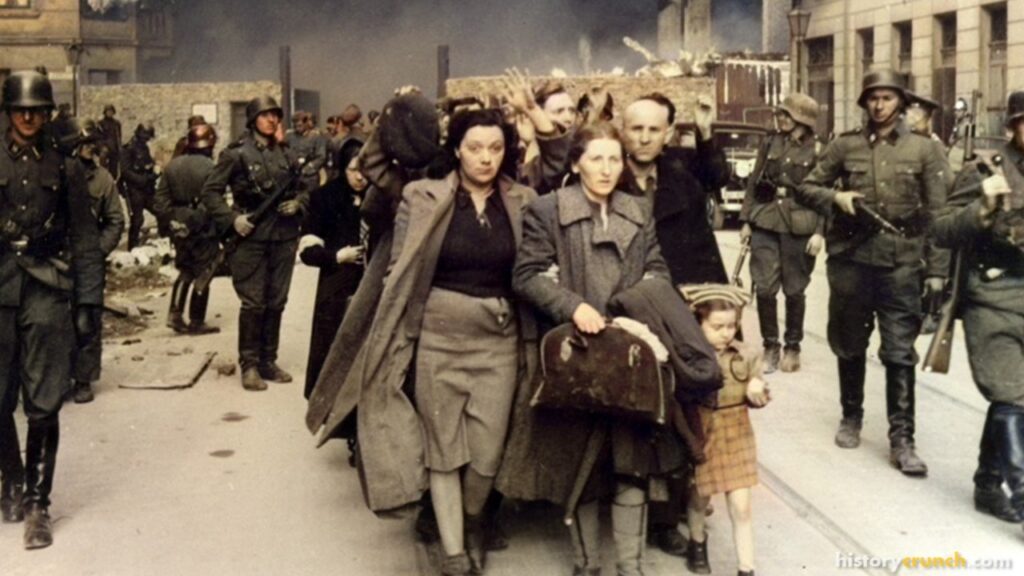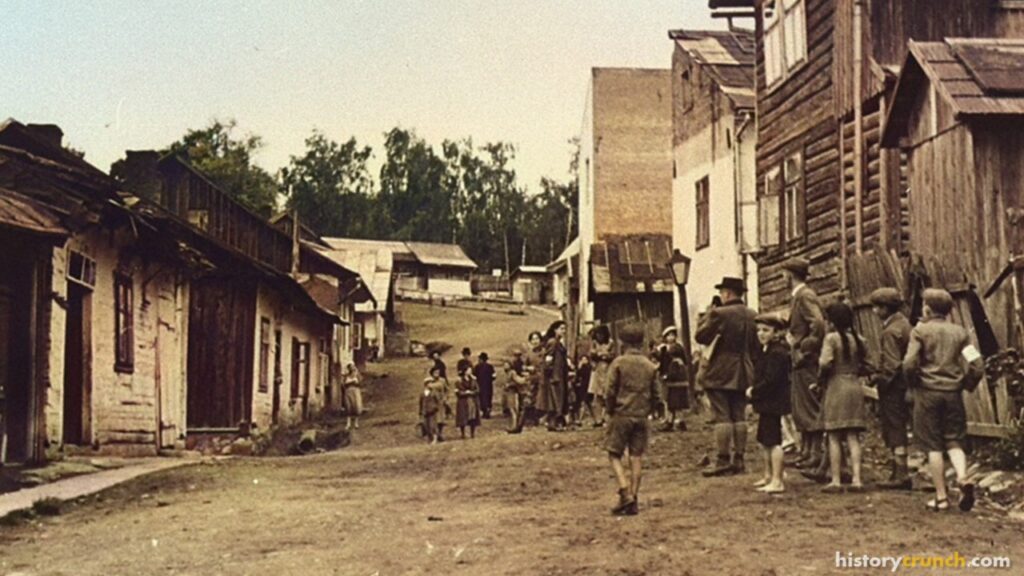
The ghettos of the Holocaust were established by Nazi Germany established ghettos as a means to isolate, control, and oppress Jewish communities across occupied Europe, particularly in Poland, Lithuania, and Eastern Europe. These ghettos were walled-off sections of cities or towns where Jews were forcibly confined, separated from the rest of the population under brutal conditions. The ghettos served as transitional zones where Jews were held before eventual deportation to concentration and extermination camps.
WHAT WAS THE HOLOCAUST?
The Holocaust is one of the most important events of the 20th century and is perhaps the most significant genocide in human history. A genocide is a mass killing of a group of people for ethnic, religious or racial reasons. The term ‘holocaust’ refers to death by fire in reference to the way that people were executed during the event. It unfolded during the reign of Adolf Hitler in Germany and the major events of World War II. During the Holocaust, which occurred from 1933 to 1945, over 11 million people were executed. In total, 6 million were Jewish people, while the other 5 million included several other groups, including: disabled people, homosexuals, communists, Soviet and Polish prisoners of war, gypsies, and other religious and ethnic minorities.
GHETTOS OF THE HOLOCAUST – BACKGROUND
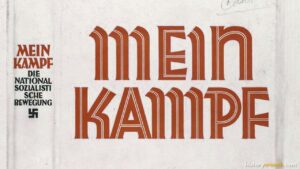
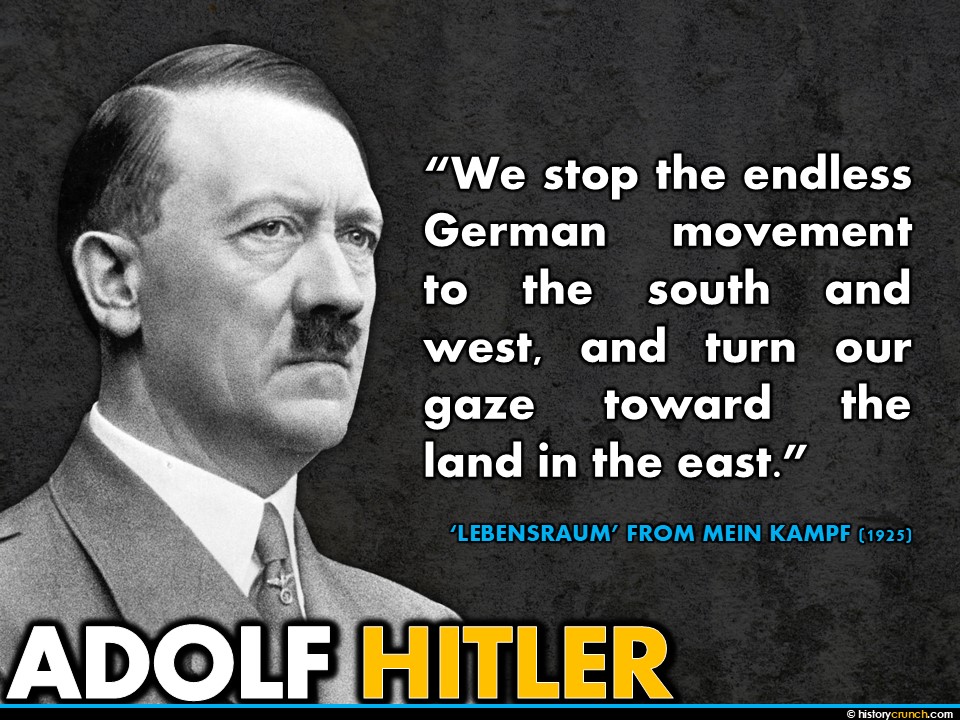
A main event of the Holocaust was the creation of the ghettos in Poland following the start of World War II. World War II began on September 1st, 1939, with the Nazi invasion of Poland. This was an important event, because Poland served an important purpose for Germany and the Holocaust. First, Adolf Hitler viewed Poland (and the Soviet Union) as ‘lebensraum’, or living space, for German families. Hitler believed that Germany needed more living space in order to harvest more food to allow the German population to increase at a faster rate. In his book, Mein Kampf, he stated his desire to use land to the east of Germany to fulfil this purpose. Second, it was in Poland that the Nazis established ghettos for the Jewish (and others). For example, Polish cities such as Warsaw were used to contain captured Jewish populations. Third, Poland became the site of many of the Nazi death camps that carried out the deaths of millions during the Holocaust.
GHETTOS OF THE HOLOCAUST – SUMMARY
As the German army captured territory (and people) across Europe they deported millions of Jewish people to the ghettos. Ghettos were city districts in which the Jewish were forced to live, and which were used to isolate them from the rest of the European populations. The ghettos were surrounded by walls or fences to prevent Jewish and non-Jewish people from interacting and to forcibly contain the Jewish. In total there were over 800 ghettos established across Nazi controlled Europe during the time period.
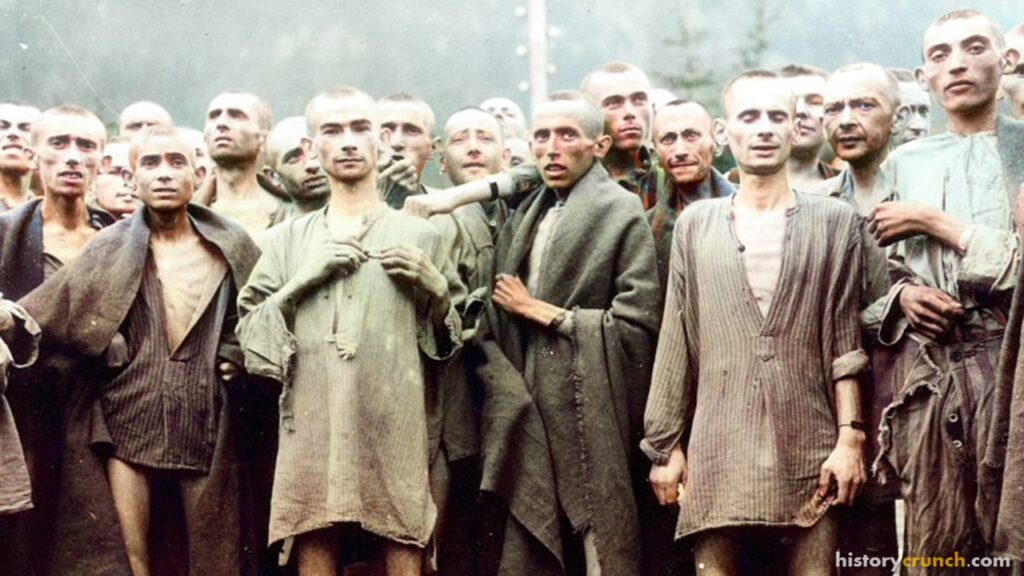
The conditions of the ghettos were miserable. Jewish families, who were forced to live in them, faced: overcrowding, starvation, lack of medical supplies, lack of proper sanitation and running water, lack of proper clothing to deal with extreme cold, spread of infectious diseases and forced to labor for the Nazis. A black market emerged in many ghettos as Jewish people used many of their remaining possessions to gain more food or clothing for themselves. Sometimes, very young children would escape through the ghetto wall in order to trade or scavenge for goods that they could take back to their families.
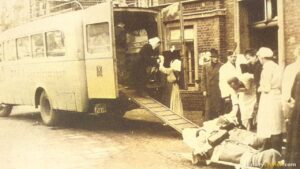
While there were some resistance movements in the ghettos (Warsaw Ghetto Uprising), once the Jewish were contained there they lacked the ability to fight back and prevent the eventual devastation of the Holocaust. From the ghettos, the Jewish were removed and transported aboard trains to the concentration and death camps. As well, at the same time as the construction on the ghettos, the Nazis also carried out mass deaths at the hand of the einsatzgruppen.