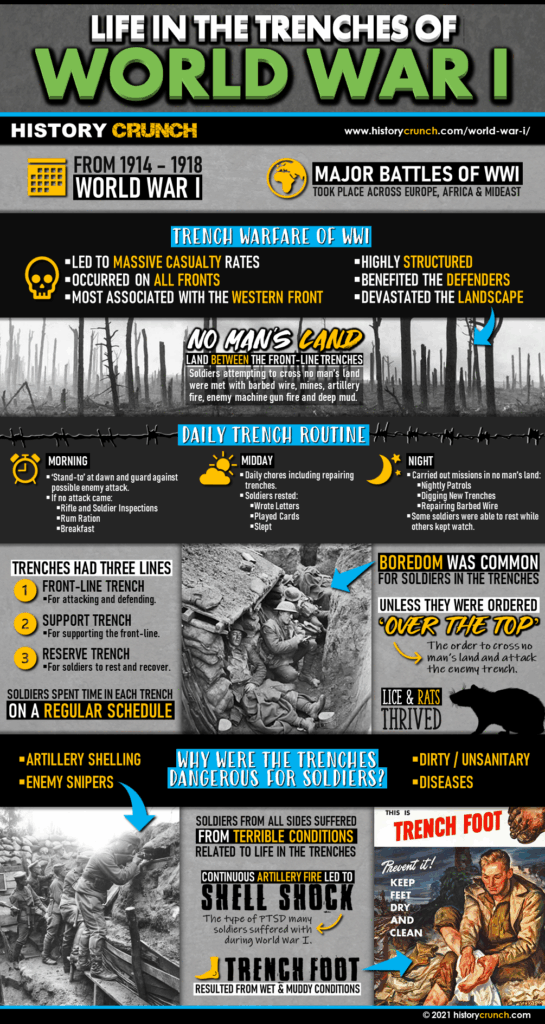
Trench warfare was the defining feature of World War I, particularly on the Western Front. After the failure of the German Schlieffen Plan in 1914, both sides dug into the ground and created extensive systems of trenches facing each other across a narrow strip of contested territory. For the millions of soldiers who lived and fought in these trenches, daily life was a brutal combination of boredom, filth, constant danger and psychological torment. This infographic was designed for students to visually summarize the experience of life in the trenches of World War I and is based on the History Crunch article titled Life in the Trenches of World War I.
Life in the Trenches of World War I – Infographic
About This Infographic
This Life in the Trenches of World War I infographic was created by the History Crunch team to help students and teachers quickly understand the daily reality of trench warfare for the soldiers of the First World War. It is designed as a visual learning and study tool, summarizing the essential information covered in our full article on Life in the Trenches of World War I. Teachers may use it as a classroom display, a discussion prompt, or a study aid for students preparing for assessments.
What This Infographic Covers
The infographic begins with the structure of the trench system. The Western Front trenches were organized in three parallel lines. The frontline trench was the most exposed position, where soldiers were directly facing the enemy and were sometimes ordered over the top to advance across No Man’s Land. Behind it was the support trench, which served as a fallback position if the frontline was overrun. Further back still was the reserve trench, used as a place for soldiers to rest and recover. Soldiers regularly rotated between the three lines. The trenches were connected by a system of communication trenches running perpendicular to the front, allowing movement and the delivery of supplies and reinforcements.
The infographic covers the daily routine of soldiers in the frontline trenches. Each morning began with stand-to, when soldiers prepared themselves for a possible enemy attack at dawn. If no attack came and no assault was ordered, the soldiers proceeded with their day. Officers conducted rifle and personal inspections to ensure soldiers were maintaining their equipment despite the difficult conditions. Soldiers were issued a daily food ration, typically a meat ration alongside bread or crackers, and an alcohol ration. British soldiers received rum while French soldiers received wine. As the war progressed, food supplies were sometimes reduced. During the day, soldiers were required to carry out maintenance chores including digging, filling sandbags, repairing duckboards and maintaining the parapet. When chores were finished, soldiers rested, wrote letters, played cards or slept. A constant experience during downtime was boredom, combined with the need to keep heads below the parapet to avoid sniper fire. At night soldiers ventured into No Man’s Land under cover of darkness to repair barbed wire defenses and carry out patrols to spy on enemy movements.
The infographic covers the terrifying nature of No Man’s Land, the strip of ground between the two frontline trenches. Artillery bombardments had destroyed all vegetation, trees and surface features, leaving a churned wasteland of mud, craters and debris. Rain turned this landscape into thick mud that could be knee-deep or deeper, and soldiers attempting to cross it faced not only enemy machine gun fire and artillery but the real risk of becoming stuck in the mud and drowning. The land between the trenches was also strewn with barbed wire, unexploded shells and the bodies of those who had fallen in previous attacks.
The infographic covers the appalling conditions inside the trenches themselves. The Western Front ran through Belgium and northern France, where heavy rain was common. Trenches regularly filled with rainwater, leaving soldiers standing in cold, filthy water for days or weeks at a time. Trench foot was a serious medical condition that resulted from soldiers having wet feet for extended periods, causing the skin to break down and become infected. In serious cases soldiers lost toes or entire feet. The trenches were also infested with rats in large numbers, attracted by human waste, garbage and the bodies of soldiers who could not always be removed. Soldiers also suffered from lice. The combination of mud, human waste and death created an overwhelming smell that soldiers described as impossible to forget.
The infographic covers the dangers soldiers faced beyond the general conditions. Sniper fire was a constant threat during daylight hours and kept soldiers pinned below the parapet. Poison gas attacks, first used by Germany at the Second Battle of Ypres in 1915, were particularly feared because the heavy gas settled into the trenches and caused horrific injuries including blindness, blistering and suffocation. Artillery shells posed a constant danger and offered no warning before impact. The continuous exposure to artillery fire and the ever-present threat of death led to a psychological condition soldiers called shell shock, now understood as post-traumatic stress disorder. Symptoms included fatigue, tremors, confusion, nightmares and impaired sight and hearing. Medical understanding of the condition was poor at the time and many soldiers were not given adequate care or were accused of cowardice.
How to Use This Infographic in the Classroom
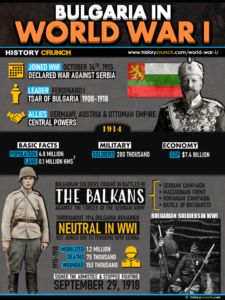
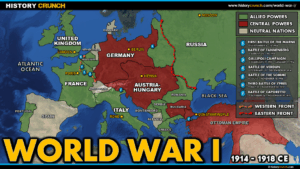
This infographic works well as a visual introduction to life in the trenches before students read the full article. It can also be used as a discussion prompt asking students to consider which aspect of trench life they think would have been most difficult to endure, or to examine primary source accounts such as the poetry of Wilfred Owen alongside the factual overview the infographic provides. Teachers may also use it alongside the Western Front map and the individual country infographics to help students connect the experience of individual soldiers with the broader strategic context of the war.
Related Articles
To learn more about the topics covered in this infographic, visit the following History Crunch articles: