The Stock Market Crash of 1929 was the event that set the Great Depression in motion. As such, historians consider it to be one of the main causes of the Great Depression and a key factor in the economic hardships of the 1930s.
ROARING TWENTIES
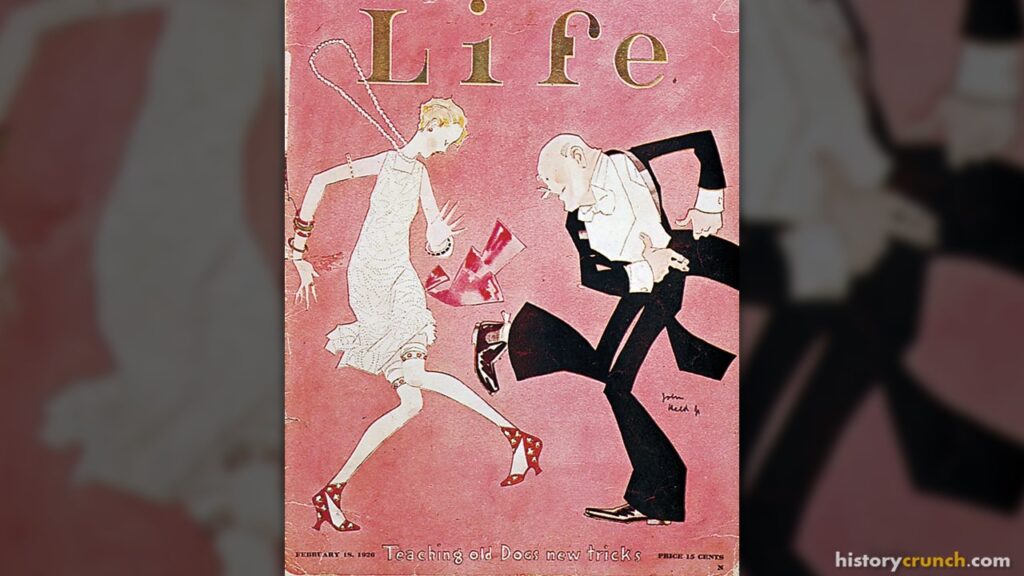
The decade before the start of the Great Depression is often referred to as the ‘Roaring Twenties’ symbolizing the economic prosperity of the time. In general, people were making large sums of money in the stock market by purchasing shares in companies. When you own a stock you own a part of that particular company, although usually a very small percentage. If the company is successful and grows its wealth then the value of the stock will increase, while if the company struggles, the value of the stock will fall. In the 1920s many people were buying stocks with the hope of them increasing forever, so they could sell their shares and make a profit. All of the economic optimism of the 1920s ended in 1929 with the collapse of the stock market.
WHAT CAUSED THE STOCK MARKET CRASH OF 1929?
In general, most historians identify the stock market crash in October of 1929 as the start of the Great Depression in the United States; however the market began to experience difficulty at an earlier stage. For example a small crash on the New York Stock Exchange occurred on March 25th of 1929, and was only slowed when National City Bank announced that it would make $25 million of credit available. However, the event showed the weakness of the stock market at the time and foreshadowed the later crisis. Following the incident in March, the stock market continued to gain until September of that year. Then on September 20th, the London Stock Exchange crashed amid a controversy related to top investors in England related to fraud. The London crash weakened the optimism of the stock market in the United States and led to a high degree of volatility in the market which set the stage for the events of late October.
MAIN EVENTS OF THE STOCK MARKET CRASH OF 1929
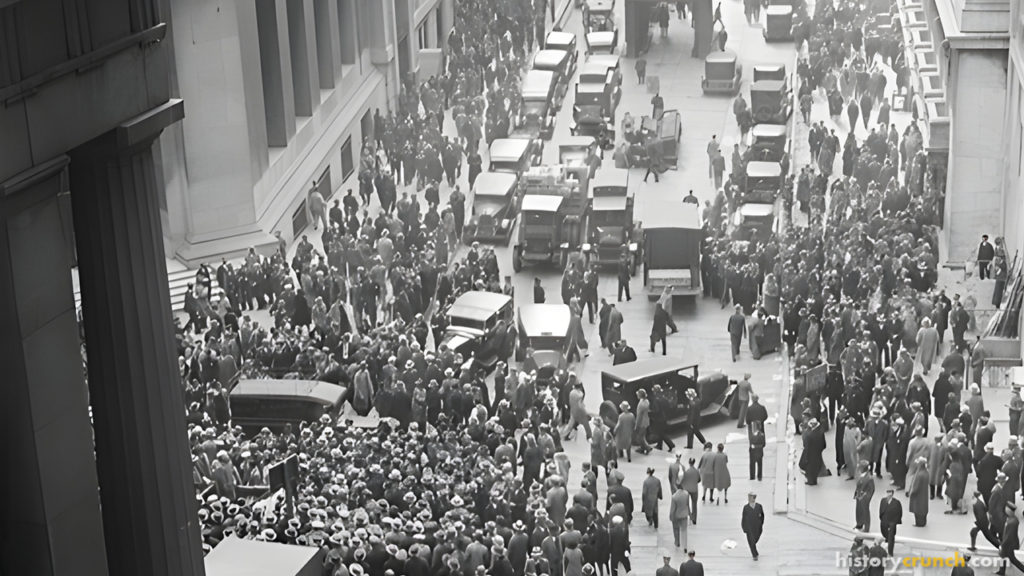
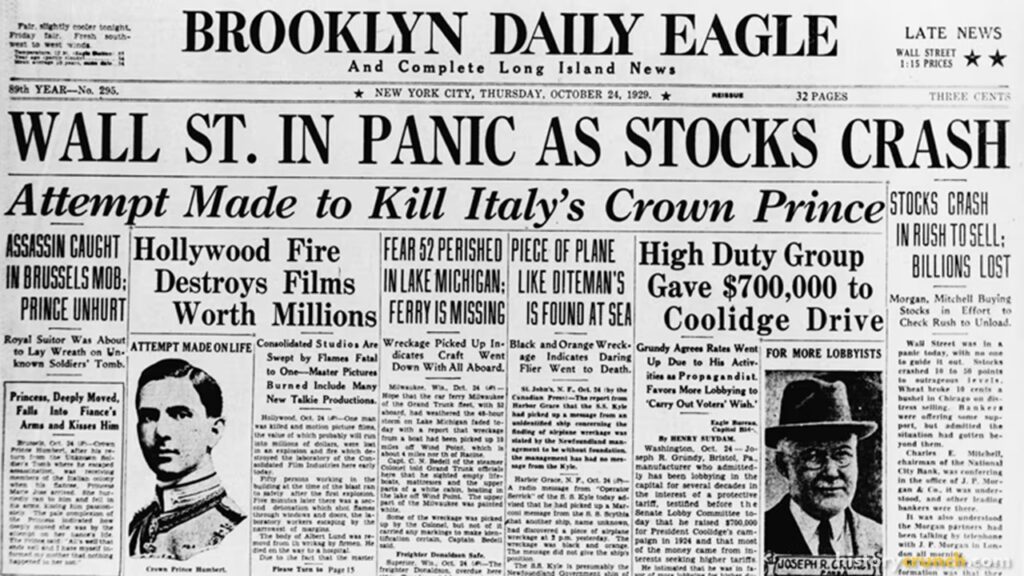
Beginning on October 24th, also known as ‘Black Thursday’, the New York Stock Exchange began to experience volatility and heavy trading which resulted in a large drop of the overall value of the market. Over the next several days, prominent American bankers attempted to slow the drop in the market, but all of their attempts only supplied temporary relief. Finally, on October 29th, also known as ‘Black Tuesday’, the market took another significant drop and the panic of the stock market crash reached its peak. In total, the market had lost over $30 billion with nearly $14 billion being lost on October 29th, alone. The crash saw the market lose over one third of its total value and led to several other major economic issues that furthered the recession, including: loss of consumer spending, increase in overall unemployment, and bank runs and closures. The Great Depression in the United States had begun.