There were several important thinkers of the Age of Enlightenment. More specifically, thinkers such as John Locke, Baron de Montesquieu, Jean-Jacques Rousseau and Voltaire offered new and revolutionary ideas on authority, the role of government and social structures. As such, these thinkers developed new ideas that inspired the societies of Europe and later the world to question tradition and consider new ways of living.
WHAT WAS THE AGE OF ENLIGHTENMENT?
The Age of Enlightenment is one of the most significant events in the history of Western civilization. The Age of Enlightenment, also known as just the ‘Enlightenment’ or the ‘Age of Reason’, occurred during the 18th century and is known as a time period of great change and new ideas. Specifically, the Enlightenment involved an intellectual movement, in which famous thinkers and philosophers challenged some of the basic foundations of society, including: role of the government, basic human nature, sources of authority and ideas centered on liberty. Some of the most prominent of these thinkers, included: Thomas Hobbes, John Locke, Jean-Jacques Rousseau and Voltaire.
Ultimately, the Enlightenment transformed the way people thought about government, religion, science, and human rights. But what caused this dramatic shift in ideas? The Enlightenment did not appear suddenly—it was the result of several important historical developments that encouraged people to focus on reason, evidence, and critical thinking instead of tradition.

THINKERS OF THE AGE OF ENLIGHTENMENT
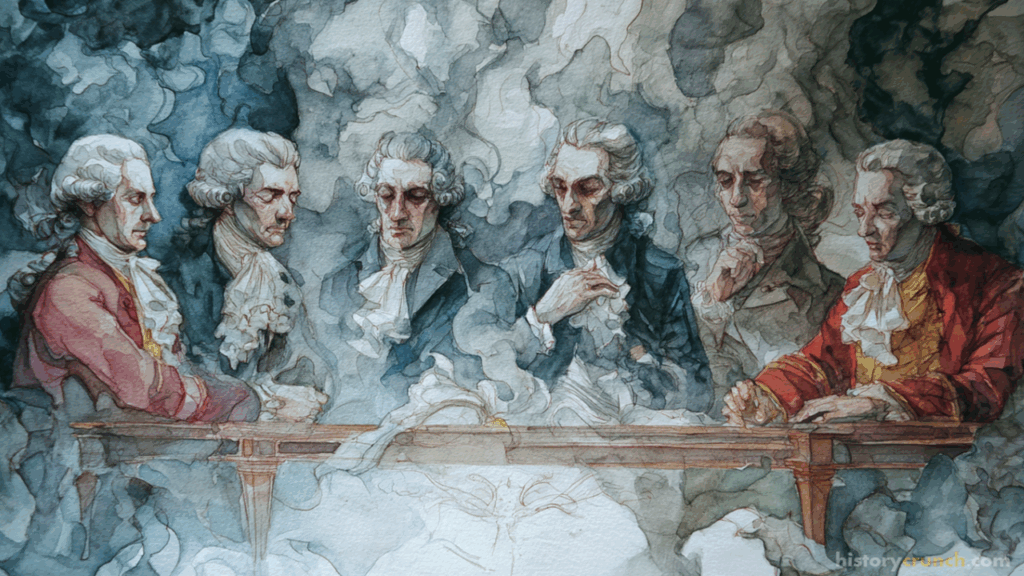
The ideas of the Enlightenment can best be seen in the work of several influential philosophers, including: Thomas Hobbes, John Locke, Baron de Montesquieu, Jean-Jacques Rousseau, and Voltaire. In simple terms, each offered a particular view on human nature and the role of the government in society in their important essays and other writings. In general, the Enlightenment promoted ideas that limited the role of government and favored individual liberty and human rights.
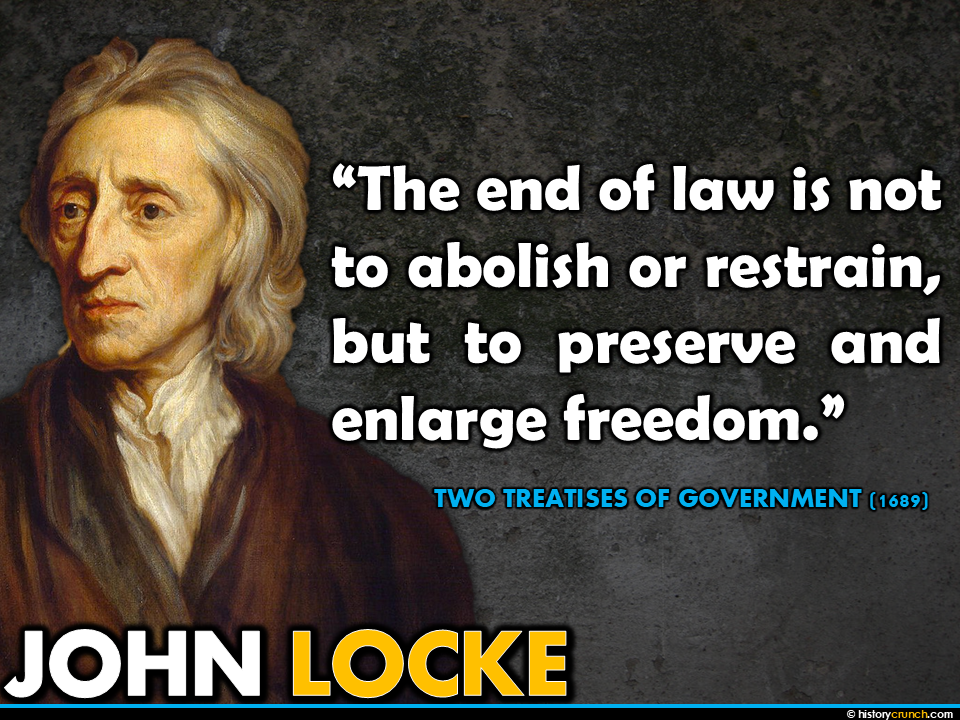
For instance, John Locke was a British philosopher who had a profound impact on modern political thought, liberalism, and the Age of Enlightenment. Known as the ‘Father of Liberalism’, Locke’s theories on natural rights, the social contract, government by consent impacted how people understood authority, especially in relation to the role of government. His work influenced Enlightenment thinkers across Europe and had a direct impact on revolutionary movements, including the American Revolution and the formation of modern democracies.
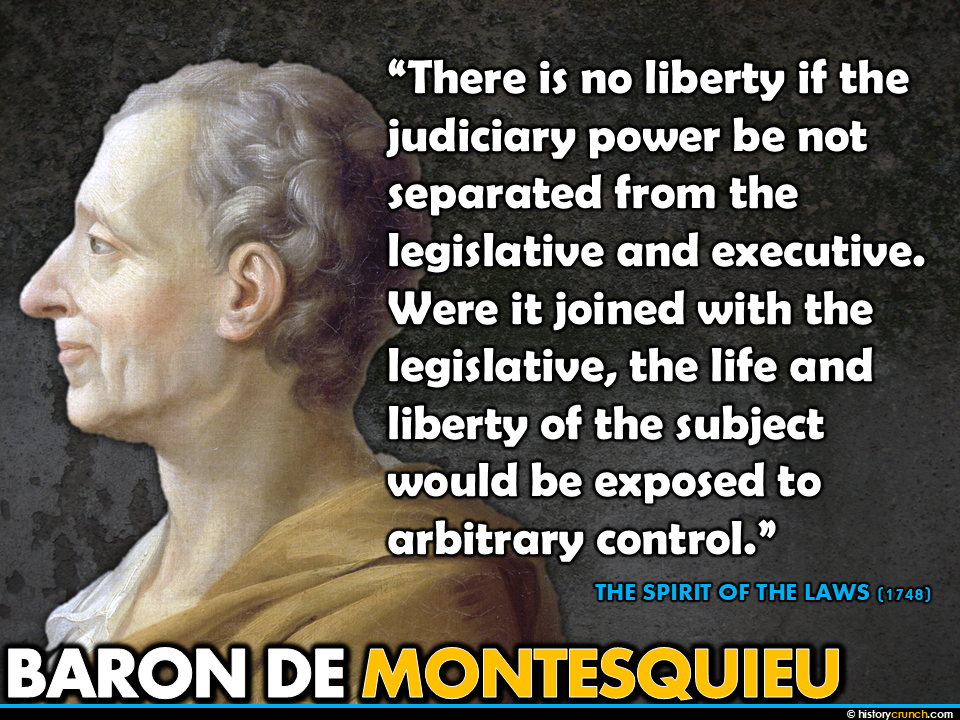
Baron de Montesquieu, commonly known as just ‘Montesquieu’, was one of the most influential political philosophers of the Age of Enlightenment. In fact, Montesquieu’s works helped lay the intellectual groundwork for several modern political concepts, such as: modern liberal democracy, the separation of powers and constitutional government. His most famous book, ‘The Spirit of the Laws’, which was published in 1748, became a profoundly influenced the development of political institutions in Europe and the Americas, including the United States Constitution.
Jean-Jacques Rousseau was one of the most significant thinkers of the 18th century and had a profound impact on the Age of Enlightenment. His writings covered several issues, such as: philosophy, education and literature. Historically, Rousseau’s ideas had a profound impact on the events of the French Revolution.

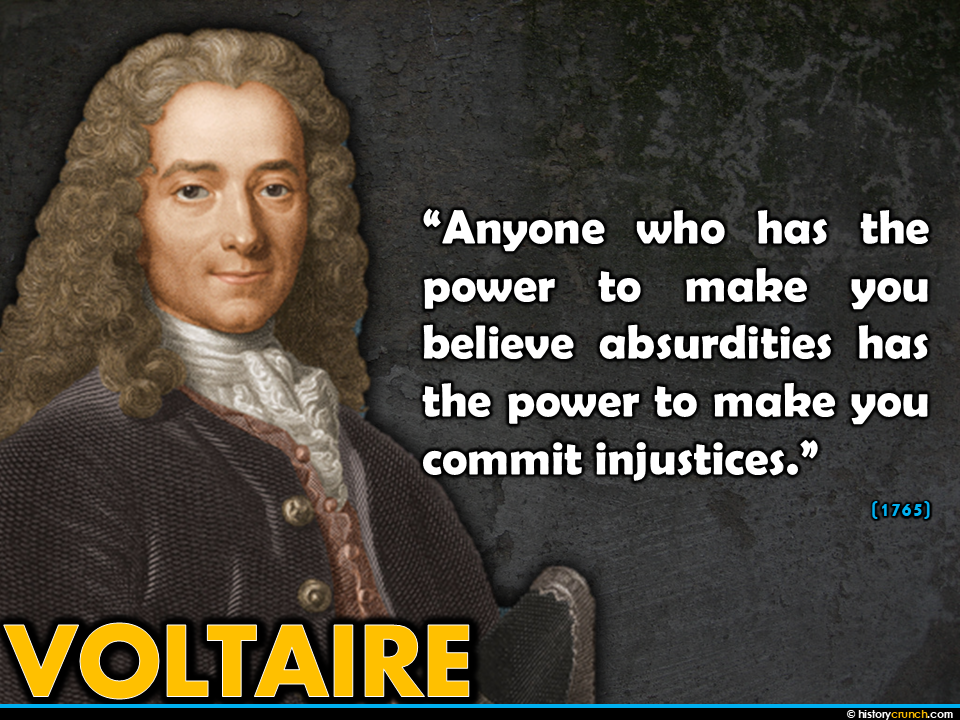
Voltaire was one of the most significant thinkers during the Age of Enlightenment. More specifically, he was a writer and philosopher and argued for freedom of speech, religious tolerance, and justice. His ideas and writings were central to the ideals of the Enlightenment and helped lay the framework for important concepts, such as: secularism, human rights, and modern liberal thought.