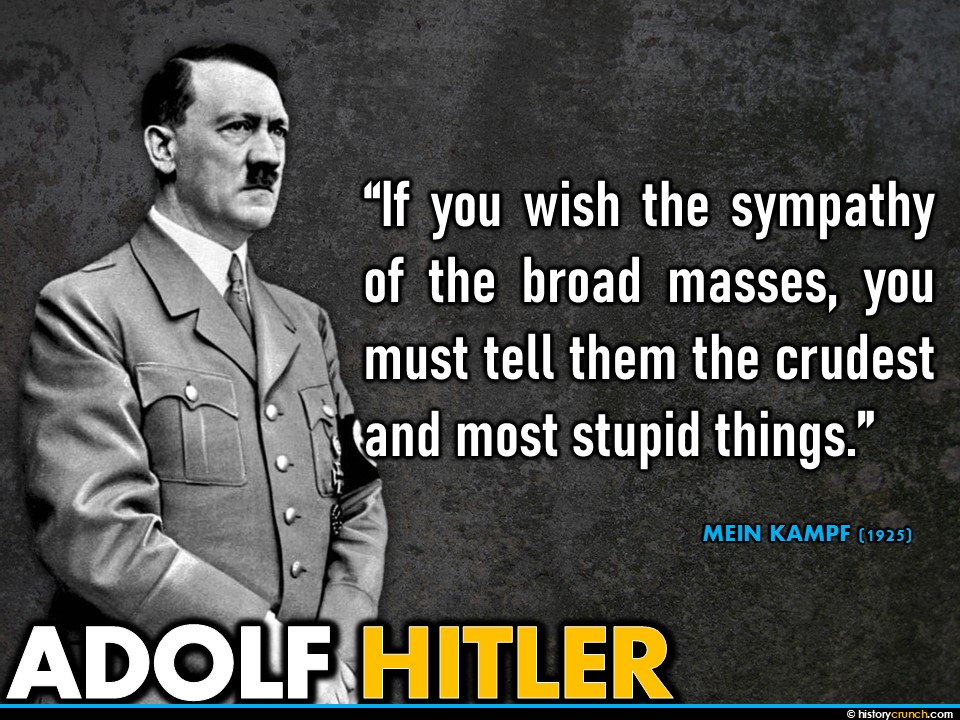
The Holocaust is one of the most important events of the 20th century. It occurred during the 1930s and 1940s and unfolded alongside the major events of World War II in Europe. It was carried out by the Nazi Party and Adolf Hitler and was part of their anti-Semitic beliefs and values that centered on racial superiority and Social Darwinism. Historians have identified several reasons for the overall significance of the Holocaust, including: its importance as an example of anti-Semitism and prejudice, its importance as a genocide, and its role in the development of human rights initiatives after 1945.
SIGNIFICANCE OF THE HOLOCAUST – ANTI-SEMITISM
The first major significance of the Holocaust was as an example of racist and prejudiced beliefs. Racism has been a persistent problem throughout human history but the events of the Holocaust displayed the terrifying result of prejudice that was organized and carried out by a government. In the Holocaust, much of the Nazis racist beliefs focused on Jewish people, although many other groups were also impacted, including: gypsies, homosexuals, Polish people and other religious and ethnic minorities. Racism directed at Jewish people is referred to as anti-Semitism. Anti-Semitism played a key role in the Holocaust and historians consider it one of the main causes.
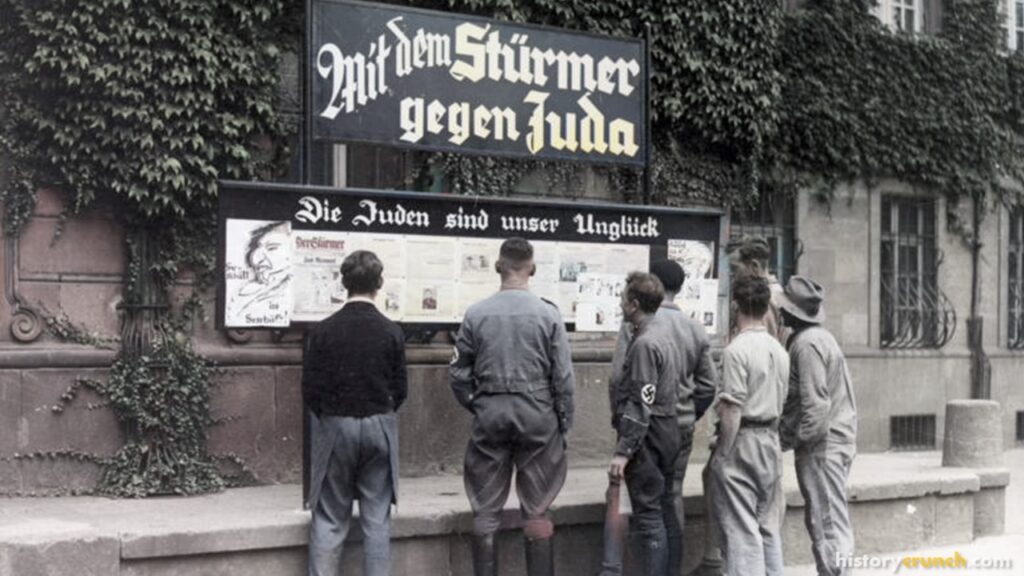
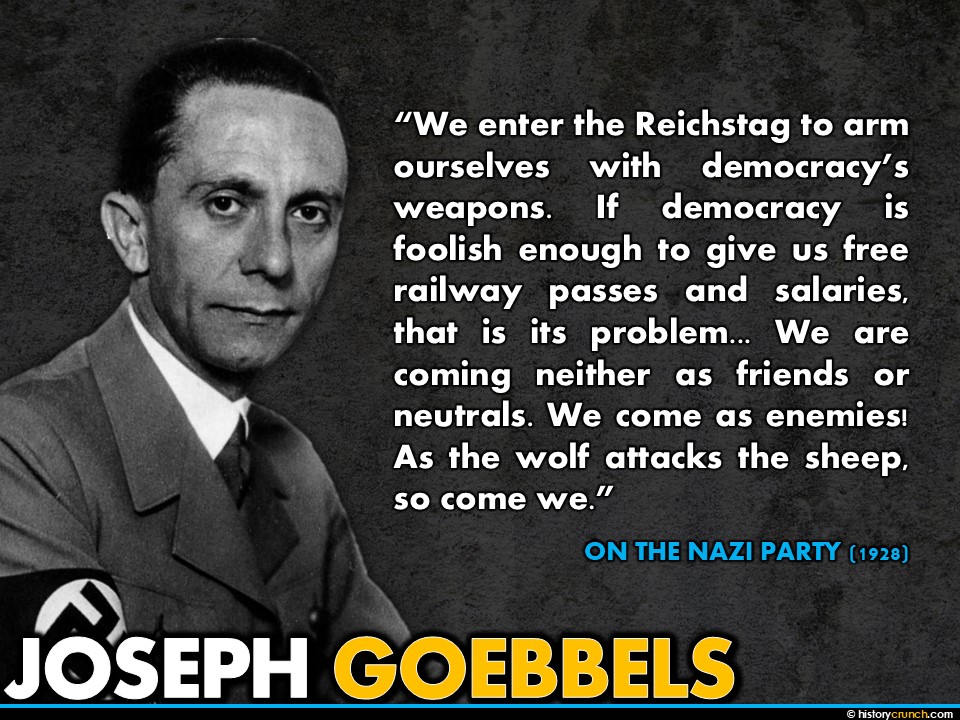
By the 1930s, Europe, and the rest of the world, were in the grips of the Great Depression, which saw unemployment increase rapidly. As well, Germany was experiencing hyperinflation (a loss of value in their currency) due to the reparation payments of the Treaty of Versailles which was forced upon Germany at the end of World War I. These two events combined to set the stage for the growth of anti-Semitism and eventually the Holocaust. Since Jewish people were historically stereotyped as controlling banks and other sources of money they became an easy and convenient target for the source of Germany’s economic problems. Hitler and other prominent Nazis, including Joseph Goebbels, blamed the Jewish for many of Germany’s problems in speeches and rallies throughout the 1930s. For example, Goebbels, who was the Nazi Propaganda Minister famously, declared that “every Jew is a sworn enemy of the German people”. As well, in 1940 the film, The Eternal Jew, was created as a means of showcasing Nazi anti-Semitism.
SIGNIFICANCE OF THE HOLOCAUST – GENOCIDE
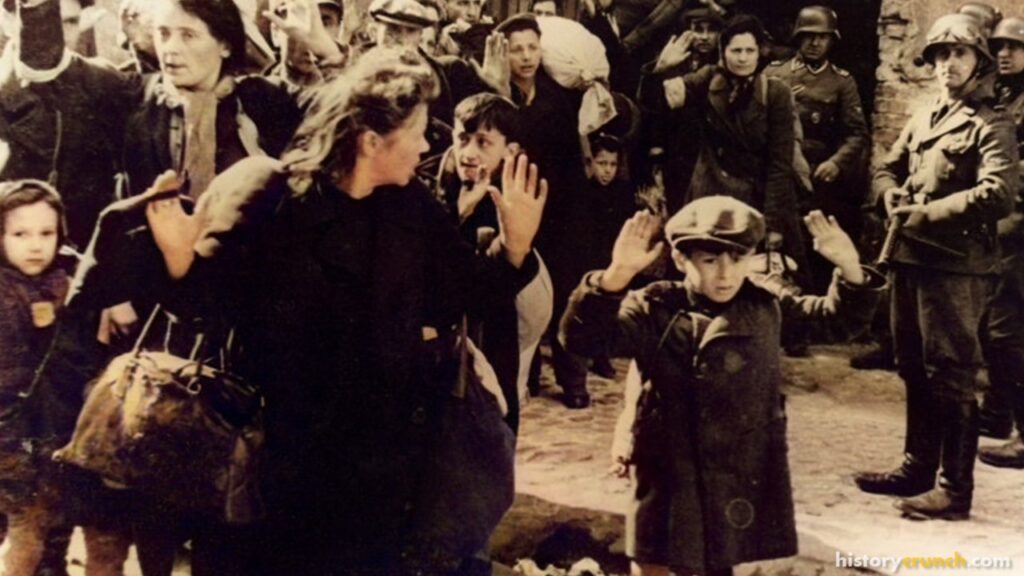
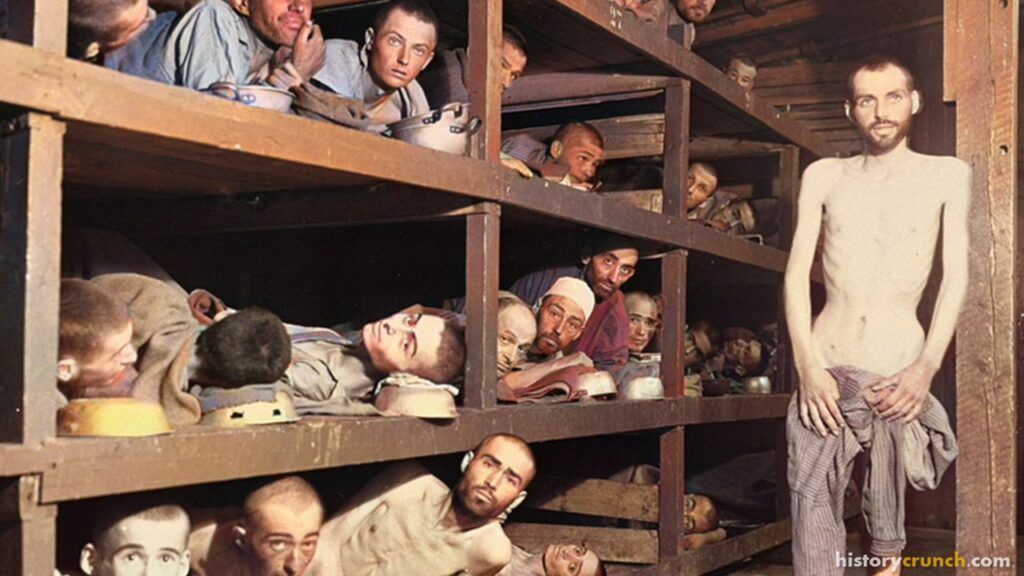
The second major significance of the Holocaust was as an example of a genocide. Simply put, a genocide is a mass killing of a certain group of people for ethnic or religious reasons. There have been many genocides throughout history, but the brutality of the Holocaust highlighted the ability of human beings to treat each other in horrible ways. For example, as part of the Nazi’s ‘Final Solution’ Jewish and other people deemed ‘undesirable’, were subjected to ghettos, concentration camps and death camps. In each of these situations the victims faced terrible conditions, including: overcrowding, lack of water, lack of food, brutal treatment by the Nazi guards and unsanitary conditions which led to the spread of infectious diseases. As a result, it is estimated that over 11 million people were killed in the Holocaust including 6 million Jewish people.
SIGNIFICANCE OF THE HOLOCAUST – HUMAN RIGHTS
The final significance of the Holocaust was the renewed focus on human rights after 1945, when both World War II and the Holocaust ended. For example, the United Nations was formed in 1945 with the goal of promoting co-operation between nations and with reaffirming the importance of human rights. Specifically, the countries of the world wanted to avoid another conflict like World War II and to prevent the horrible atrocities of the Holocaust from ever occurring again. To further this goal, the United Nations established the Universal Declaration of Human Rights in 1948. Member countries adopted the document in an attempt to create a central list of fundamental human rights that all countries could agree to. Therefore, the events of the Holocaust led to the creation of the United Nations and furthered the importance in human rights. The United Nations remains an important organization to this day and currently includes 193 member states.
The Holocaust was an incredibly significant and memorable event. It is remembered today for the inhumane actions carried out by the Nazi Party and Adolf Hitler that led to one of the most important genocides in human history. However, it also led to the creation of the United Nations as countries tried to prevent a similar genocide from occurring in the future.