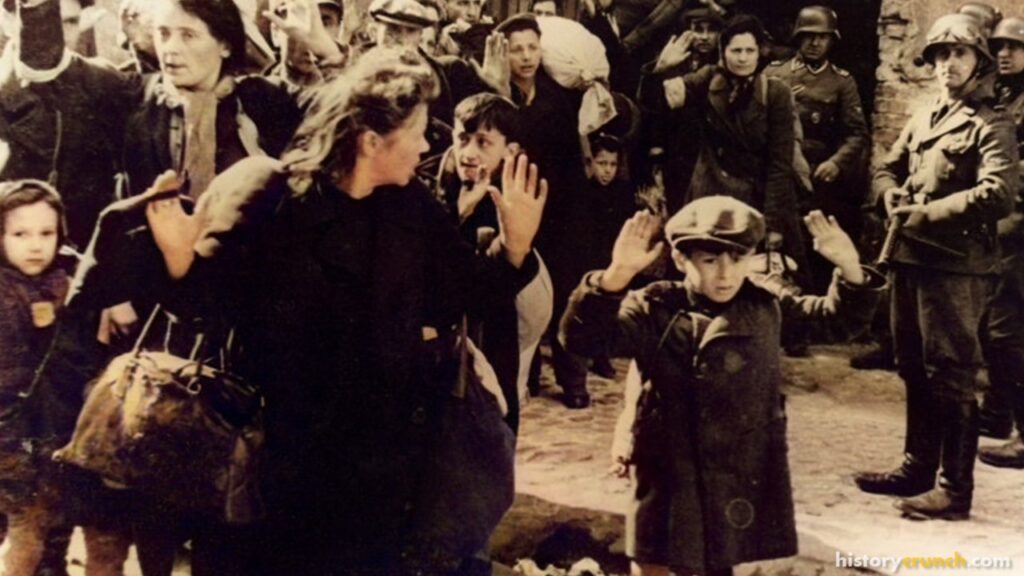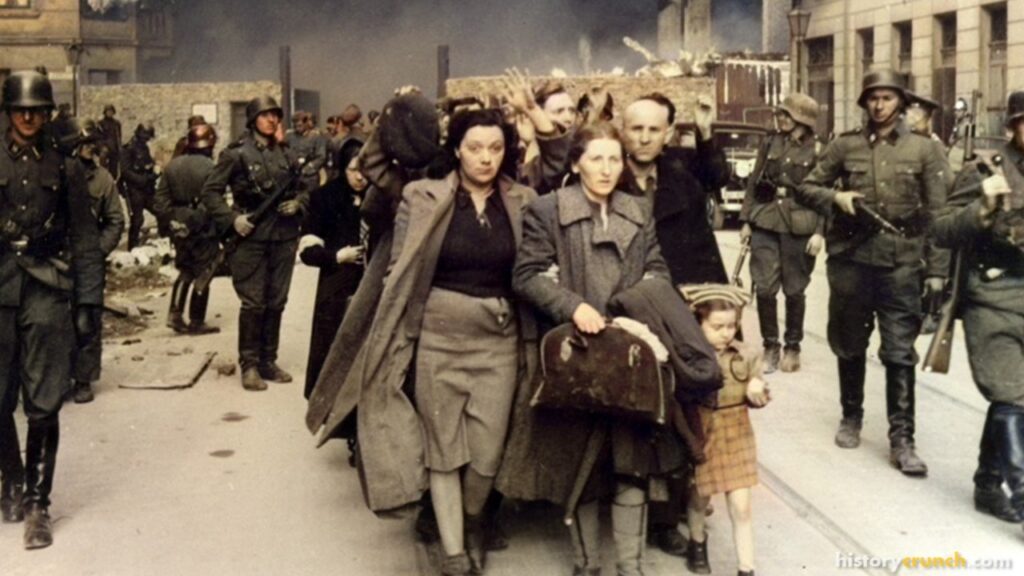
The Warsaw Ghetto Uprising was a resistance against Nazi Germany during the Holocaust by the Jewish victims of the Warsaw Ghetto. It took place in 1943, in the Warsaw Ghetto, which had been established in 1940 to imprison over 400,000 Jews in horrific, overcrowded conditions.
WHAT WAS THE HOLOCAUST?
The Holocaust is one of the most important events of the 20th century and is perhaps the most significant genocide in human history. In total, over 11 million people were executed during the Holocaust, including: Jewish, Gypsies, disabled, Polish, etc. In general, the Holocaust unfolded as a series of stages, with the creation of the ghettos being one of the first key stages. After passing the Nuremberg Laws, which restricted the rights of Jewish people in Germany, the Nazis forcibly removed Jewish people and transported them into ghettos.
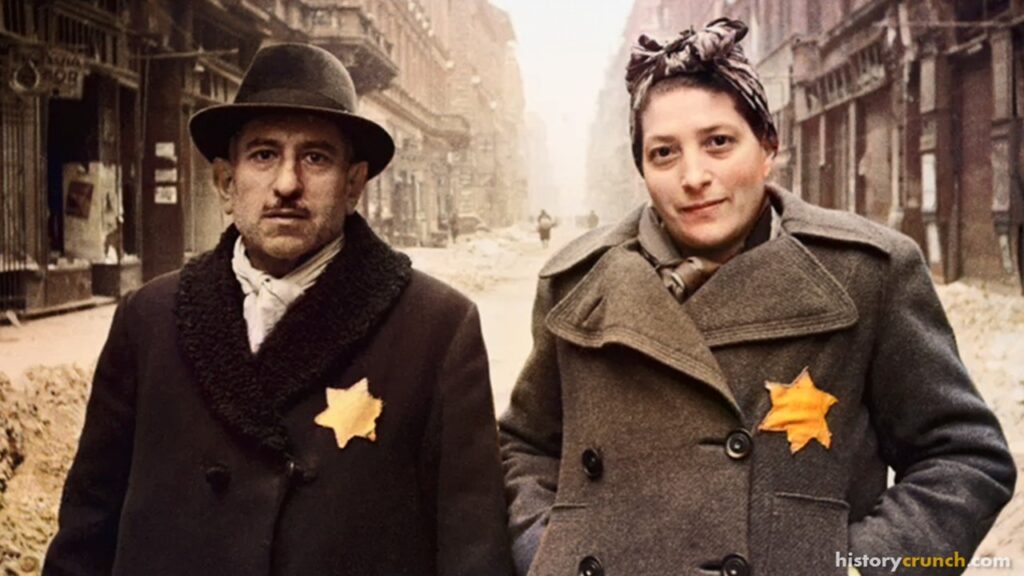
WHAT WERE GHETTOS IN THE HOLOCAUST?
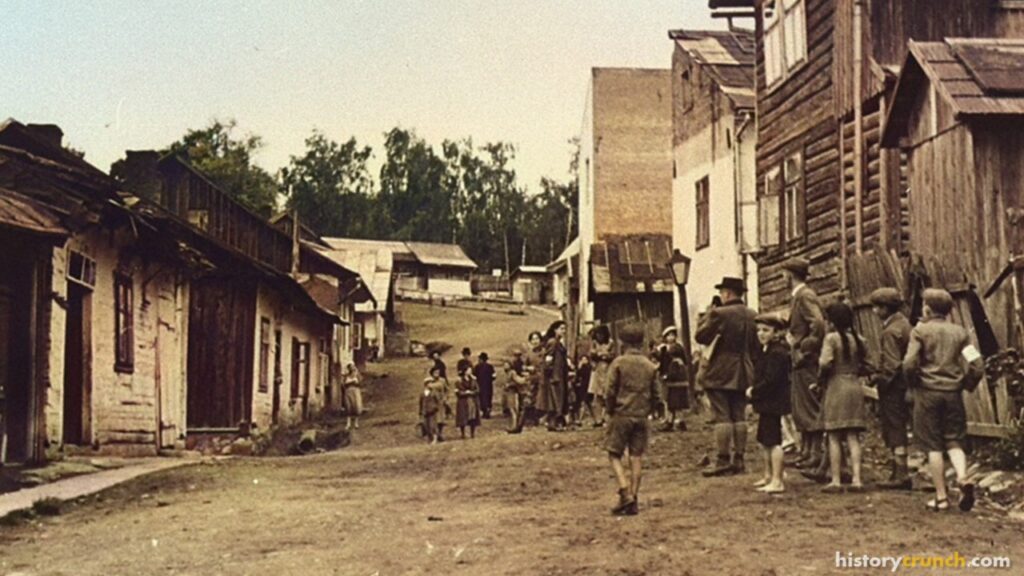
Ghettos were city districts in which the Jewish were forced to live, and which were used to isolate them from the rest of the European populations. The ghettos were surrounded by walls or fences to prevent Jewish and non-Jewish people from interacting and to forcibly contain the Jewish. In total, there were over 800 ghettos established across Nazi controlled Europe during the time period. The conditions of the ghettos were miserable. Jewish families, who were forced to live in them, faced: overcrowding, starvation, lack of medical supplies, lack of proper sanitation and running water, lack of proper clothing to deal with extreme cold, spread of infectious diseases and forced to labor for the Nazis. One of the most famous ghettos of the Holocaust was in Warsaw, Poland. It was here that the Holocaust also witnessed one of the greatest examples of resistance against the Nazis.
WARSAW GHETTO UPRISING – SUMMARY
The Warsaw Ghetto Uprising was one of the most significant events of the Holocaust and symbolized Jewish resistance in a time of brutality and devastation. In fact, it was the largest revolt by Jewish people in all of World War II and the Holocaust. The uprising began on April 19th, 1943 when Jewish prisoners inside of the ghetto refused to surrender to Nazi officials. As part of the ‘Final Solution’, Nazi Germany was removing Jewish people from ghettos across Nazi-controlled territory and transporting the prisoners to concentration and death camps. The prisoners of the Warsaw Ghetto were supposed to surrender themselves to Jürgen Stroop, the local SS commander, and were then to be transported to Treblinka, a death camp northeast of Warsaw. However, on April 19th, the prisoners in the ghetto refused to surrender. By this point, many in the ghettos had become aware of the death camps and knew that the Nazis were going to send them to their deaths. As a result, members of the Warsaw Ghetto united in their resistance in order to prevent their extermination in the gas chambers.
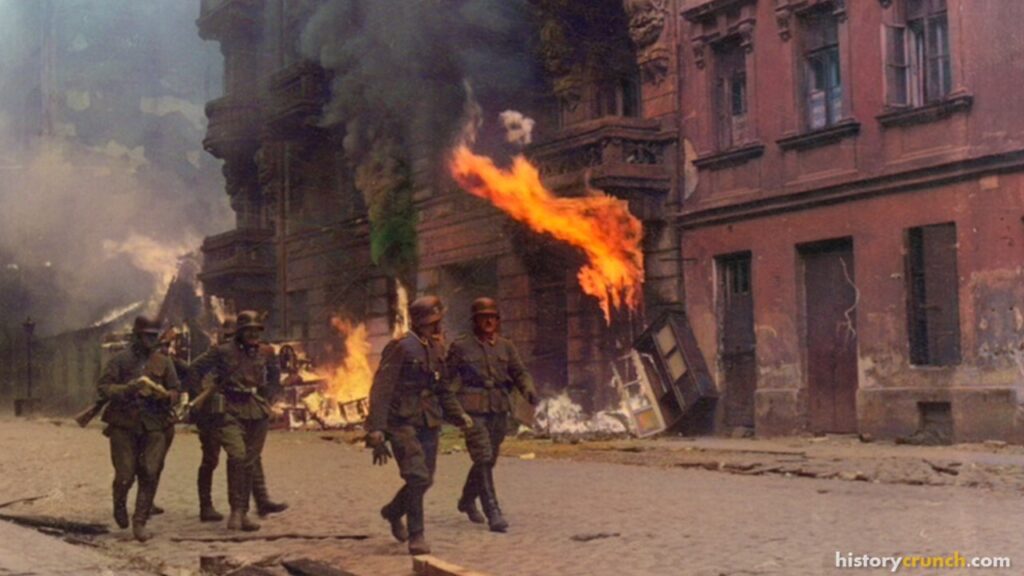
On April 19th, the SS and local police entered the ghetto to begin the process of transporting the prisoners to the camps. Instead, they were met by resistance fighters who attacked with Molotov cocktails, hand grenades and guns that had been smuggled into the ghetto. On the first day of the uprising, the Germans suffered nearly 60 dead and were forced to retreat from the ghetto. They reorganized and carried out a series of military operations in the days that followed. For example, on April 22nd, the Germans again moved into the ghetto and after being met with heavy resistance began to systematically burn houses and apartment blocks. The fires devastated the resistance fighters with many dying from the flames and smoke inhalation. As a result, the remaining resisters were forced out from their dugouts and hiding places. Finally, the uprising ended on May 16th, 1943 when Jürgen Stroop detonated an explosive that destroyed the Great Synagogue of Warsaw.
WARSAW GHETTO UPRISING – SIGNIFICANCE
In total, over 13,000 Jewish people were killed during the Warsaw Ghetto Uprising including nearly 6,000 people that died in the fires lit by the Nazis. Most of the remaining prisoners in the ghetto were captured and removed to the death camps, such as Treblinka. For their part, the Germans suffered 120 casualties and 17 dead. In the end, the Warsaw Ghetto Uprising was a significant event because it was the single largest example of Jewish resistance in the Holocaust and displayed how some fought back against the intentions of the Nazis.