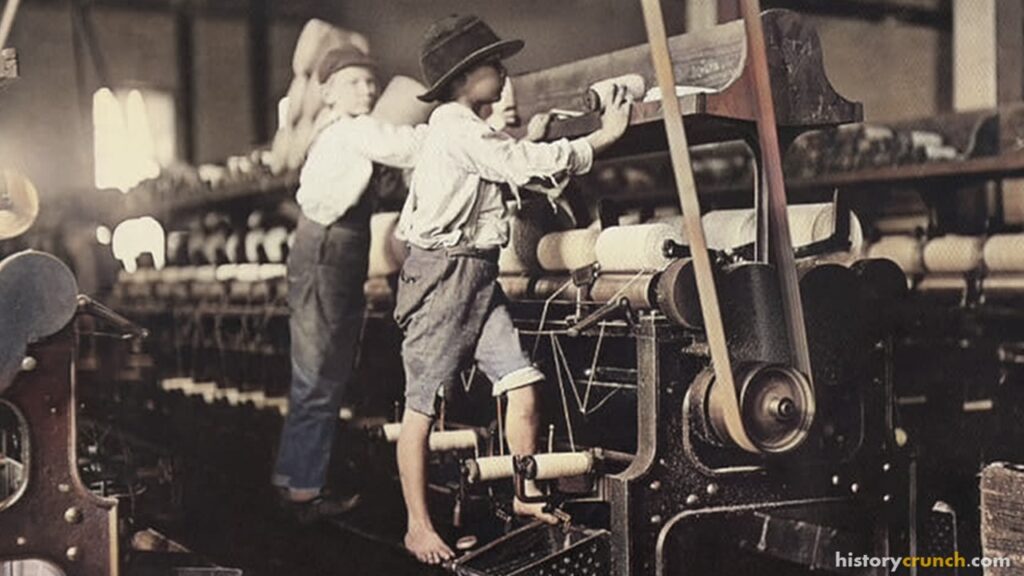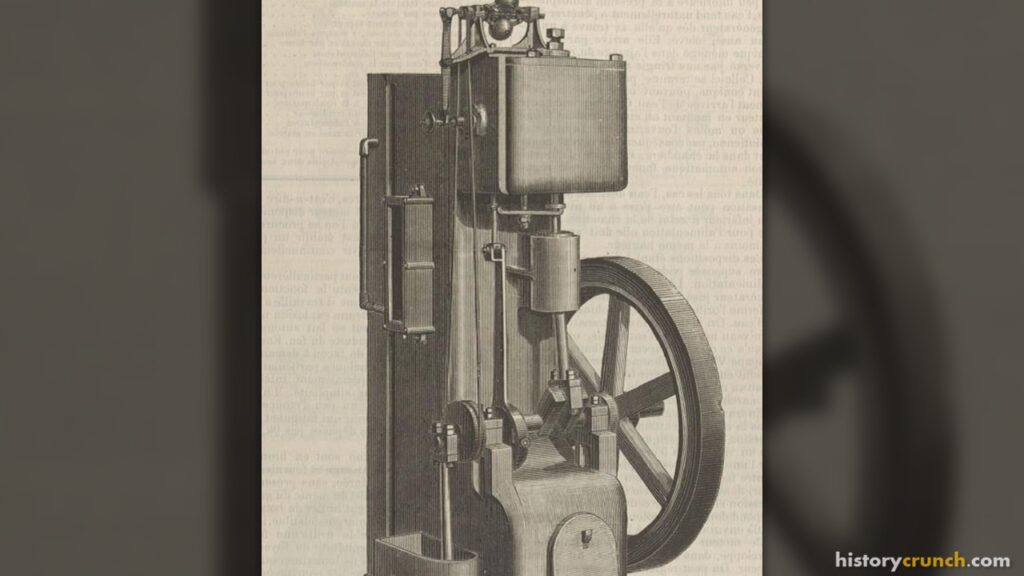
The invention of the steam engine in the late 18th century revolutionized industry and transportation by providing a powerful and efficient source of mechanical energy. This innovation enabled factories to be located away from water sources, leading to greater flexibility and growth in industrial production. Steam engines also transformed transportation, powering locomotives and ships, which facilitated faster movement of goods and people. The widespread adoption of steam power significantly accelerated the Industrial Revolution, driving economic expansion and technological progress.
INVENTION OF THE STEAM ENGINE BY THOMAS NEWCOMEN
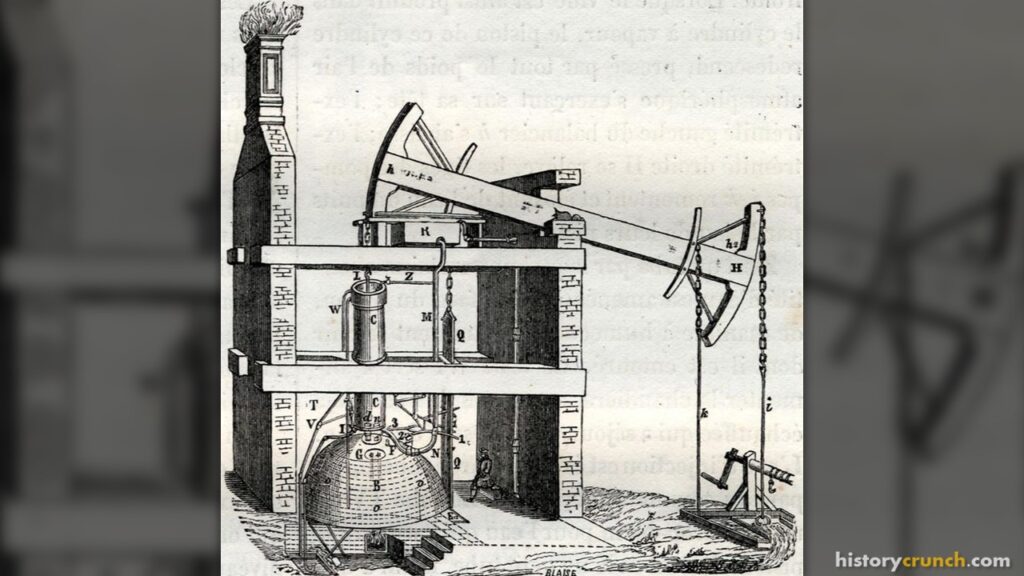
The invention of the steam engine during the Industrial Revolution is perhaps one of the most significant events during the time period. The first steam engine was invented by Thomas Newcomen, in 1712. Newcomen worked as an ironmonger in Devon, England and produced mining items for Cornish tin and coal mine owners who often complained that they were struggling to deal with flooding in their mines. Traditional methods of removing water from the mines were slow, and hard work. Newcomen realized that he could help the tin mine owners, so he developed a pump engine that used a piston in a cylinder; it was the first of its kind. Therefore, the first main use of the steam engine in the Industrial Revolution was for the purposes of removing water from mines in a more efficient manner to allow quicker removal of important minerals.
THE STEAM ENGINE AND JAMES WATT
The steam engine was later improved by British inventor, James Watt. In 1764, Watt was given a Newcomen steam engine to repair. He started working on it and soon realized that it was inefficient. As a result, Watt wanted to improve the design. He was successful, and found a way to prevent steam from escaping from the engine by adding a separate condensing chamber. Watt patented his new steam engine design, and it paved the way for other mechanical design work. With Watt’s improvements steam engines were soon used in many different industries and for many purposes. They were bought by mine owners, cotton mills, and waterworks and as a result, the steam engines helped to power the Industrial Revolution, allowing once very manual work to be replaced by engines.

THE STEAM ENGINE AND THE INDUSTRIAL REVOLUTION
Steam engines helped to improve productivity and increase efficiency. For example, later innovations, such as the steam train and boat used steam engine technology to revolutionize transportation. In 1807, Robert Fulton used steam power to create the first steamboat. His invention revolutionized travel and trade throughout Europe and in Britain in particular. The steam boat allowed more goods to be shipped by canal and waterways which furthered the impacts of industrialization. In 1814, George Stephenson, utilized the steam engine to develop the first steam train. Similar to the steam boat, the steam train increased the ability of industrialized nations to transport people and goods long distances. This allowed industrialized nations, such as Britain, to move goods to market and to transport raw materials into factories.
In conclusion, the steam engine was a major invention of the Industrial Revolution and was important to the advancement of industrialization throughout different sectors, such as: the textile industry, mining and transportation.