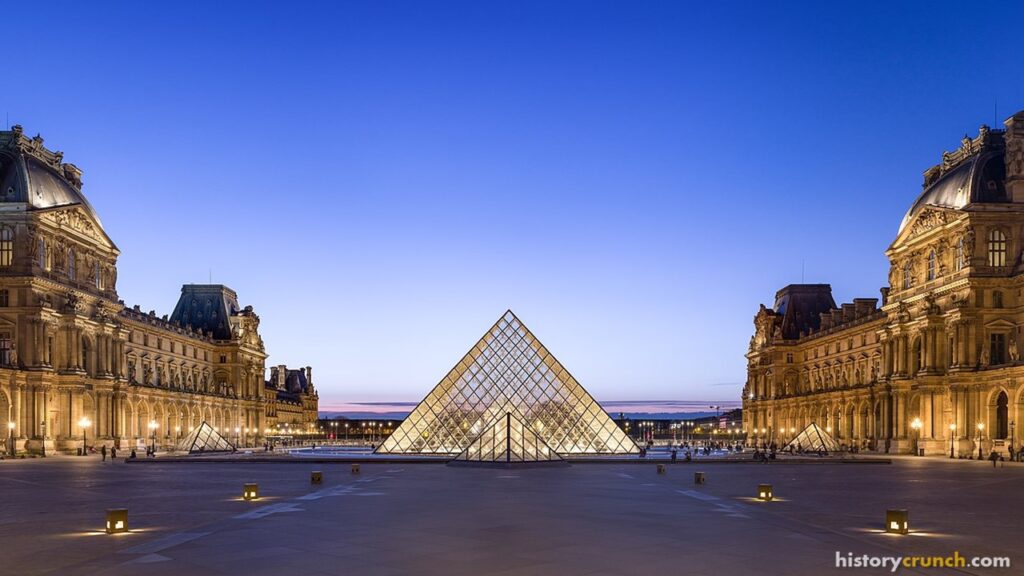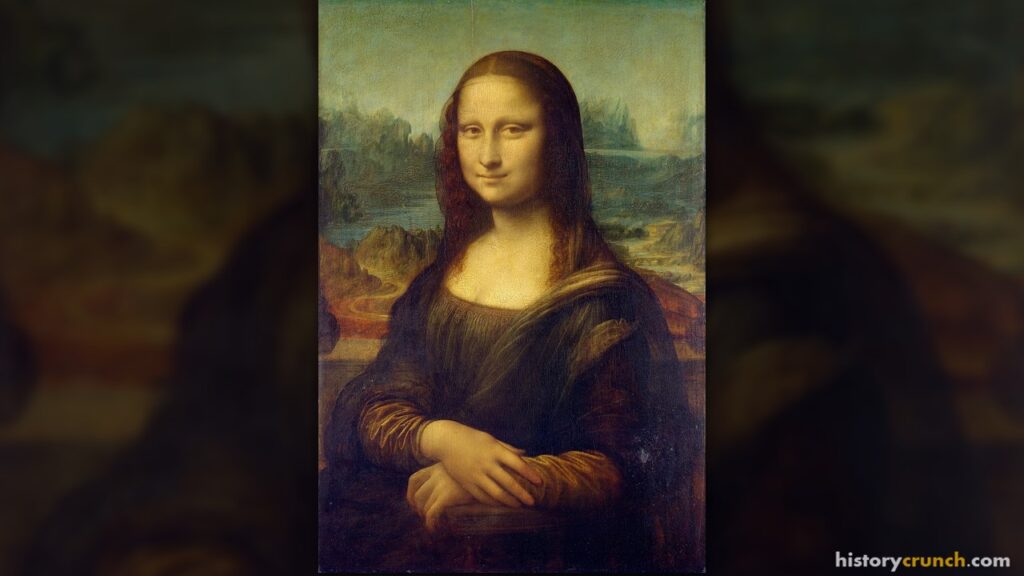
The ‘Mona Lisa’ painting is a world-famous portrait painted by Leonardo da Vinci during the Renaissance. The painting is renown today for showcasing Leonardo da Vinci’s skill and the use of soft shading techniques, like sfumato. Housed in the Louvre Museum in Paris, the ‘Mona Lisa’ remains one of the most important pieces of art in all of World History.
WHAT WAS THE RENAISSANCE?
The Renaissance is an important event in European history that stretched from the 14th century to the 17th century. It was preceded by the Middle Ages in Europe and eventually led to the major events of the Age of Enlightenment. In historical terms the Renaissance is important because it led to a major shift in European thought and worldview. The most significant changes that emerged as a result of the Renaissance can be seen in European architecture, art, literature, mathematics, music, philosophy, politics, religion and science. In particular, the Renaissance is remembered for its many advances in art. For example, one of the most important artistic achievements from the timeframe of the Renaissance is related to the Mona Lisa.
MONA LISA PAINTING – SUMMARY
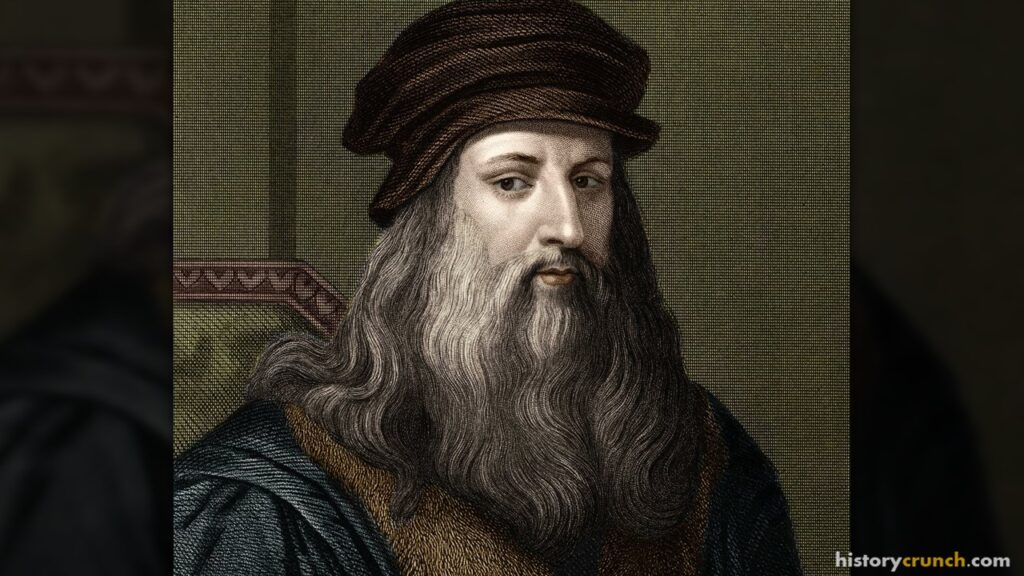
The Mona Lisa is one of the most famous paintings in human history and was completed by renowned Renaissance artist Leonardo da Vinci. He is best remembered today as a significant example of a ‘Renaissance Man’ since he completed work in so many different fields. With that said, da Vinci is best known for his artistic works including: ‘The Last Supper’ and ‘Mona Lisa’.
In terms of its structure, the Mona Lisa is a portrait painting that measures 30 inches (77 cm) tall and 21 inches (53 cm) wide. Historians believe it was painted sometime between 1503 and 1517, but the exact dates are unknown.
The subject of the painting is said to be Lisa del Giocondo. She was an Italian noblewomen and member of the Gherardini family of Florence. Like other wealthy families of the time, the Gherardini were patrons of the arts and commissioned different artists to complete portraits of their family. Leonardo da Vinci was supposedly commissioned by the family to complete the portrait of Lisa del Giocondo. In fact, the title of the painting is directly connected to her name. For instance, the term ‘Mona’ was used as a polite form of addressing a lady of the time. Therefore, ‘Mona Lisa’ best translates to ‘My Lady Lisa’ or ‘Madam Lisa’.
MONA LISA PAINTING – SIGNIFICANCE
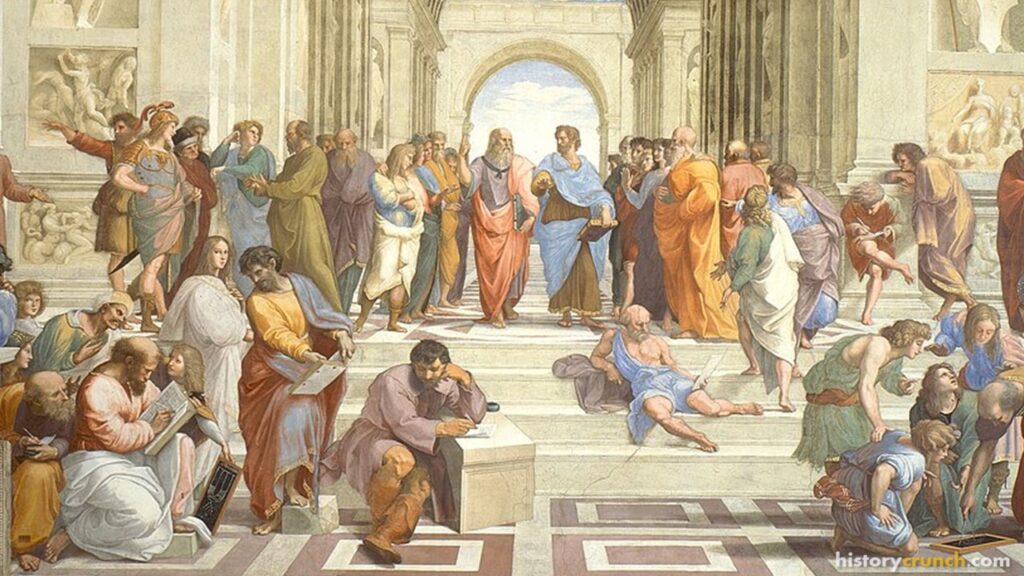
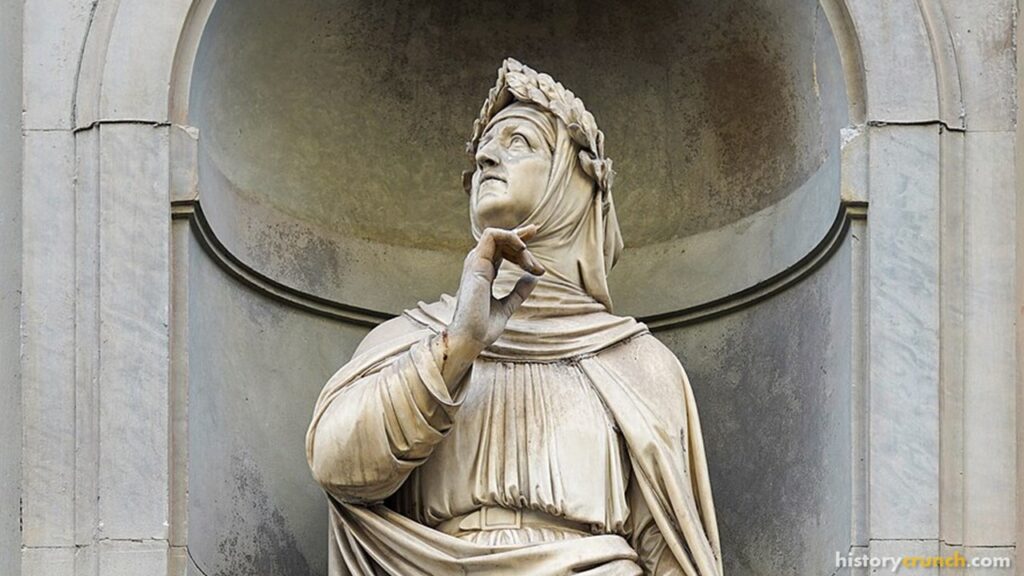
However, the Mona Lisa is world renowned today for its artistic styles and use of techniques that first emerged during the Italian Renaissance. One of the main features of the Renaissance was the rediscovery by European thinkers of ancient Greek and Roman ideas and texts. For example, the term ‘renaissance’ in French means ‘rebirth’. This is in relation to the idea that the intellectual culture of the Renaissance was sparked by the rediscovery of these ancient philosophies and ideas which had largely been ignored in Europe throughout the Middle Ages. Humanists such as Petrarch revived these ancient texts and put an emphasis on realism and logic in human life.
Renaissance artists of the time, including Leonardo da Vinci, were inspired by the humanist movement. This meant realism and the human form were important and central to the new styles of art. Furthermore, Renaissance artists such as Leonardo da Vinci pioneered new skills and techniques, such as linear perspective, that allowed them to portray people and the world in news ways. Perspective refers to the artistic technique of showing depth and dimension in a painting. Linear perspective was the technique of providing realistic depth to an image. It involved creating the illusion of depth by using angled lines and shadowing. Another technique from the Renaissance was sfumato. This was a painting technique whereby the painter would soften the lines and blend the different paints to create blurred areas. This is likely best displayed in da Vinci’s famous ‘Mona Lisa’. In fact, throughout history the painting has been praised for its use of shading and blending to enhance the photo realistic nature of the art. The masterful work of art is also significant because it does not focus on religious themes or stylized depictions of the world but rather shows a woman in a realistic fashion. This was characteristic of Renaissance art and is something that separated it from the more Gothic art that was popular in the Middle Ages.
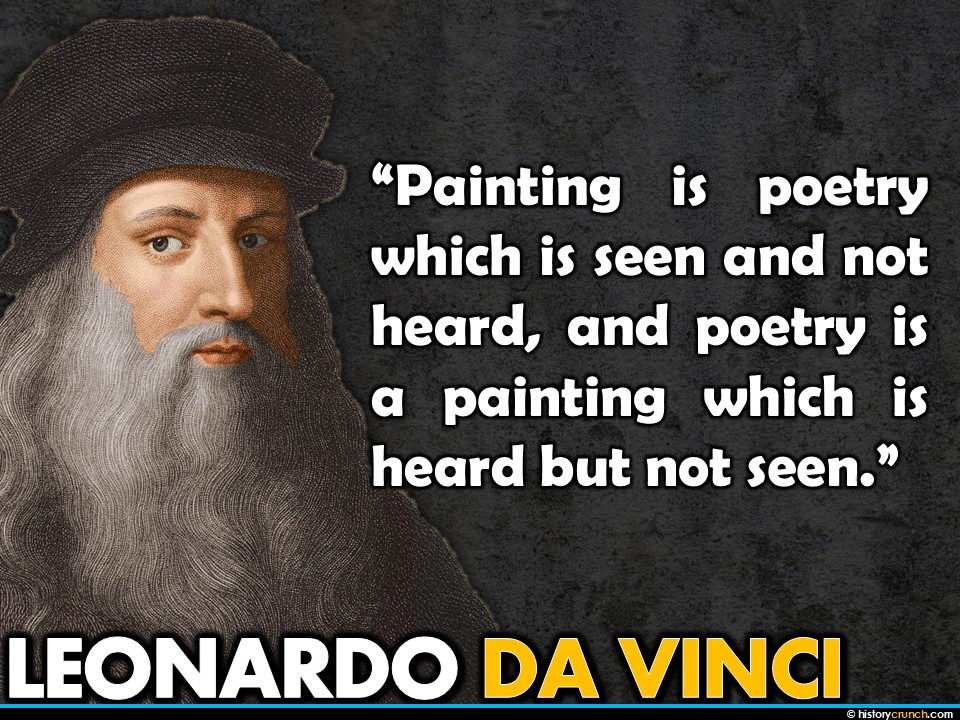
Leonardo da Vinci never delivered the painting to the family and instead took it with him to France in 1516. At the time, he was invited by France’s monarch King Francois I to work in an art studio near the king’s castle. Many historians believe that da Vinci continued to work on the Mona Lisa while in France.
There is some dispute about what happened to the painting upon da Vinci’s death in 1519. Some argue that the painting was given to Salai, his apprentice. Others argue that it was sold to Francois I in 1518. Regardless, the painting today is held in the collection of the Louvre Museum in Paris, France.