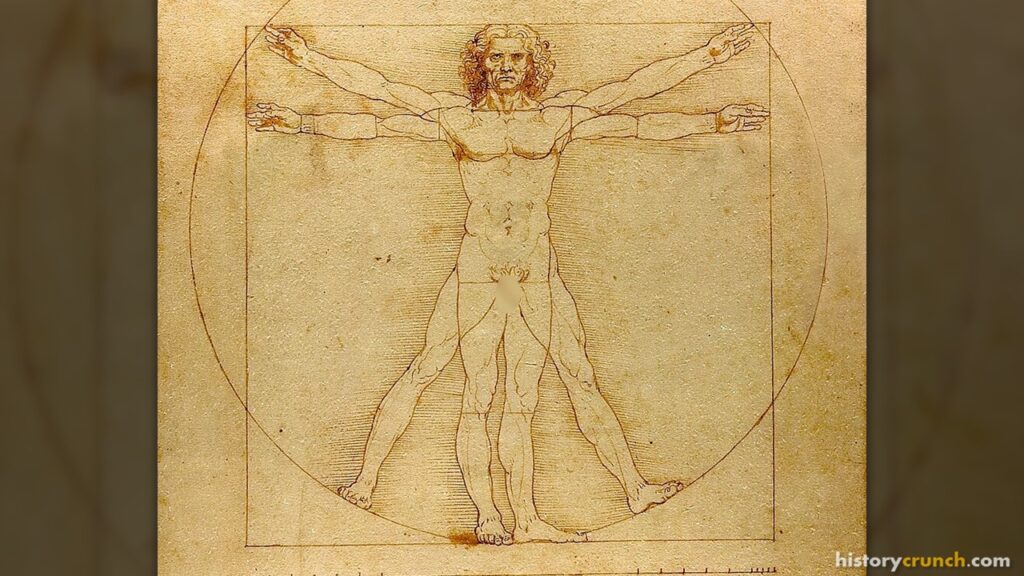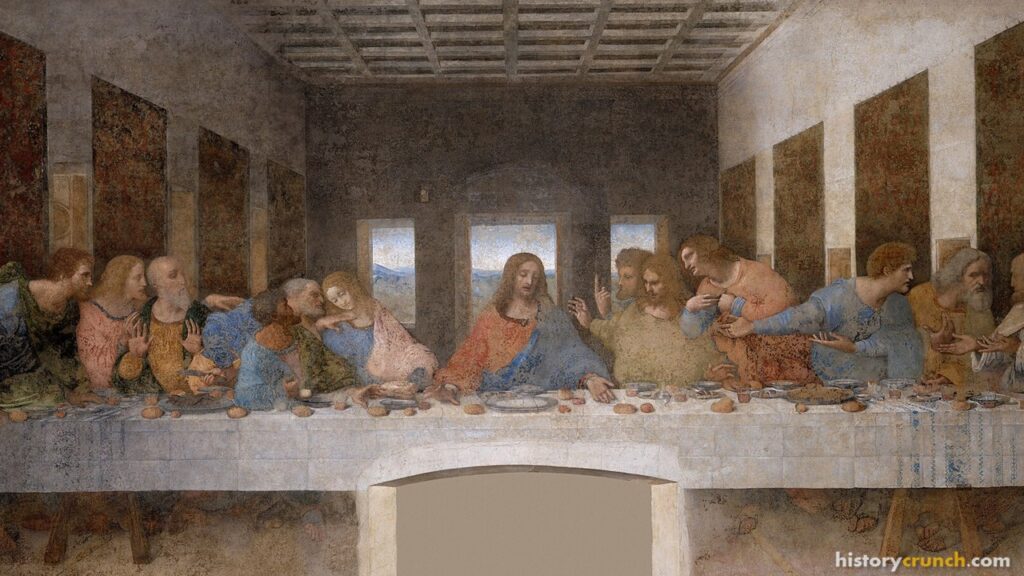
A Renaissance Man was someone who excelled in multiple fields of study during the Renaissance period. Figures like Leonardo da Vinci, who was a painter, scientist, inventor, and writer, perfectly represented this concept. The idea emphasized the value of education, curiosity, and developing both intellectual and physical talents. The term ‘Renaissance Man’ continues to be used today in relation to someone who is considered to have a well-rounded education and excels in various different fields.
WHAT WAS THE RENAISSANCE?
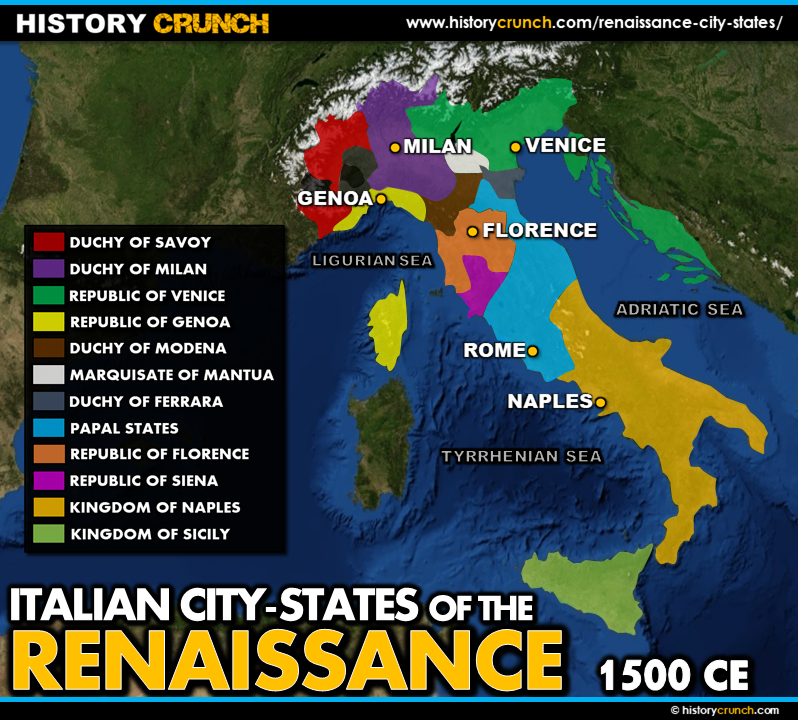
The Renaissance is an important event in European history that stretched from the 14th century to the 17th century. It was preceded by the Middle Ages in Europe and eventually led to other major events such as the Age of Enlightenment. In historical terms the Renaissance is important because it led to a major shift in European thought and worldview. The Renaissance is considered to have begun in the city-states of the Italian peninsula.
In each of these city-states, the significant changes of the overall Renaissance occurred and unfolded. For example, the most significant changes that emerged as a result of the Renaissance can be seen in European architecture, art, literature, mathematics, music, philosophy, politics, religion and science. Intellectual thought in these fields flourished during the timeframe of the Renaissance and led to many people questioning long held beliefs about each. This created an environment of discovery and curiosity in which new ideas were constantly being introduced and tested.
RENAISSANCE MAN – SUMMARY
An important concept of the Renaissance was that of the ‘Renaissance Man’. While the term is often applied to many people outside of the timeframe of the Renaissance, it originated as a way of identifying very special people from the Renaissance. In general, ‘Renaissance Man’ refers to an individual who displays abilities in many different fields and skills. The best example of a ‘Renaissance Man’ during the time of the Renaissance was Leonardo da Vinci.
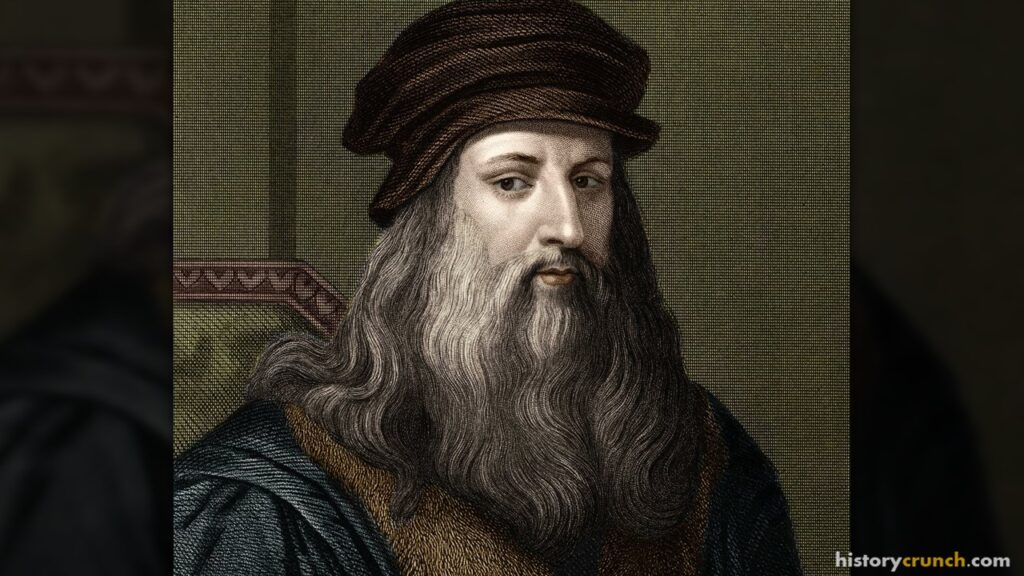
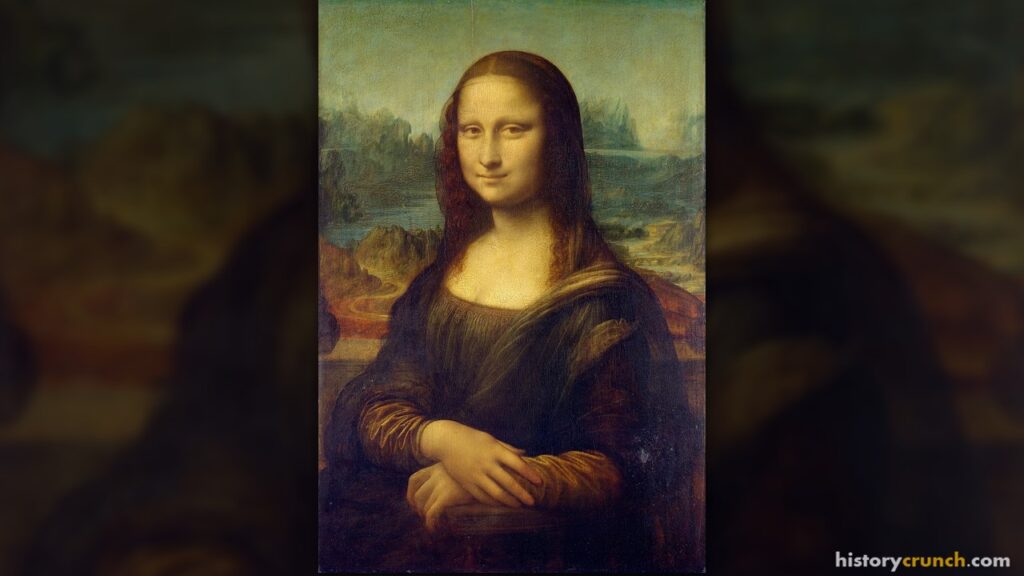
Da Vinci is best known as an artist, due to the fame of his works, and the influence that he and his work had on other artists during the Renaissance, and continue to influence artists today. Da Vinci’s painting techniques, which he pioneered, are of particular influence. The two techniques include; Chiaroscur which involved the use of a stark contrast between darkness and light, and allowed da Vinci to give his figures three-dimensionality. The second technique, Sfumato, used subtle gradations of color instead of strict borders and this gave paintings a soft, smoky characteristic – this technique helped to give da Vinci’s Mona Lisa its mysterious aura.
In addition to da Vinci’s legacy as an artist, he was also a talented inventor. Very few of his inventions were ever actually completed because the necessary engineering did not exist at the time of the Renaissance. Instead, his journals contained detailed drawings of his inventions. As such, da Vinci’s inventions were forward thinking and almost prophetic. For example, his ‘Flying Machine’ invention, which is the most well-known of his inventions, was based on the physiology of a bat, but it resembled a helicopter and a bicycle, neither of which had been invented at the time. Other prominent inventions included a vehicle that resembled a tank, and an adding machine.
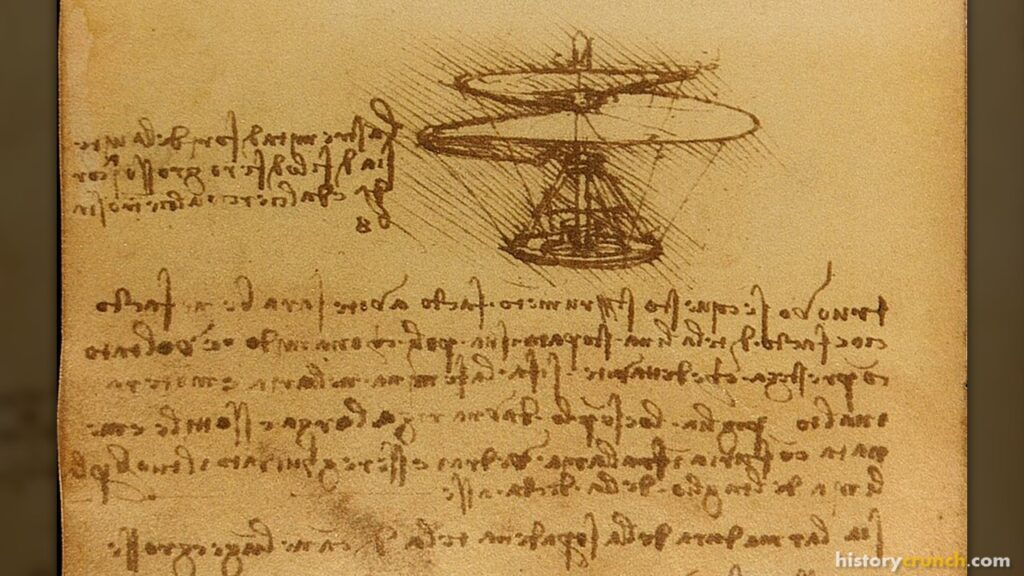
His journals were important works of art in their own right. As stated above, he drew out and explained inventions, but he also cataloged detailed accounts of human anatomy. While he never published his journals, today they offer a deep insight into what studies he was undertaking and what discoveries he had made. Curiously, his journals were written from right to left instead of the usual left to right. This meant that it could be read most clearly when viewed in a mirror. Some have suggested he did this for secrecy and to protect his ideas, but not all historians agree on this conclusion.
Da Vinci died on May 2nd, 1519 aged 67. As a result of his multitude of talents and interests, he is remembered as being the epitome of a ‘Renaissance Man’.