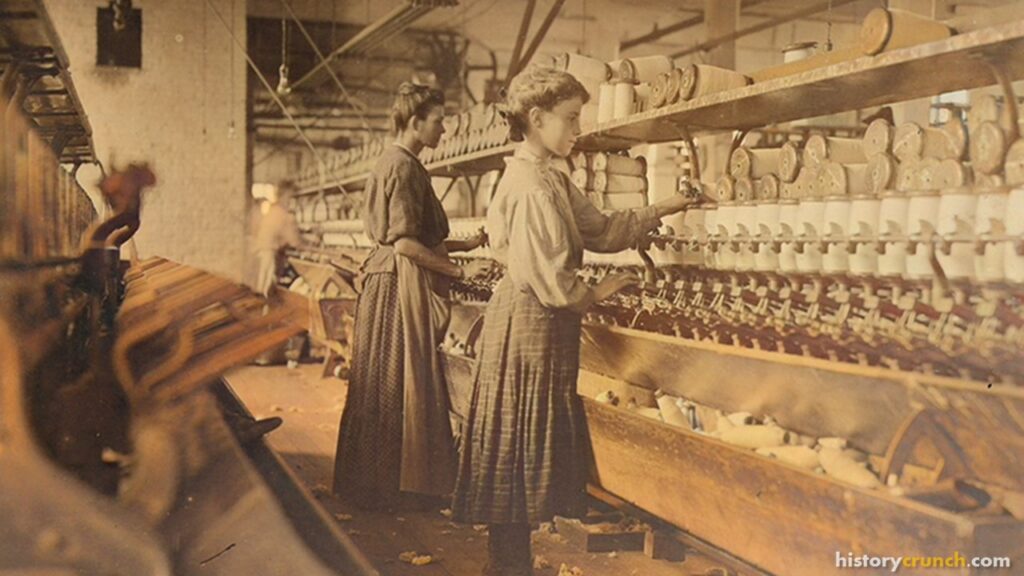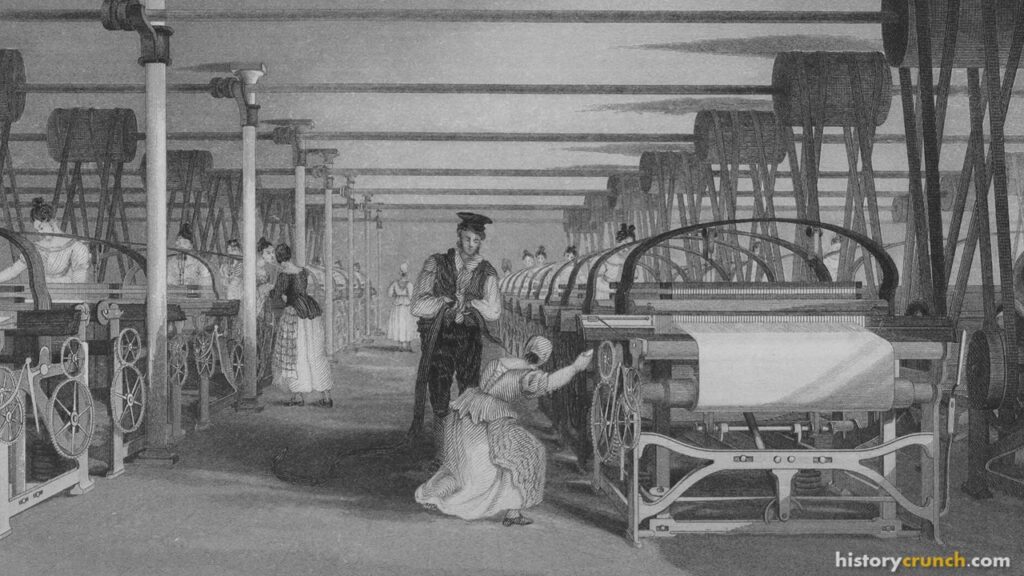
The invention of the power loom by Edmund Cartwright in 1785 revolutionized the textile industry by automating the weaving process. This mechanized loom significantly increased the speed and efficiency of textile production, reducing the reliance on manual labor. The widespread adoption of power looms accelerated the growth of factories, contributing to the industrialization of textile manufacturing. This innovation also led to economic and social changes, including the growth of urban centers and shifts in labor dynamics.
INNOVATIONS IN THE INDUSTRIAL REVOLUTION
The Industrial Revolution is one of the most significant events in all of world history and had a profound impact on the modern world. It began first in Britain in the 1700s but soon expanded to the rest of Europe and North America. Before the innovations of the Industrial Revolution, most production depended on water, wind or human energy. The businesses that existed at this time were called cottage industries. Cottage industries were an early stage of economic development in society in which workers produce a limited amount of goods in home-based businesses. However, by the mid-1700’s, new methods of production were being developed across Europe, especially in Great Britain. This transition led to the factory system, which was the creation of factories in centralized locations such as industrial towns and cities. This period of innovation continued throughout the 19th century and led to many new inventions by now famous inventors. In fact, one of the key features of the Industrial Revolution is the development of new inventions that led to more automation by machines. Significant inventions or innovations of the Industrial Revolution included: flying shuttle, spinning jenny, power loom, water frame, cotton gin, steam engine, telephone, light bulb, automobile, assembly line production and interchangeable parts.
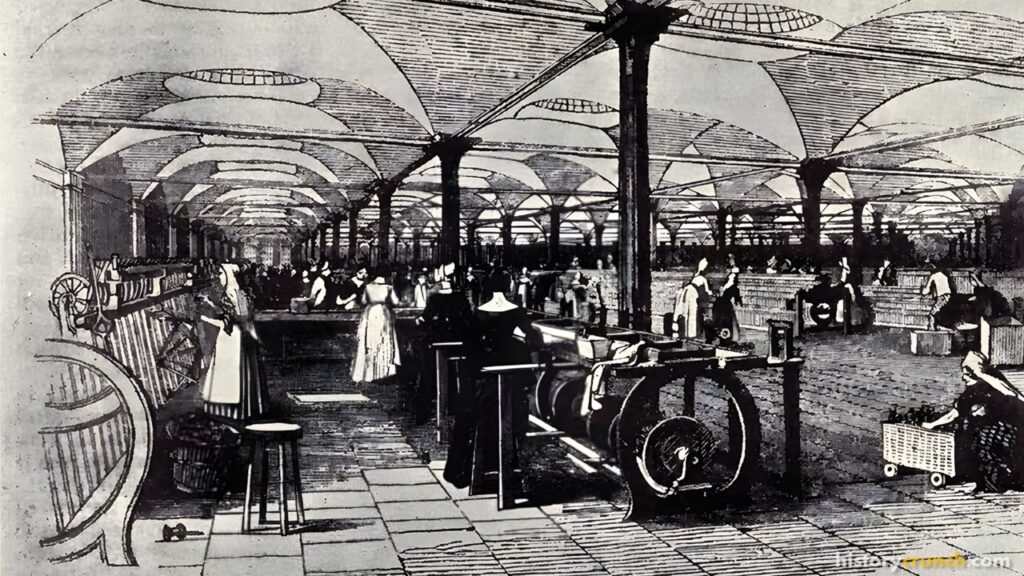
INVENTION OF THE POWER LOOM BY EDMUND CARTWRIGHT
A significant invention of the Industrial Revolution was the power loom. The first power loom was developed by Edmund Cartwright in 1784 and completed in 1785. Edmund Cartwright was an English inventor and is remembered today for inventing the power loom along with other devices important to the textile industry in England. A loom is a device that is used to weave together threads in order to produce a fabric. Traditional handlooms were slow and required several laborers to operate. Cartwright’s invention of the power loom was significant because it used mechanization to automate much of the weaving process.
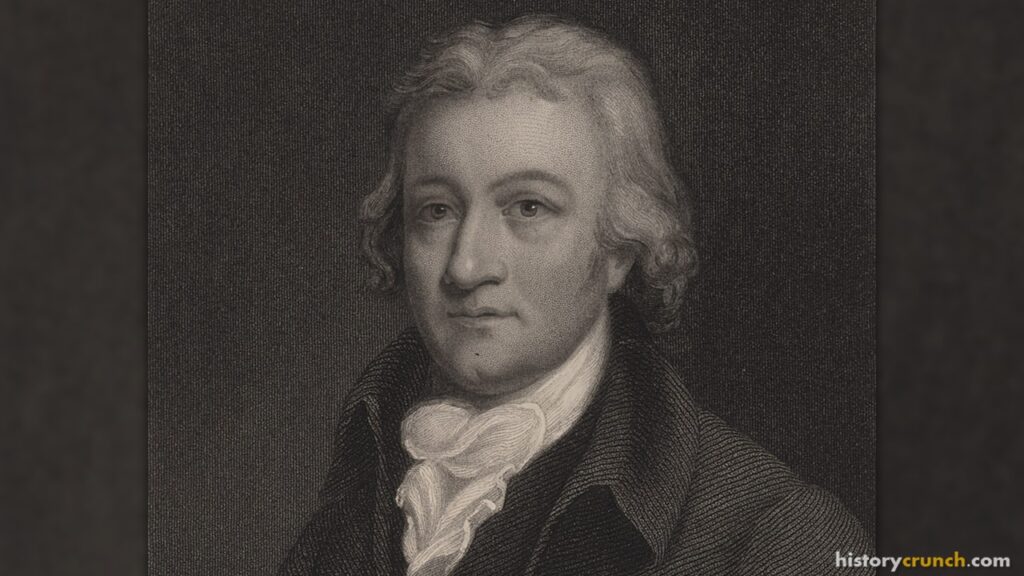
While working for the church Cartwright visited Richard Arkwright’s cotton spinning mills and saw the cotton spinning machines in action. Richard Arkwright was another important inventor during the timeframe of the Industrial Revolution and is best known for developing the water frame. After seeing the spinning machines Cartwright thought that he could make something similar for weaving and so was inspired to create a machine called the power loom. He began working on the designs of the machine in 1784 and fully built it in 1785. Many people thought that Cartwright would not be able to make a machine that was able to weave automatically, but he did. The first machine he made was simplistic, but he soon made improvements that enabled the machine to be used in factories. Essentially, the power loom mechanized the function of a loom by use of large shaft and sped up the process of textile manufacturing. In general, looms were used to weave together fabrics in order to create textiles. Cartwright did not benefit much from his invention of the power loom. For instance, he made very little money from his invention. With that said, the power loom had a transformative impact on society and went on to have a profound effect on industrial production.
In fact, although Cartwright died in 1823, the power loom went on to have a profound impact on industrial production throughout the 19th century. For instance, in 1803, there were just 2,400 power looms in all of Britain. However, by 1833, there was as many as 100,000 in use across the textile factories of Britain. One of the main industries that benefitted from the Industrial Revolution was the textile industry. The textile industry was based on the development of cloth and clothing. The invention of the power loom was significant to this increase in textile production.