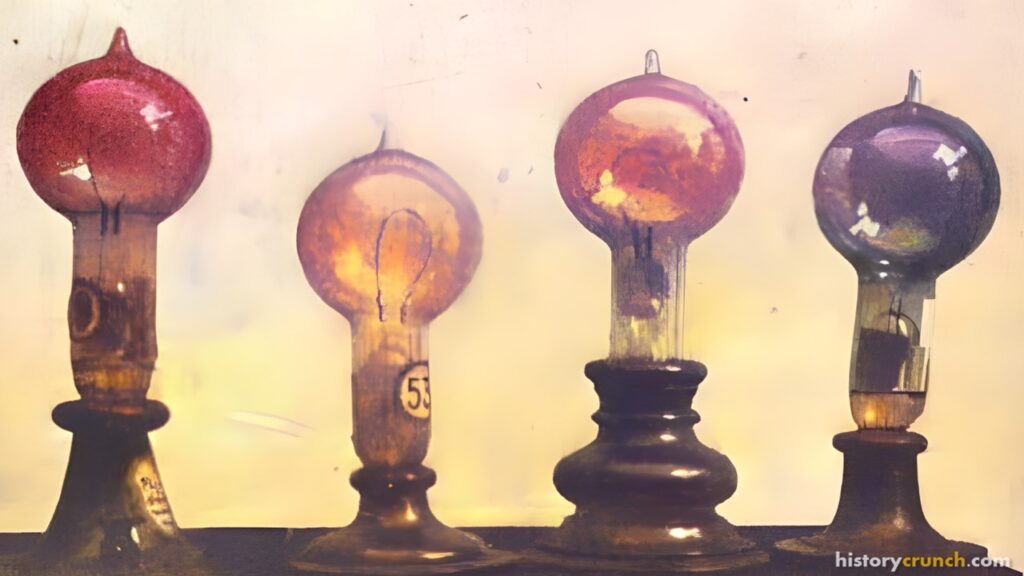
The invention of the light bulb by Thomas Edison in 1879 marked a monumental breakthrough in technology and daily life. This practical and long-lasting electric light source replaced less efficient gas and oil lamps, drastically improving illumination in homes and workplaces. Edison’s light bulb paved the way for widespread electrification, transforming industries and extending productive hours beyond daylight. This innovation also spurred further advancements in electrical engineering and infrastructure, fundamentally changing modern society.
INNOVATIONS IN THE INDUSTRIAL REVOLUTION
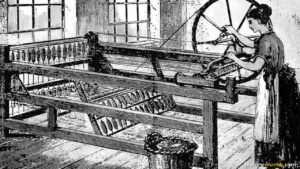
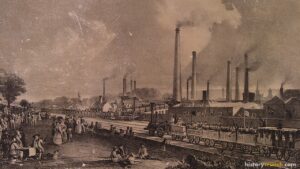
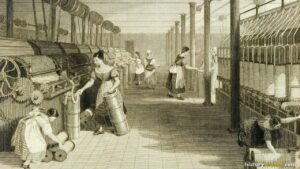
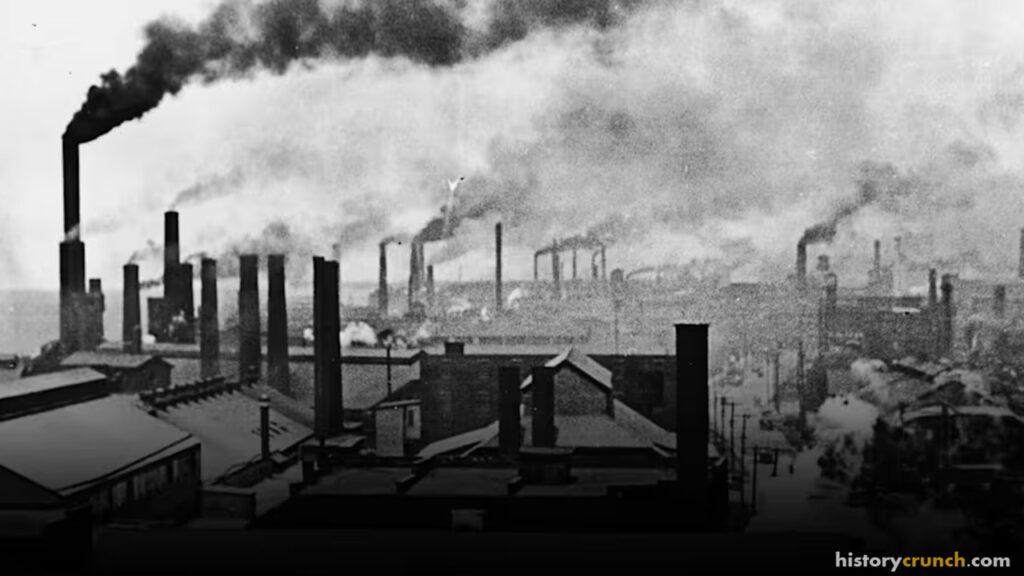
The Industrial Revolution is one of the most significant events in all of world history and had a profound impact on the modern world. It began first in Britain in the 1700s but soon expanded to the rest of Europe and North America. Before the innovations of the Industrial Revolution, most production depended on water, wind or human energy. The businesses that existed at this time were called cottage industries. Cottage industries were an early stage of economic development in society in which workers produce a limited amount of goods in home-based businesses. However, by the mid-1700’s, new methods of production were being developed across Europe, especially in Great Britain. This transition led to the factory system, which was the creation of factories in centralized locations such as industrial towns and cities. This period of innovation continued throughout the 19th century and led to many new inventions by now famous inventors. In fact, one of the key features of the Industrial Revolution is the development of new inventions that led to more automation by machines. Significant inventions or innovations of the Industrial Revolution included: flying shuttle, spinning jenny, power loom, water frame, cotton gin, steam engine, telephone, light bulb, automobile, assembly line production and interchangeable parts.
THOMAS EDISON AND THE INVENTION OF THE LIGHT BULB
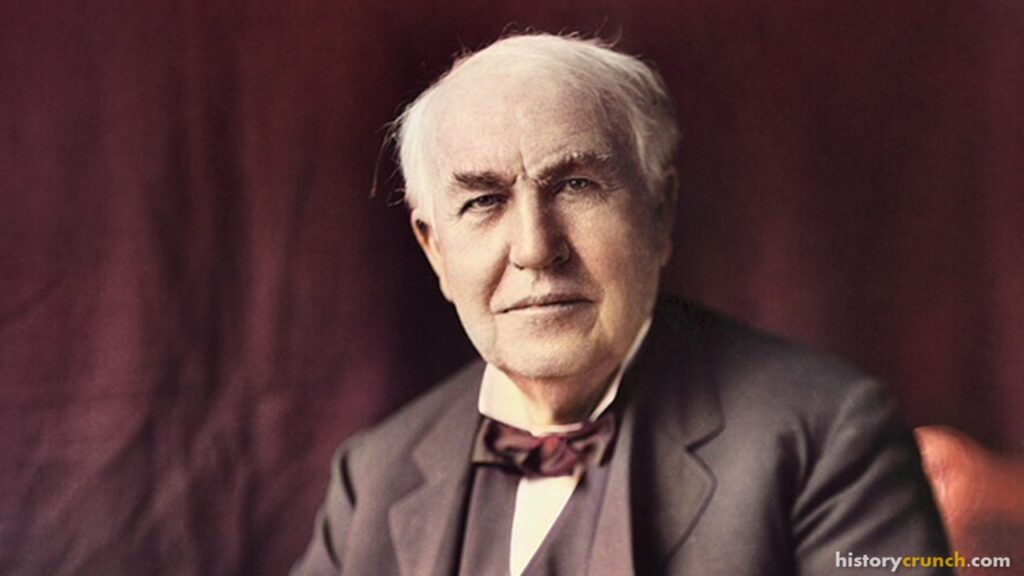
A significant invention of the late period of the Industrial Revolution was the light bulb, which was invented by Thomas Edison in 1879. Thomas Edison was an American inventor, and is famous today for many different inventions, of which the light bulb is just one. For instance, he also invented the phonograph, which was the first device that could record and playback sounds.
The Industrial Revolution was one of the most important events in human history and dramatically transformed life for people throughout the world. While it first began in Britain, its effects later spread to other parts of Europe, the Americas and now parts of Asia. In general, the Industrial Revolution unfolded in a series of stages, which historians refer to as the First Industrial Revolution and the Second Industrial Revolution. The First Industrial Revolution began in the 18th century and focused primarily on textile manufacturing and steam power. The Second Industrial Revolution began in the mid-19th century and continued until World War I in 1917. The Second Industrial Revolution focused instead on steel production, the automobile and advances in electricity. Thomas Edison’s invention of the telephone is one of the most significant inventions from the Second Industrial Revolution.
In 1876, Edison famously developed his own research laboratory called the Menlo Park Laboratory. Edison built the laboratory in New Jersey by using the funds from the sale of his Quadruplex Telegraph, which was his first major success. The lab was set up in order to produce technological innovation and improvement, and it was very successful. In fact, the Menlo Park Laboratory was not just a place for Edison to work, but also served as a site for other inventors that wanted to mentor and train with Edison. In general, Thomas Edison directed the research of the people working at Menlo Park and took full legal ownership over any innovations created in the laboratory. During his time at the lab, working with others, Edison developed the first voice transmitter, a pre-cursor of the telephone, and the first successful lightbulb. Both inventions were important in order to allow people to communicate, and to allow industry and families to function, even at night. For example, he invented the phonograph in 1877, which is a device that recorded and reproduced sound. It was the first device to ever do this and amazed the American public at the time. It was so well received by the public that Edison was enduringly called ‘The Wizard of Menlo Park’.
In 1878, Edison began work on likely his most famous invention – the incandescent light bulb. At the time, most of the lighting in homes and business was from either gas or oil lamps. In fact, several other inventors had previously introduced their own versions of the incandescent light bulb. However, these earlier version suffered from some major shortfalls, including: short lifespans and expensive. As such, in 1878, Edison set out he develop the first incandescent light bulb that could be used on a mass-scale and replace the gas and oil lamps. He officially obtained a patent for his version of the light bulb, which used a carbon filament on January 27th, 1880. Based on this new invention, Edison and a team of financial backers developed a new company called the Edison Electric Light Company. He made his first demonstration of the light bulb in Melno Park on December 31st, 1879. It was at this time that he famously stated that “We will make electricity so cheap that only the rich will burn candles”. Edison’s incandescent light bulb was the first mass-produced electric lighting solution and was sold across the United States and Europe.
The development of the light bulb transformed society for people worldwide as, it is now commonplace across much of the world. It helped to usher in modern society and led to other advancements in electricity and technology.