Renaissance Humanism was one of the most significant developments during the time of the Renaissance. It had a profound impact the lives of the people in the Renaissance and altered the course of history in the centuries that followed. For instance, the ideals of Renaissance Humanism spread out of Italy and to the rest of Europe, including: France, England and the Germanic kingdoms.
WHAT WAS THE RENAISSANCE?
The Renaissance is an important event in European history that stretched from the 14th century to the 17th century. It was preceded by the Middle Ages in Europe and eventually led to the major events of the Age of Enlightenment. In historical terms the Renaissance is important because it led to a major shift in European thought and worldview. The most significant changes that emerged as a result of the Renaissance can be seen in European architecture, art, literature, mathematics, music, philosophy, politics, religion and science. Intellectual thought in these fields flourished during the timeframe of the Renaissance and led to many people questioning long held beliefs about each. This created an environment of discovery and curiosity in which new ideas were constantly being introduced and tested. One such new idea or worldview that developed during the time of the Renaissance was called humanism. In order to better understand Renaissance Humanism it is first important to learn about how it developed and the influential people associated with it.
RENAISSANCE HUMANISM – REDISCOVERY OF ANCIENT TEXTS
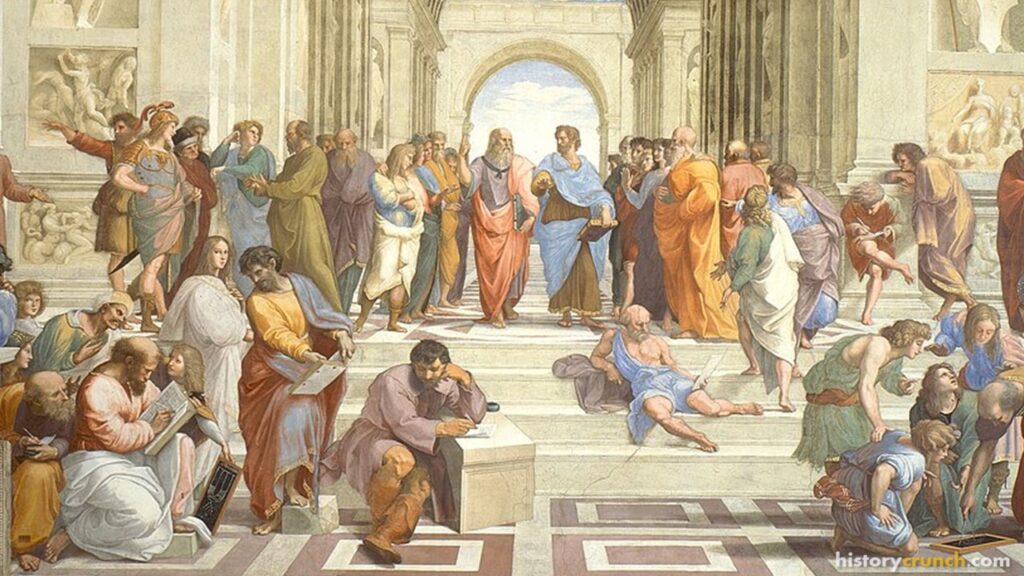
As stated above, one of the main features of the Renaissance was the rediscovery by European thinkers of ancient Greek and Roman ideas and texts. For example, the term ‘renaissance’ in French means ‘rebirth’. This is in relation to the idea that the intellectual culture of the Renaissance was sparked by the rediscovery of these ancient philosophies and ideas which had largely been ignored in Europe throughout the Middle Ages. Many of these ancient texts were preserved by Islamic and Jewish cultures in the Middle East and were not rediscovered by Europeans until the time of the Renaissance.
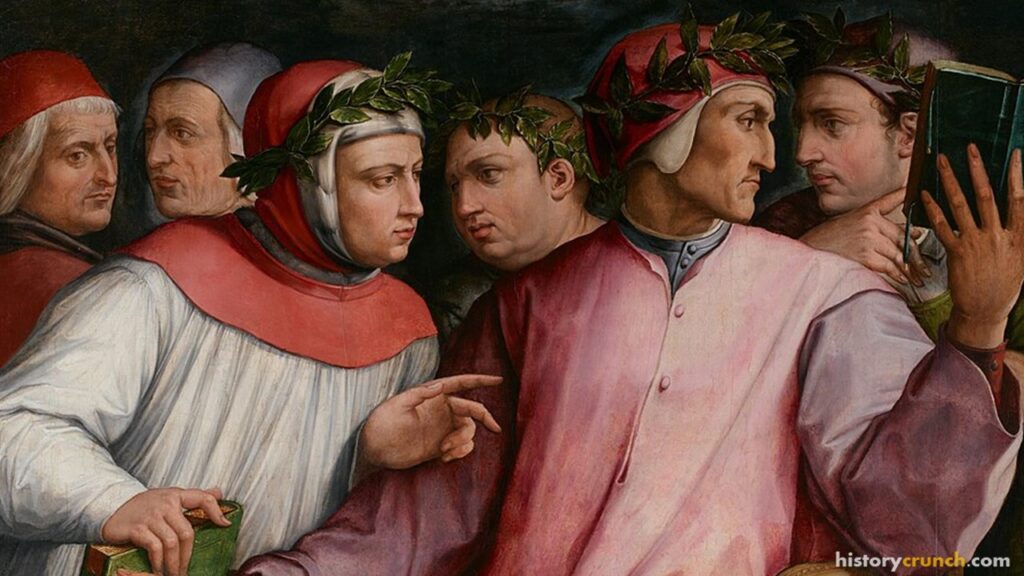
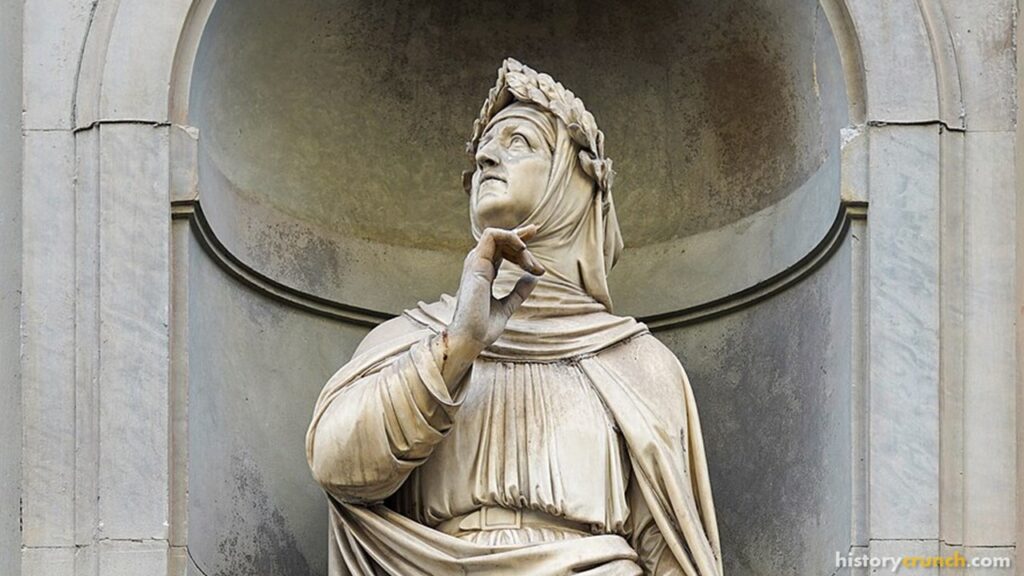
More specifically, famous Italian Renaissance scholar and humanist Petrarch (also known as Francesco Petrarca) is remembered for rediscovering the earlier work of Roman philosopher Cicero. Cicero was born in Italy in 106 BC and died in 43 BC. He is regarded as one of the most masterful writers of his time and the Latin language. Petrarch’s rediscovery in the 14th century of Cicero’s letters is considered to be the spark of the Italian Renaissance and inspired other European scholars to do the same and look to ancient texts. Petrarch considered the ideas present in Cicero’s and other ancient texts as superior to the ideas present in Europe at the time of the Middle Ages. As well, Petrarch is considered to be the founder of the humanist movement during the Renaissance.
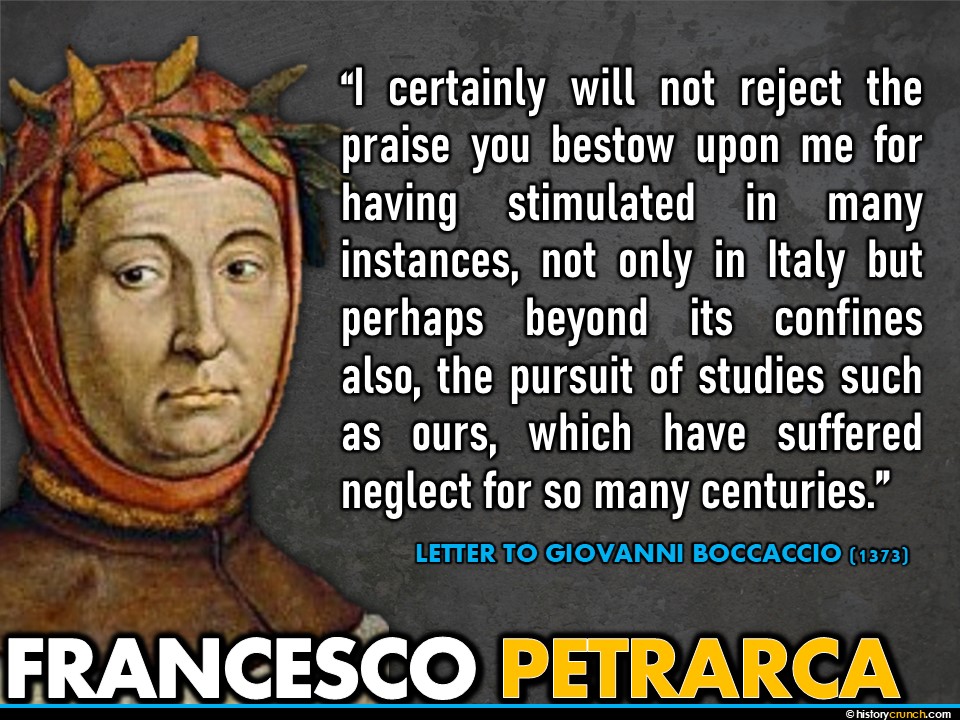
In general, Renaissance Humanism was the study of ancient Greek and Roman texts with the goal of promoting new norms and values in society. These norms and views varied from those at the time because they focused less heavily on a religious worldview. Instead, Renaissance humanists such as Petrarch used ancient texts to promote a worldview based on logic and reason. This was to be accomplished through the study of the ‘studia humanitatis’, which today is known as the humanities and includes topics such as: grammar, history, poetry, and philosophy. Renaissance humanists such as Petrarch promoted the idea that citizens should be educated in these topics in order to allow them to participate in the social and political life of their society. This was a fundamental shift from the feudalistic and religious life that was the reality for most people in the Europe in the Middle Ages. As such, Petrarch’s actions are considered to be important to the emergence and growth of the overall Renaissance.
RENAISSANCE HUMANISM – HOW IT SPREAD DURING THE RENAISSANCE
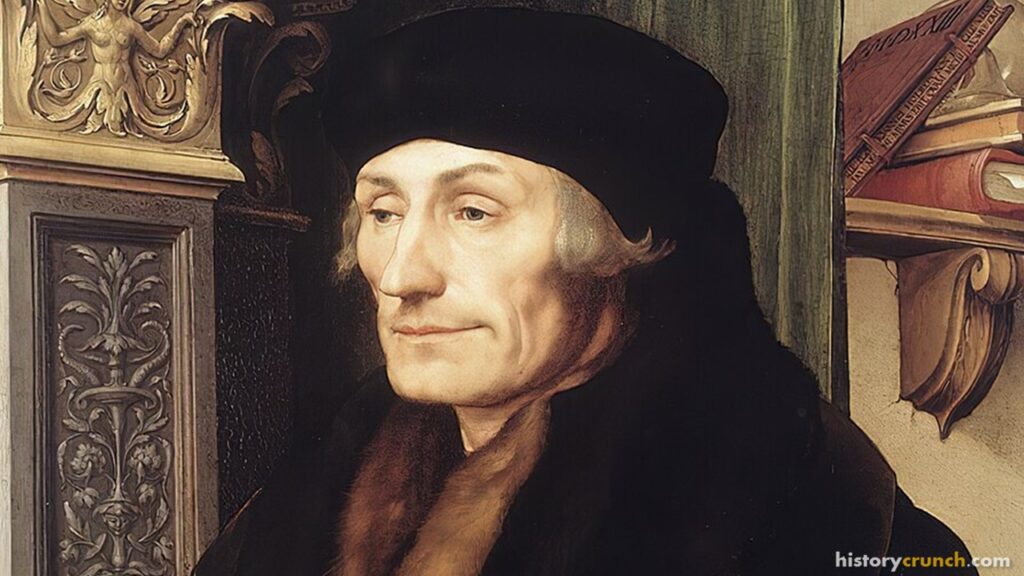
As time passed through the 14th, 15th and 16th centuries, the ideals of Renaissance Humanism spread out of Italy and to the rest of Europe, including: France, England and the Germanic kingdoms. For example, Erasmus (or Desiderius Erasmus Roterodamus) was a Dutch humanist that played a significant role during the Renaissance in Europe. He is the most famous Christian humanist of the Renaissance and is considered by many to be ‘the greatest scholar of the Northern Renaissance’. He lived from 1466 until 1536 and was a lifelong supporter of the Catholic Church. With that said, he often argued against abuses carried out by the church and instead promoted a focus on traditional faith. For example, during the events of the Protestant Reformation in Europe he continued to support the authority of the pope and argued instead for reform. He is most famous for his work as a writer and the translations he provided of ancient works, including the Bible. For example, he is credited with writing new Latin and Greek versions of the Bible. He also translated the works of other notable ancient scholars, including: Cicero and Aristotle. Erasmus is an important Renaissance Humanist because he promoted ancient Greek and Roman knowledge and its importance.
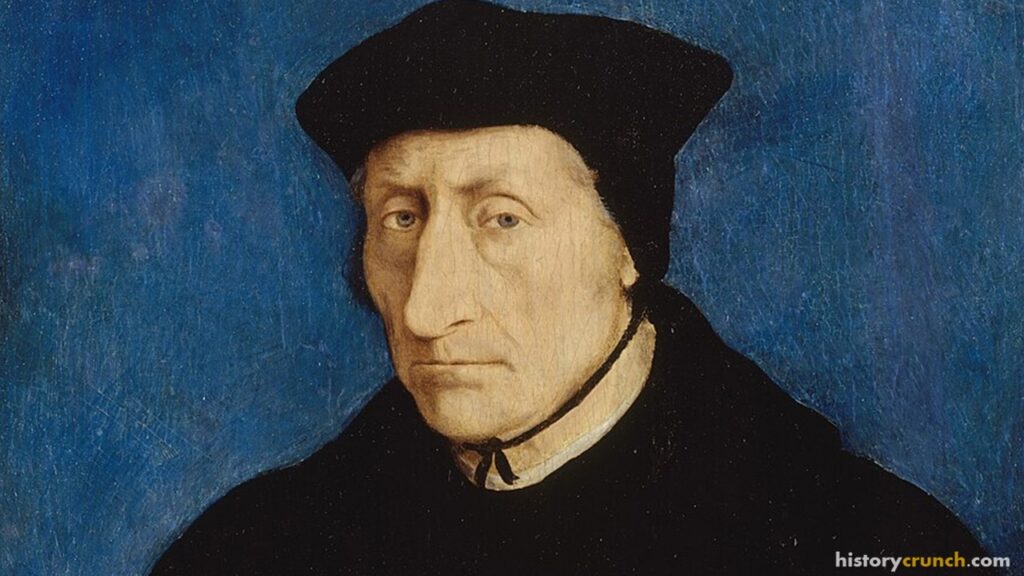
The Italian Renaissance and humanist values also spread to France in the 15th century. For example, Guillaume Budé was a French scholar and humanist who lived from 1467 until 1540. He is most famous for writing extensively about the importance of ancient writing on matters related to law and finance. For instance, he argued against using interpretations of ancient texts and instead suggested that the original Greek or Roman texts should be studied and used alone. Furthermore, he was the royal secretary to King Francis I of France, who was vitally important to the establishment of the Renaissance in France. Francis I is credited with sparking the French Renaissance because he was a patron of the arts and inspired several prominent Italian artists to come to France. The best example of this is when Leonardo da Vinci went to France and brought with him the famous Mona Lisa painting. The Mona Lisa remains in France to this day in the Louvre Museum in Paris.
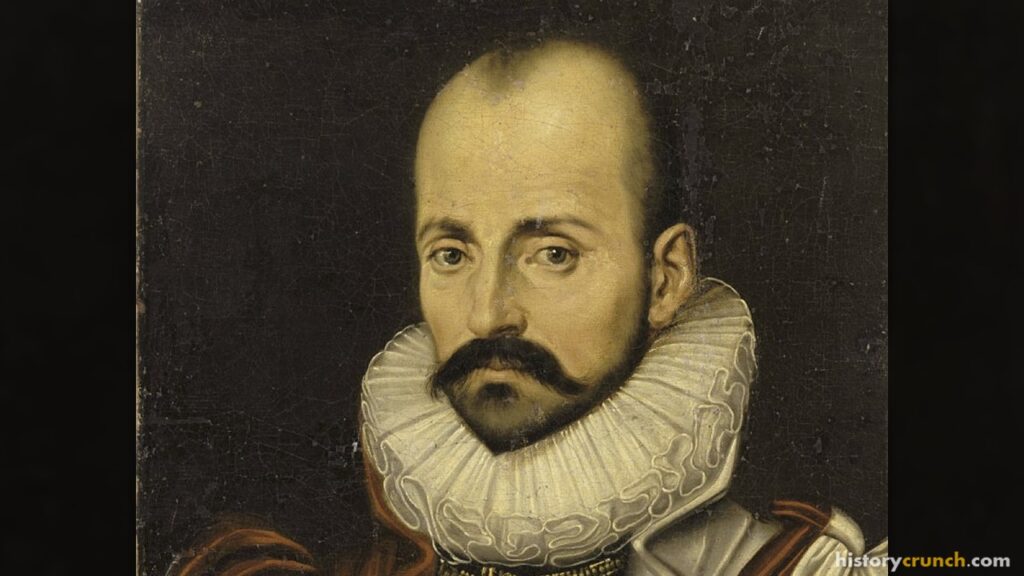
Another important figure in the French Renaissance was writer and philosopher Michel de Montaigne. He lived from 1533 until 1592 and is credited with popularizing the essay as a writing style. He had a profound influence on writers that followed him, including: Francis Bacon, Jean-Jacques Rousseau, Friedrich Nietzsche, and even William Shakespeare. Born in France, Montaigne used his essay writing style to question ideas in a logical manner and promoted the notion of self-awareness. This focus on logic and questioning made him an influential humanist in France during the Renaissance.
In conclusion, the Renaissance Humanism was the study of ancient Greek and Roman texts with the goal of promoting new norms and values in society. These norms and views varied from those at the time because they focused less heavily on a religious worldview. Instead, Renaissance humanists used ancient texts to promote a worldview based on logic and reason.