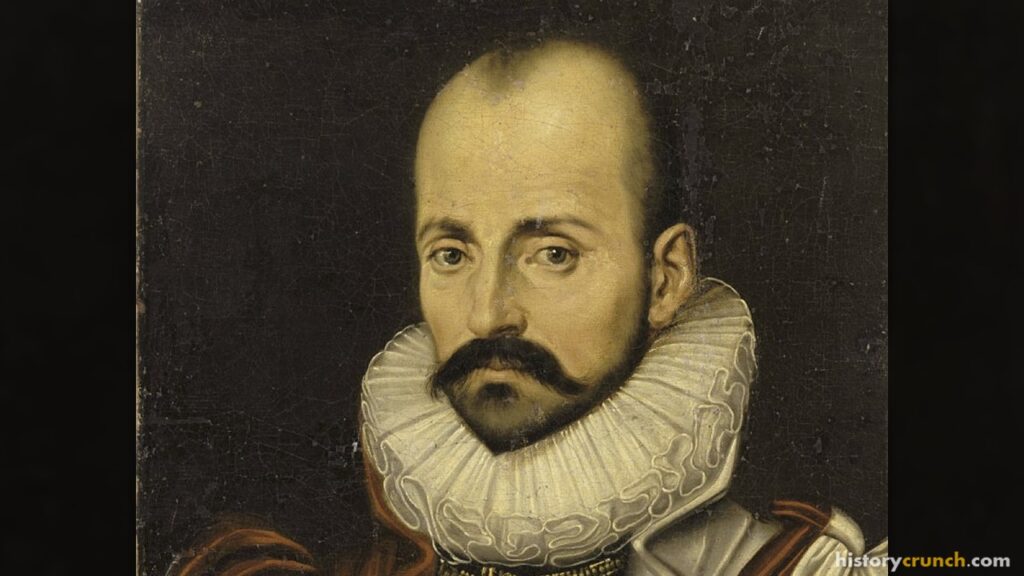
Michel de Montaigne was an important scholar and philosopher of the French Renaissance. Today he is best known as a Renaissance Humanist who developed the essay as a form of communication. Montaigne’s writings emphasized skepticism, self-reflection, and the complexity of human behavior. This made him a foundational figure in modern thought, and an important scholar from the Renaissance.
MICHEL DE MONTAIGNE – EARLY LIFE
Michel de Montaigne was born on February 28th, 1533 on his family’s estate near Bordeaux, France. He was born to a wealthy family as his great-grandfather had established a fortune as a herring merchant. Michel’s father, Pierre Eyquem, had worked as a French soldier and served as mayor of Bordeaux for a period of time.
Michel de Montaigne was educated from an early age in the ideals of Renaissance Humanism. This included learning the language of Latin, which hi father hoped to make his son’s primary language. For instance, Michel’s father supposedly hired only staff at the family estate that could speak Latin and instructed them to speak to Michel in Latin only. This includes a tutor that was hired to teach Michel as a young boy.
MICHEL DE MONTAIGNE – ESSAY FORMAT
In 1539, Michel de Montaigne was sent to study Latin at a boarding school in Bordeaux, France. Soon after, in 1546, he studied law at the University of Toulouse and after completing his studies began a career in the legal profession. In the years that followed, he began to develop his famous Essais (Essays). First published in 1580, the book covers a wide range of topics in Michel de Montaigne’s famous essay format. Many of the works included in the book date from between 1570 and 1580, with later editions containing writings by Montaigne up until 1592 with his death. His essays were exploratory journeys in which he works through logical steps to bring skepticism to what is being discussed.
MICHEL DE MONTAIGNE – RENAISSANCE
Since, Montaigne is today remembered for his role in the Renaissance it is important to understand the basic history of this famous historical event. The Renaissance is an important event in European history that stretched from the 14th century to the 17th century. It was preceded by the Middle Ages in Europe and eventually led to the major events of the Age of Enlightenment. In historical terms the Renaissance is important because it led to a major shift in European thought and worldview. The most significant changes that emerged as a result of the Renaissance can be seen in European architecture, art, literature, mathematics, music, philosophy, politics, religion and science. Intellectual thought in these fields flourished during the timeframe of the Renaissance and led to many people questioning long held beliefs about each. This created an environment of discovery and curiosity in which new ideas were constantly being introduced and tested. One such new idea or worldview that developed during the time of the Renaissance was called humanism.
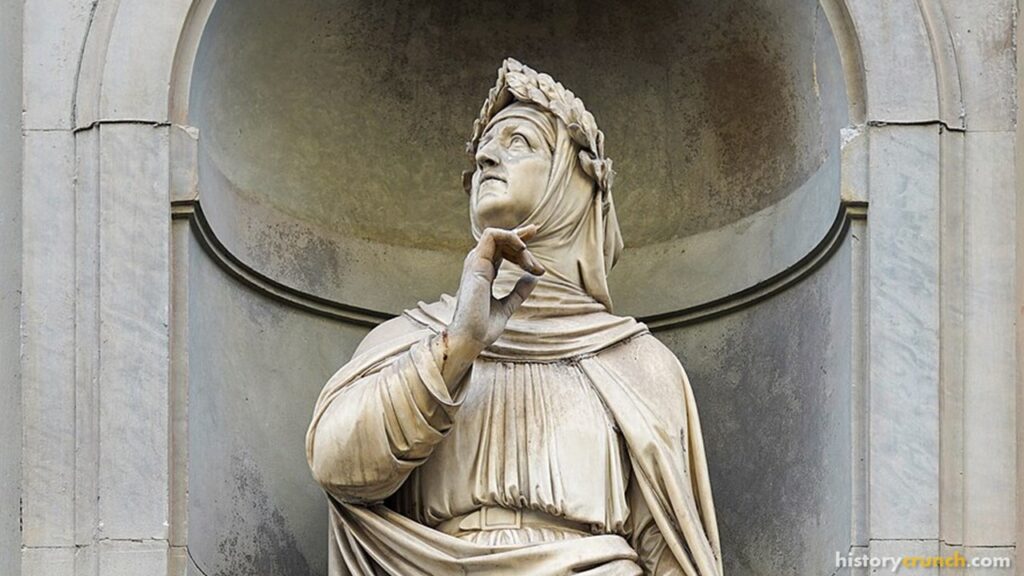
One of the main features of the Renaissance was the rediscovery by European thinkers of ancient Greek and Roman ideas and texts. For example, the term ‘renaissance’ in French means ‘rebirth’. This is in relation to the idea that the intellectual culture of the Renaissance was sparked by the rediscovery of these ancient philosophies and ideas which had largely been ignored in Europe throughout the Middle Ages. Many of these ancient texts were preserved by Islamic and Jewish cultures in the Middle East and were not rediscovered by Europeans until the time of the Renaissance. More specifically, famous Italian Renaissance scholar and humanist Petrarch is remembered for rediscovering the earlier work of Roman philosopher Cicero. Later scholars such as Montaigne are credited with helping to spread the humanist ideas out of the Italian peninsula and into northern Europe. His famous Essais helped to do this as they created a form from which humanist ideas could be structured and spread to others.
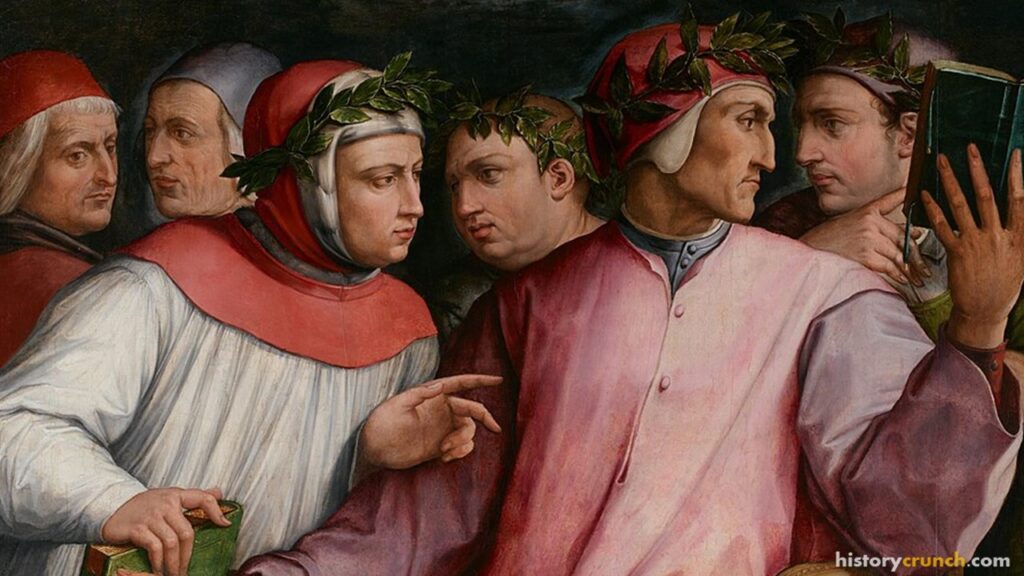
In general, Renaissance Humanism was the study of ancient Greek and Roman texts with the goal of promoting new norms and values in society. These norms and views varied from those at the time because they focused less heavily on a religious worldview. Instead, Renaissance humanists such as Montaigne used ancient texts to promote a worldview based on logic and reason. As well, Renaissance humanists promoted the idea that citizens should be educated in these topics in order to allow them to participate in the social and political life of their society. This was a fundamental shift from the feudalistic and religious life that was the reality for most people in the Europe in the Middle Ages.
MICHEL DE MONTAIGNE – DEATH AND SIGNIFICANCE
Montaigne died at the age of 59 on September 13th, 1592 on his family’s estate, where he was born. He had a profound influence on writers that followed him, including: Francis Bacon, Jean-Jacques Rousseau, Friedrich Nietzsche, and even William Shakespeare. Born in France, Montaigne used his essay writing style to question ideas in a logical manner and promoted the notion of self-awareness. This focus on logic and questioning made him an influential humanist in France during the Renaissance.