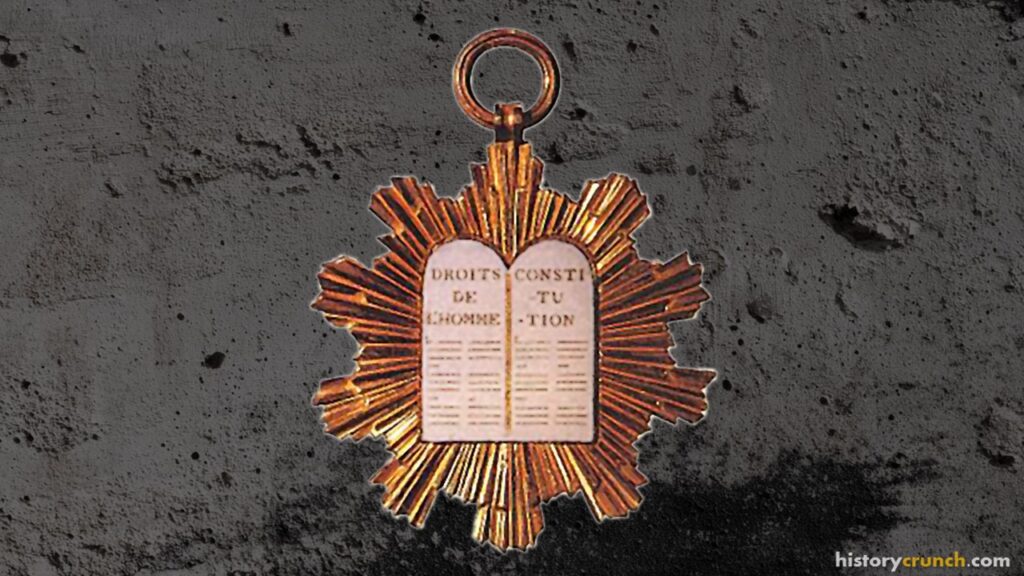
The Legislative Assembly of the French Revolution was formed in 1791 as part of France’s new constitutional monarchy, replacing the National Constituent Assembly. It had the power to create laws and declare war, but the king retained veto power, which limited the effectiveness of the Legislative Assembly. The Assembly was divided into political factions, including radicals, moderates, and conservatives, each with different visions for France’s future.
GOVERNMENTS OF THE FRENCH REVOLUTION
Beginning in 1789, the French Revolution saw the French people overthrow their absolute monarchy and bring about a republic that was based on the principles of equality, liberty and fraternity. Throughout the years of the revolution, there were four different revolutionary governments, including: National Assembly, Legislative Assembly, National Convention and the Directory.
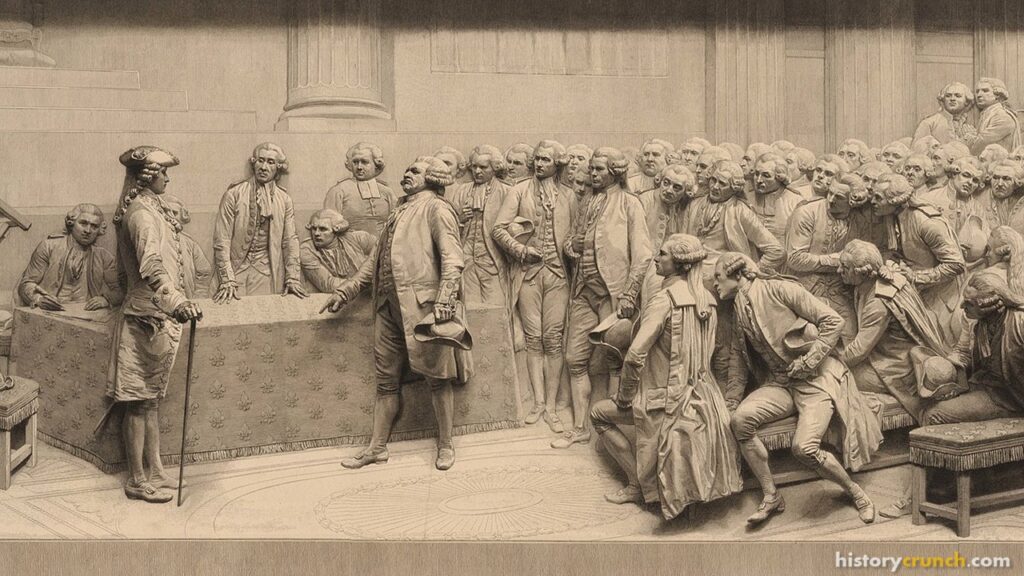
LEGISLATIVE ASSEMBLY (FRENCH REVOLUTION) – SUMMARY
The Legislative Assembly followed the National Assembly and lasted from October of 1791 until September of 1792. The Legislative Assembly consisted of 745 members with most members coming from the middle class of French society. The assembly was divided between members that were on the left and members that were on right but the Jacobin Club made up a considerable portion of the membership. In general, the Legislative Assembly was plagued with problems from the beginning.
First, it still had to contend with the financial crisis facing France at the time. One of the main causes of the French Revolution was the economic crisis that France slipped into under the rule of Louis XVI. The National Assembly had failed to fully solve these issues and as such, the Legislative Assembly still faced the same economic uncertainty.
Second, The National Constituent Assembly had established France as a limited constitutional monarchy. Essentially, this form of government allowed Louis XVI to remain the head of state of France, but limited his powers by the Constitution of 1791. One of the remaining powers that Louis XVI still had was veto power. This meant that he could veto and stop any proposed laws by the Legislative Assembly. The king exercised his veto powers in a few instances during this time. For example, he vetoed a proposed reform that clergy must take a civic oath or face a loss of their pension or possible exile. The king’s use of his veto power angered the representatives of the Legislative Assembly and displayed the troubles facing the assembly.
In the short time that the Legislative Assembly existed, it struggled to pass reforms, faced the threat of war from other European nations and had to deal with lingering economic issues. Therefore, the Legislative Assembly dissolved in September of 1792 and was replaced by the much more radical National Convention. The French Revolution had entered into a dark and violent time period.