The International Criminal Court (ICC) is an international organization that is located in The Hague, Netherlands. It is tasked with prosecuting individuals for several different acts, including: genocide, crimes against humanity, war crimes and crimes of aggression. The term ‘genocide’ is defined as a mass killing of a certain group of people based on their religion, ethnicity or cultural background. There have been many significant genocides in history, such as: Armenian Genocide, Holodomor, Nanking Massacre, Holocaust, Cambodian Genocide, Bosnian Genocide and the Rwanda Genocide. The term ‘crimes against humanity’ is considered to be when a group of people are subjected to humiliation, suffering and death on a mass scale by another group. The term ‘war crimes’ is when a person or group of people commit extreme acts during a time of war that are considered to be beyond what is acceptable. Finally, the term ‘crimes of aggression’ relates to when a person plans and carries out an aggressive act that causes military invasion and a use of force.
HISTORY OF THE INTERNATIONAL CRIMINAL COURT
The International Criminal Court (ICC) was established in 2002 in The Hague, Netherlands. The ICC was created at a Conference in Rome in 1998 and the treaty that was agreed upon at the time is now called the Rome Statute of the International Criminal Court. Not only did the Rome Statute create the ICC but it also laid out the framework for how the ICC was structured and its jurisdiction over the crimes listed above. (Genocide, crimes against humanity, war crimes and crimes of aggression.) By signing and agreeing to the terms of the Rome Statue, countries became member nations of the ICC. As of 2019, there are 122 member nations of the ICC, including: Australia, Brazil, Canada, Germany, Italy, Mexico, and the United Kingdom. The United States signed the Rome Statue but did not ratify its terms, meaning they are not legally bound by the ICC. The United States did this because it did not agree with all of the decisions and jurisdictions of the ICC.
The International Criminal Court was established because nations of the world recognized a need for a governing body that could oversee the prosecution of individuals responsible for terrible acts. For example, at the end of World War II the Allied nations sought a way to bring Nazi and Japanese officials to justice for their crimes. What resulted was the Nuremberg Trials and the International Military Tribunal of the Far East.
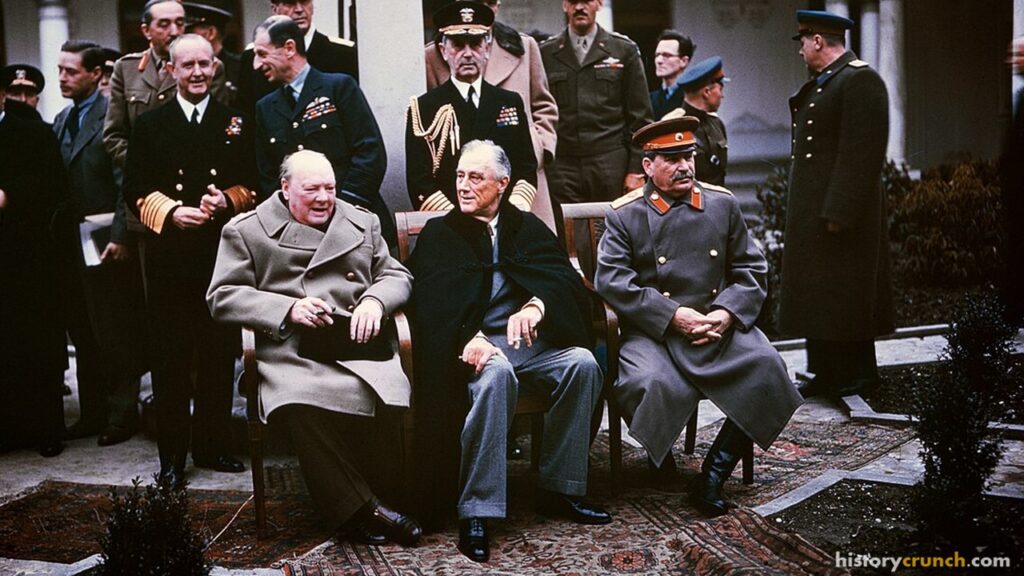
During World War II, the Allied powers met several times to discuss post-war Europe and how to bring the Nazis to justice. For example, three significant conferences were held including: the Tehran Conference in 1943 and the Yalta Conference and Potsdam Conference in 1945. In general, the leaders initially disagreed on how to carry out justice. Winston Churchill of Britain and Joseph Stalin of the Soviet Union favored summary executions, meaning the officials would be killed without a trial. Whereas, U.S. President Franklin D. Roosevelt, and later Harry S. Truman, were in favor of a formal trial to ensure the collection and presentation of evidence in order to prove guilt. Eventually, the other leaders agreed with the American approach and the nations set out to establish the system of trials. The trials were established in the German city of Nuremberg after the conclusion of World War II.
The Nuremberg Trials began on November 19th, 1945 with indictments against twenty four captured Nazis and different Nazi organizations, including: Nazi leadership, the SS, the Gestapo, and the SA. The first charge was that the Nazis participated in a conspiracy to wage war and end the peace following World War I. The second charge was that the German leadership planned and carried our wars of aggression. The third charge was for war crimes and the fourth charge was for carrying out crimes against humanity. Of the twenty four Nazis tried at the Nuremberg Trials only five were found not guilty. The other nineteen were convicted and either sentenced to prison terms, including life in prison, or given a death sentence.
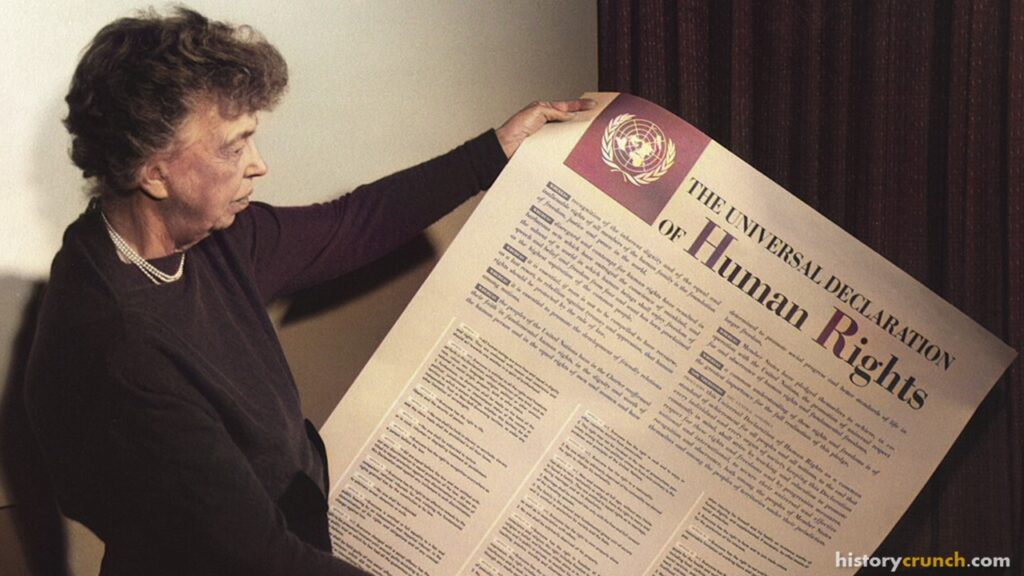
The Nuremberg Trials were a significant because they were the first such ‘international’ trial and established a model for future trials. As well, the Nuremberg Trials helped establish a renewed interest in human rights issues. For instance, the United Nations was established with the goal of preventing similar future conflicts. Furthermore, the United Nations created the Universal Declaration of Human Rights in 1948 with the goal of restoring faith in basic human rights and to avoid future related war crimes, crimes against humanity and genocides.
Alongside the Nuremberg Trials also occurred the International Military Tribunal of the Far East. In August of 1945, following the atomic bombing of Hiroshima and Nagasaki, Japan formally surrendered and World War II came to an end. With the end of the war, there was a series of criminal trials carried out to hold war criminals responsible for their actions. While the most famous of these trials was the Nuremberg Trials, the International Military Tribunal of the Far East was also important. In relation to the Nanking Massacre, Japanese officials were brought before the International Military Tribunal of the Far East. For example, General Iwane Matsui who led the attack against Nanking was arrested and put on trial for his role in the massacre. In general, he denied knowing about the murders and rapes and blamed it on the actions of lower level commanders. Regardless, he was convicted and sentenced to death by hanging, a lot with other Japanese officials. He was executed on December 23rd, 1948 at the age of 70.
Following the events of World War II and the Holocaust, there were many more acts of genocide, crimes against humanity, war crimes and crimes of aggression throughout the 20th century. As a result, nations of the world pushed to create a standardized set of international laws and a criminal court to deal with the accused criminals. As a result, the International Criminal Court was eventually established in 2002 following the Rome Conference in 1998.
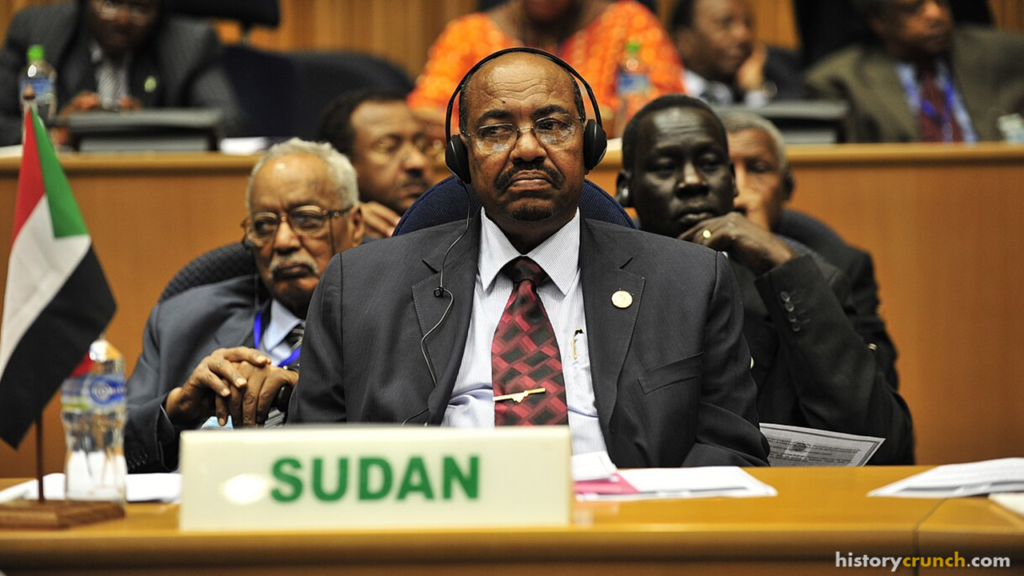
As of 2019, the ICC has dealt with 11 different situations related to crimes in Burundi, Darfur, Democratic Republic of the Congo, Kenya, Libya, Mali, and Uganda. As well, the ICC has formally charged 44 people, and issued arrest warrants for 36 people. For instance, the ICC has issued an arrest warrant for the Former President of Sudan, Omar al-Bashir, for his role in the major events of the Darfur Genocide.
HOW DOES THE INTERNATIONAL CRIMINAL COURT OPERATE?
The International Criminal Court has four main sections to its structure, which are referred to as ‘organs’. First, is the Presidency, which is held by three individuals (President and two Vice-Presidents) who are responsible for ensuring the ICC operates appropriately. The three individuals are judges who are voted into their positions by the other judges of the ICC. Second, is the Judicial Divisions, which is made up of 18 judges who are organized into three different chambers. The three chambers include: Pre-Trial, Trial, and Appeals. Judges are elected to the court by member nations. These judges carry out the procedures of the ICC and ensure accused receive a fair trial. Third, is the Office of the Prosecutor, which is made up of individuals who work to investigate and carry out prosecutions against those accused of crimes. Fourth, is the Registry, which is staffed with individuals who carry out the non-justice related aspects of the ICC, such as administration matters.
As stated above, the ICC has jurisdiction over genocide, crimes against humanity, war crimes and crimes of aggression. While the ICC is headquartered in The Hague, Netherlands, it is able to carry out the trials in any location. The ICC is financed by the many different member nations, which most contributions coming from the European Union, Japan, Canada, Australia, New Zealand and Latin America.
When an accused person is brought before the ICC, they are given a trial by three judges. The trial is conducted similar to other trials with inclusions of evidence, testimony from victims and accounts from witnesses. The accused is provided a lawyer and access to a proper defense. The final outcome is the result of the majority decision of the three judges. The most severe sentence that the ICC can deliver is a life sentence of imprisonment; however, that is generally only used in extreme circumstances. In general, the sentences of imprisonment cannot exceed 30 years. The ICC may also order a person who is convicted to deliver reparations to the victims, such as monetary compensation. As with other courts, a person found guilty by the ICC may seek appeal of their case.

INTERNATIONAL CRIMINAL COURT – PRAISE AND CRITICISM
The International Criminal Court (ICC) has been both praised and criticized throughout its history. For example, many have praised the ICC for allowing a method of holding those accountable of terrible crimes. Prior to the existence of the ICC there were only a limited number of ways for individuals to be held responsible for war crimes, crimes against humanity and crimes of aggression. However, the establishment of the ICC has allowed these types of criminals to be convicted. As a result, some people praise the ICC for its role in promoting international security and protecting basic human rights. However, some people and countries are very critical of the ICC.
As of 2019, the ICC has 122 member nations. However, not all countries of the world have supported the jurisdiction and authority of the ICC, and as such it has faced severe criticism. For example, some African nations have accused the ICC of focusing to heavily on criminals from poorer nations and ignoring the crimes committed by individuals from wealthier Western nations. Also, other countries, such as the United States, have argued that the ICC lacks the necessary checks and balances to ensure that the ICC does not carry out trials based on political influence. Third, the ICC has been criticized for being too limited in who they bring to justice. For example, the ICC focuses on individuals and their roles in terrible acts, but does not treat governments or government agencies the same. Finally, some have been critical of the ICC, for unintentionally causing those accused of crimes from giving up their positions of power. This is because the accused would fear facing justice for their crimes and would in turn hold on to their power longer, causing more harm to those around them.