France was one of the major European nations to take part in the Age of Exploration. Inspired by the growing wealth of its rivals, France began sending explorers to the New World in the early 16th century, focusing its efforts primarily on the northern reaches of North America. French explorers mapped vast stretches of the Canadian coastline and interior, established early colonies, and built the foundations of what would become New France, a colonial empire that stretched across much of northern North America.
What Was the Age of Exploration?
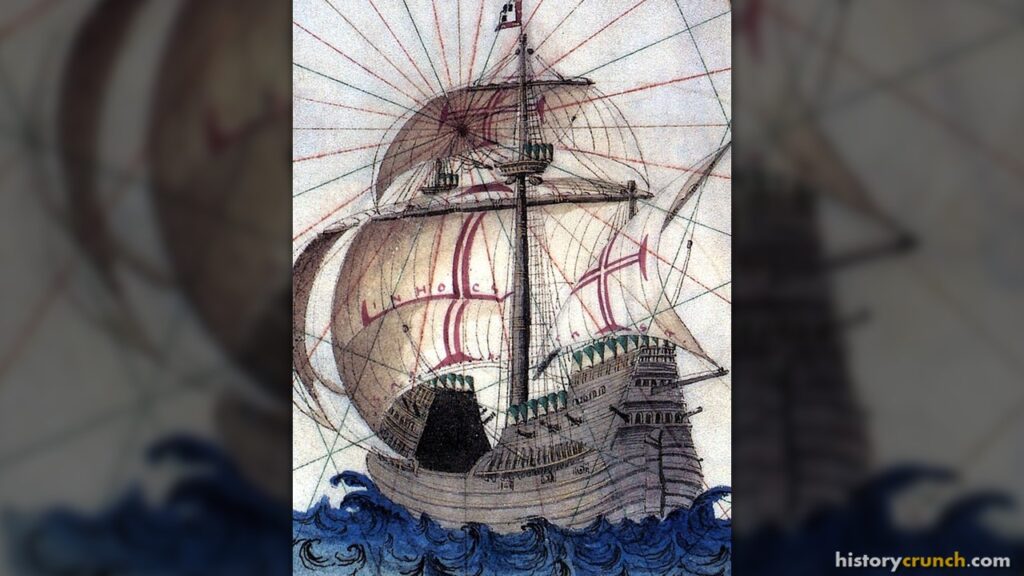
The Age of Exploration, also known as the Age of Discovery, was a period in history that began in the early 15th century and continued until the end of the 17th century. During this time, European nations sent explorers across the world’s oceans in search of new trade routes, new lands, and new sources of wealth. The Age of Exploration fundamentally changed the relationship between Europe, Africa, Asia, and the Americas, and is considered one of the most important events in the history of the western world. The four European nations most closely associated with the Age of Exploration were Portugal, Spain, France, and England. Each of these countries shared an important advantage: they all bordered the Atlantic Ocean and had access to experienced sailors, well-developed sea ports, and the financial resources needed to fund long ocean voyages. Improvements in ship design, including the development of new vessels such as the carrack and the caravel, also made it possible for explorers to travel further than ever before and carry larger amounts of cargo on their journeys.
Why Did France Explore?
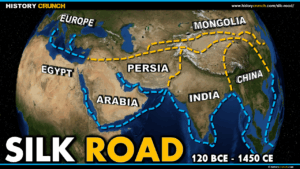
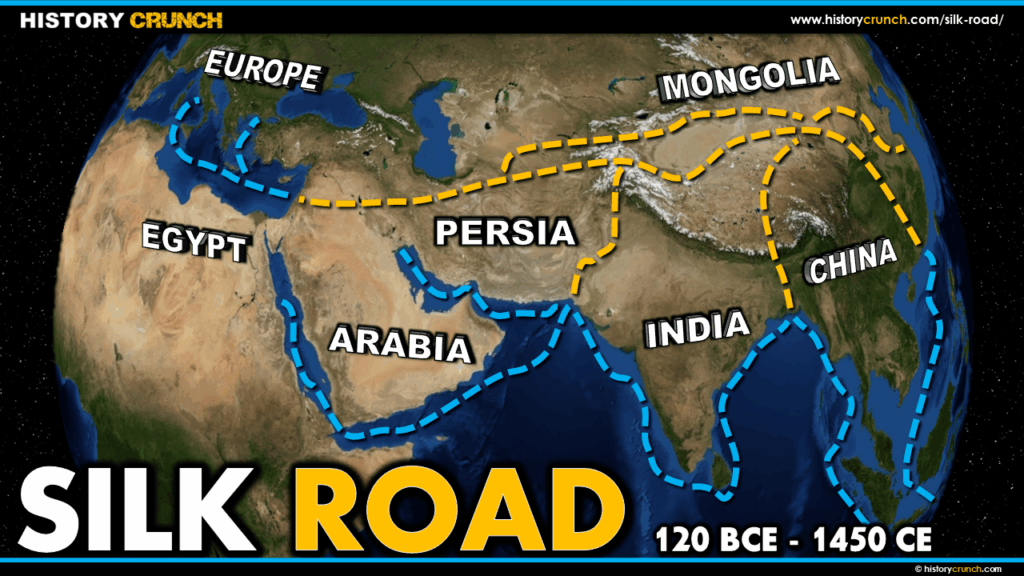
France’s involvement in the Age of Exploration was driven by several important factors. Like other European nations of the time, France was eager to find new sea routes to the wealthy trading partners of the Far East, particularly China, India, and Japan. European countries had long relied on the Silk Road to conduct trade with these distant regions, but the overland journey was slow and costly. Finding a faster sea route would give France a major economic advantage over its rivals.
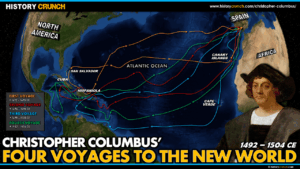
However, France was a relatively late entrant into the Age of Exploration. In the early decades of the 15th century, while Portugal was sending sailors down the African coast and Spain was funding the voyages of Christopher Columbus, France had not yet committed to a major program of overseas exploration. This changed as the 16th century progressed and it became clear just how much wealth Portugal and Spain were accumulating from their discoveries. France watched both countries grow rich from their overseas ventures and became determined to claim its own share of the New World’s resources. French monarchs began funding expeditions westward across the Atlantic, with a particular focus on finding a passage through North America to Asia and on establishing French colonies that could generate wealth through the fur trade and other resources. France’s Atlantic coastline and its experienced maritime communities, particularly in the port towns of Brittany and Normandy, provided the sailors and ships needed to begin this program of exploration.
Jacques Cartier and the Exploration of Canada
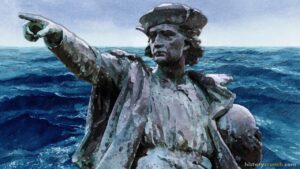
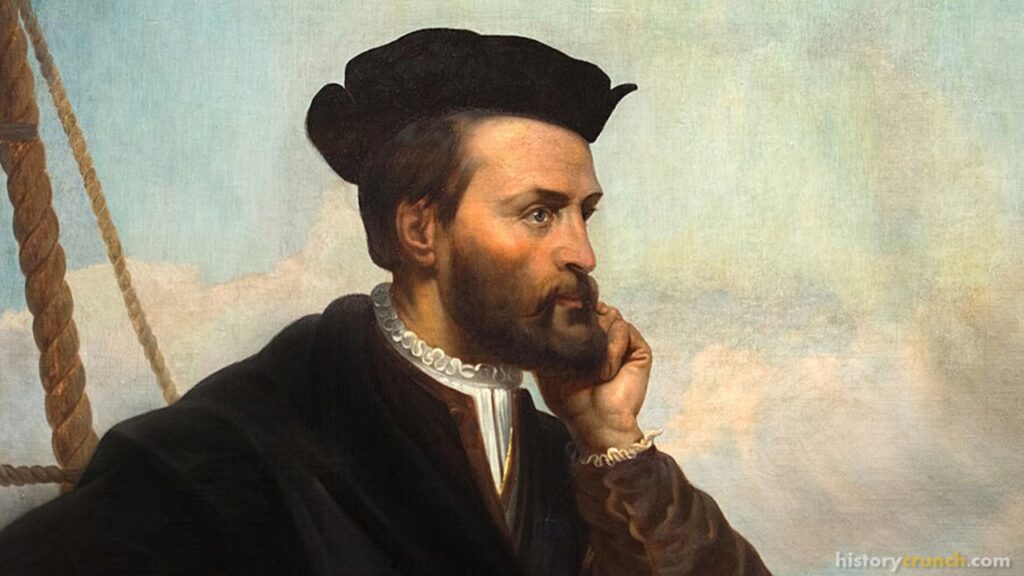
The most famous French explorer of the Age of Exploration was Jacques Cartier. Cartier was born in Saint-Malo, Brittany on December 31st, 1491. He became a skilled sailor and mariner, and after his marriage improved his social standing and financial situation, he was able to pursue a career as an explorer. He was commissioned by the French king to find a western passage for trade between Europe and Asia, with the king particularly interested in discovering gold and spices.
Cartier’s first voyage set sail on April 20th, 1534. He and his crew took 20 days to reach the New World, and upon arriving Cartier made contact with several indigenous groups and traded with them. After only a couple of months exploring, he returned to France in September of 1534, bringing two indigenous captives with him. His first voyage had not found a passage to Asia, but it had established important early contact with the lands that would become Canada.
Cartier’s second voyage set sail in 1535 with a fleet of three ships and over 110 crew members. This expedition took him much deeper into the continent. He explored the land of modern-day Canada and became the first European to describe and map the Gulf of Saint Lawrence and the Saint Lawrence River. The voyage was not without difficulties, as river rapids and thick ice blocked many of the routes Cartier had hoped to navigate, preventing him from finding the passage to China he had been sent to locate. He returned to Europe in 1536 with gold and other goods from the New World.
Cartier’s third and final voyage set sail in 1541 and lasted one year. On this expedition the goal had shifted away from finding a passage to Asia and toward helping establish a French colony in the region. Cartier claimed the land of modern-day Canada for France and planted crops to support future colonization efforts. He and his fleet returned to France in 1542. Despite his efforts, a permanent French colony did not appear on Canadian shores until 1609, more than half a century after Cartier’s final voyage. Cartier spent the remainder of his life in Saint-Malo, where he worked occasionally as a Portuguese interpreter, and he died on September 1st, 1557, at the age of 65. His three voyages were enormously significant because they gave France its early claim to the territories of Canada and laid the groundwork for all later French colonization in North America.
Giovanni da Verrazzano and the Exploration of the Atlantic Coast
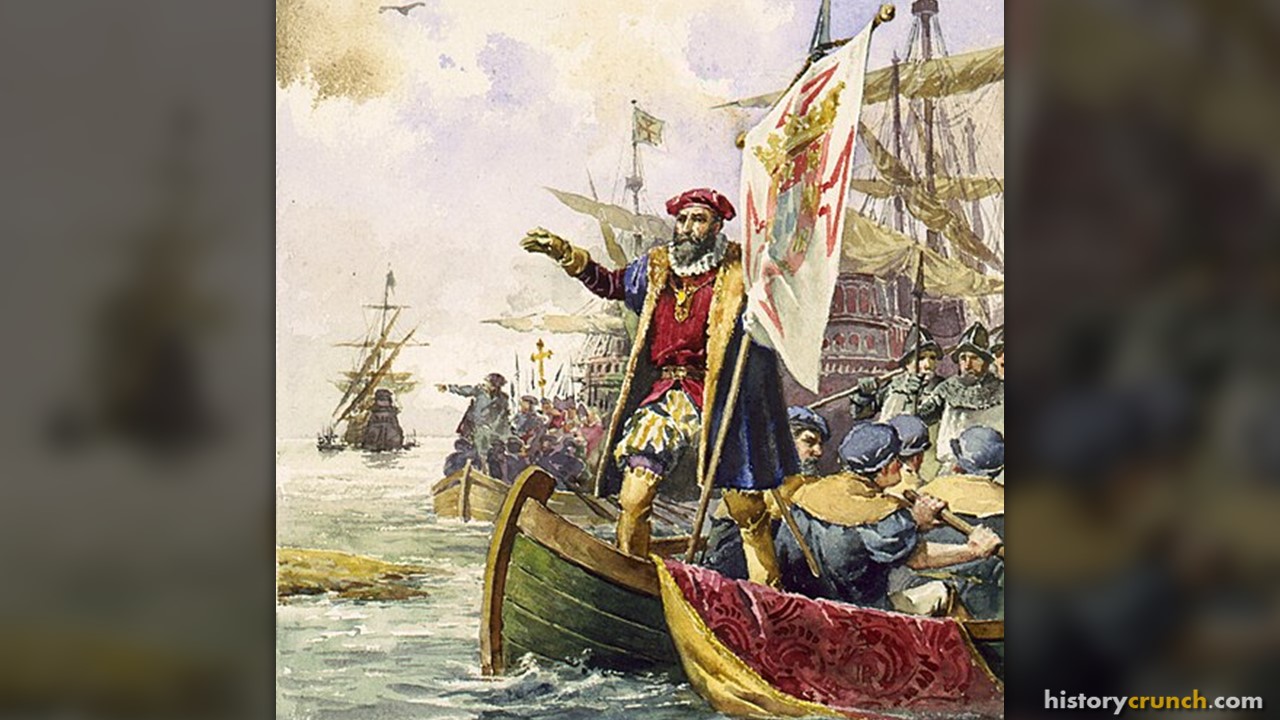
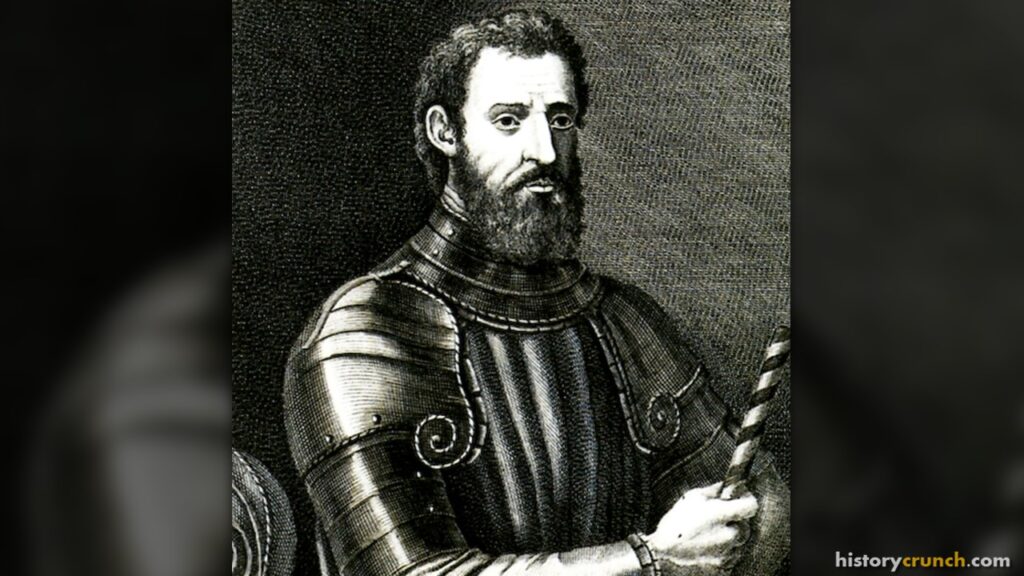
Another important explorer who sailed in the service of France was Giovanni da Verrazzano. Like Christopher Columbus and John Cabot before him, Verrazzano was Italian by birth but sailed under the flag of another nation. He was commissioned by the French king Francis I to search for a sea route to Asia by sailing westward across the Atlantic. In 1524, Verrazzano set out from France and sailed along the eastern coast of North America, becoming one of the first Europeans to explore the coastline in any systematic way. His voyage took him along stretches of what is today the eastern United States, and he is credited with being the first European to enter what is now New York Harbor. Verrazzano’s explorations gave France valuable knowledge about the geography of the North American coastline and helped France make its early claims to territory in the region.
Samuel de Champlain and the Founding of New France
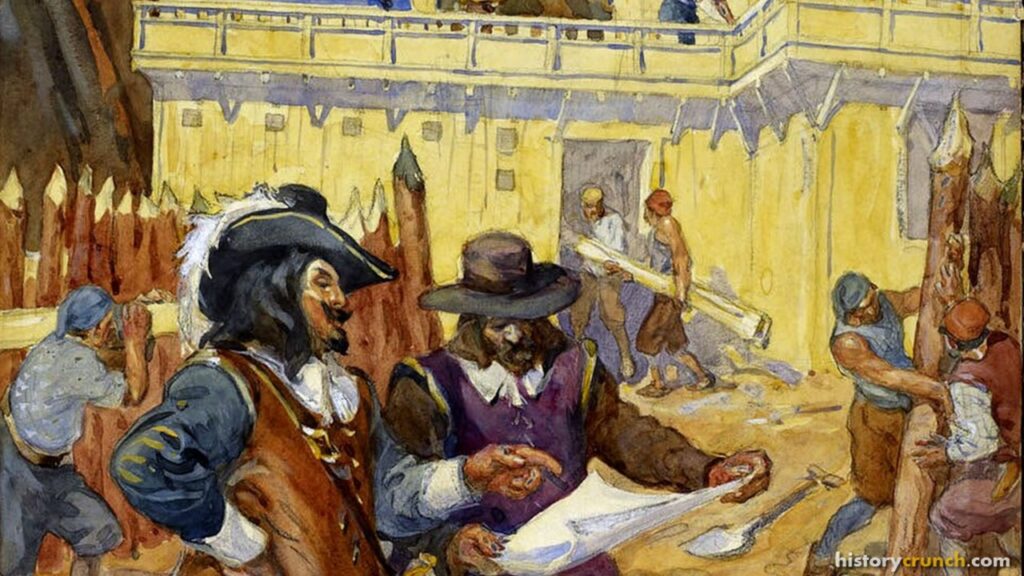
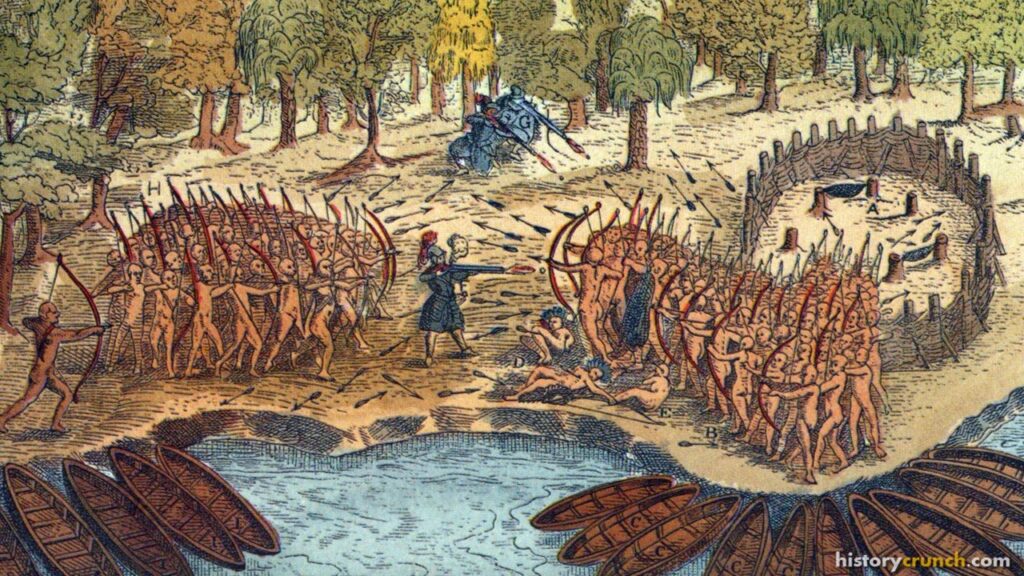
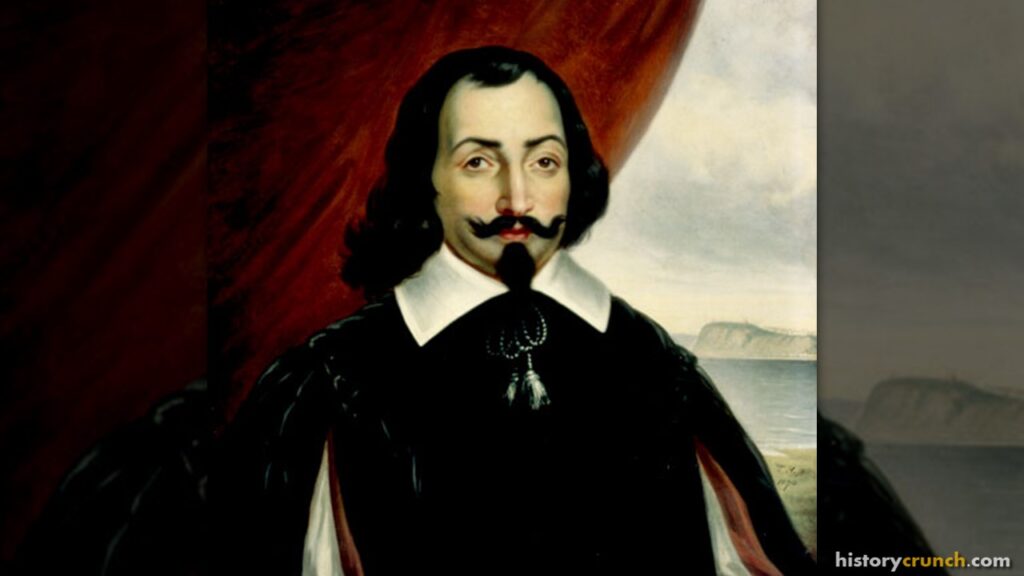
One of the most important figures in the later history of French exploration was Samuel de Champlain. Champlain was a French explorer, navigator, and cartographer who played a central role in establishing a permanent French presence in North America in the early 17th century. Where Cartier had explored and claimed territory but failed to establish a lasting colony, Champlain succeeded. In 1608 he founded the city of Quebec, which became the capital of New France and the most important French settlement in North America. Champlain also explored vast stretches of the North American interior, mapping the Great Lakes region and building relationships with various indigenous nations that proved essential to France’s success in the fur trade. He is widely remembered today as the ‘Father of New France‘ for his central role in establishing French colonial power in Canada.
France’s Empire
Through the efforts of Cartier, Verrazzano, Champlain, and other explorers, France built up a significant colonial presence in North America that became known as New France. French territory at its height stretched from the Gulf of St. Lawrence in the east, through the Great Lakes, and down the Mississippi River valley to the Gulf of Mexico. The fur trade was the economic backbone of New France, and France built extensive trading relationships with indigenous nations across the continent in order to support it. France also established settlements in the Caribbean and other parts of the world during this period, further expanding its colonial reach. However, France’s colonial empire in North America eventually came into conflict with England’s growing colonial presence on the continent, and much of New France was lost to Britain following the Seven Years’ War in the mid-18th century.
Significance of France in the Age of Exploration
Although France was slower to begin its program of exploration than Portugal and Spain, its contributions to the Age of Exploration were substantial and far-reaching. French explorers mapped thousands of miles of coastline and interior waterways in North America, established the first European claim to the territories of Canada, and built a colonial empire that left a deep and lasting mark on the continent. The French language and culture that Champlain and other colonists brought to North America are still very much alive today, particularly in the province of Quebec in Canada. At the same time, like all of the European powers involved in the Age of Exploration, France’s expansion came at a significant cost to the indigenous peoples whose lands were explored, claimed, and colonized. For all of these reasons, France’s role in the Age of Exploration remains an important and complex chapter in the history of the modern world.