Spain in the Age of Exploration is an important topic in the study of world history, especially in relation to European exploration. In fact, during the 15th, 16th, and 17th centuries, Spain emerged as one of the most powerful exploring and colonizing nations in the world. Driven by a desire for wealth, new trade routes, and territorial expansion, Spanish monarchs funded some of the most significant voyages in history. The explorers and conquistadors that sailed under the Spanish flag would go on to dramatically reshape the New World and leave a lasting impact on the entire globe that is still felt to this day.
What Was the Age of Exploration?
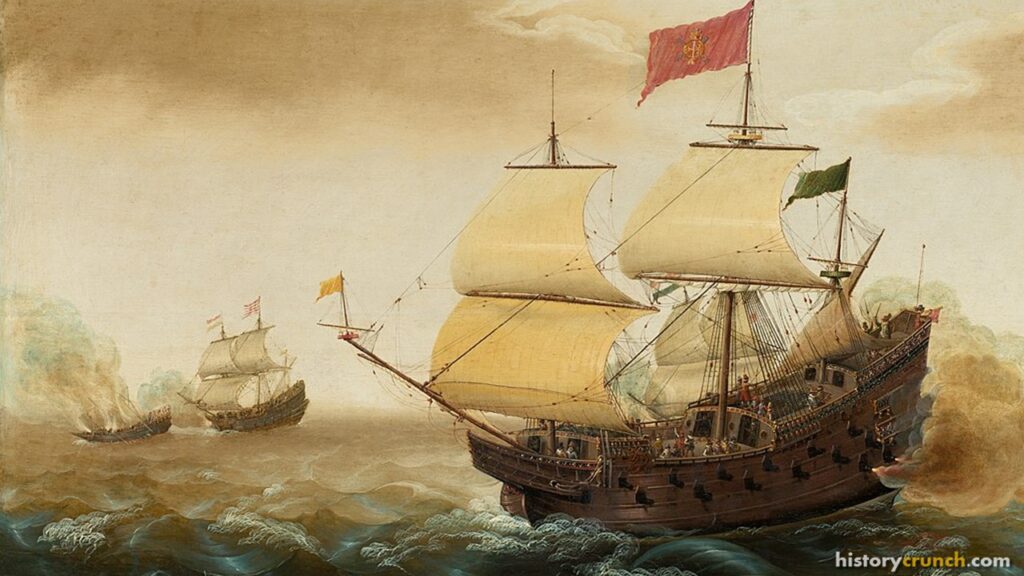
The Age of Exploration, also known as the Age of Discovery, was a period in history that began in the early 15th century and continued until the end of the 17th century. During this time, European nations sent explorers across the world’s oceans in search of new trade routes, new lands, and new sources of wealth. The Age of Exploration is considered one of the most important events in the history of the western world because it fundamentally changed the relationship between Europe, Africa, Asia, and the Americas. The four European nations most closely associated with the Age of Exploration were Portugal, Spain, France and England. Each of these countries shared an important advantage: they all bordered the Atlantic Ocean and had access to experienced sailors, well-developed sea ports, and the financial resources needed to fund long ocean voyages. Improvements in ship design, including the development of new ships such as the carrack and the caravel, also made it possible for explorers to travel further than ever before and carry larger amounts of cargo on their journeys.

Why Did Spain Explore?
Spain’s involvement in the Age of Exploration was driven by several important factors. Like other European nations of the time, Spain was eager to find new sea routes to the wealthy trading partners of the Far East, including China, India, and Japan. European countries had traditionally relied on the Silk Road to trade with these distant regions, but the Silk Road was a long and difficult overland journey that took merchants a great deal of time. Finding a faster sea route to Asia would allow Spain to speed up trade and gain a significant advantage over its rivals.
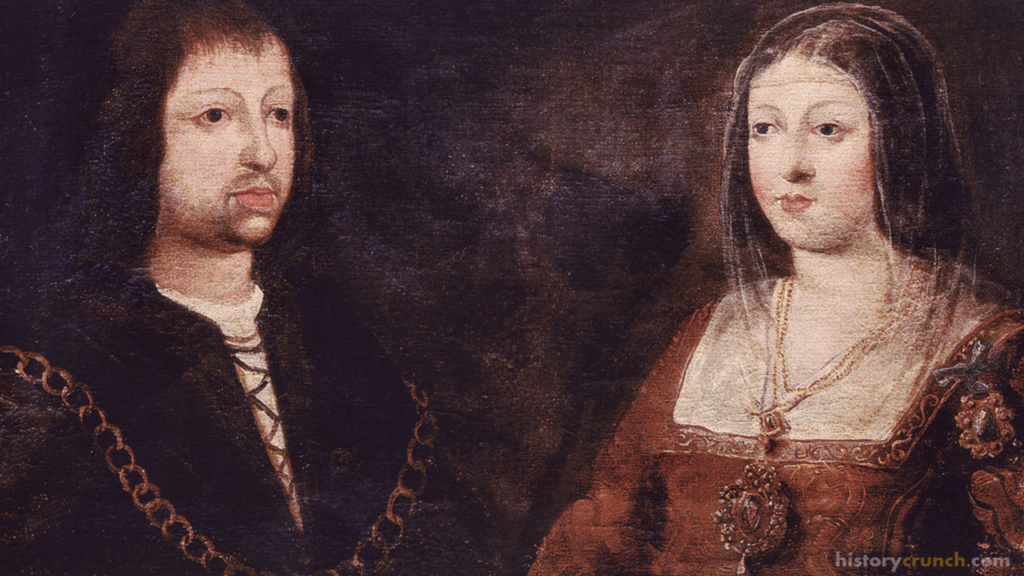
A second major reason for Spain’s involvement in exploration was the rise of powerful absolute monarchs. By the late 15th century, Spain had been unified under King Ferdinand and Queen Isabella, who centralized authority and wealth under their rule. These powerful monarchs had both the motivation and the resources to fund major overseas expeditions, and they were eager to expand Spanish territory and power on the world stage. Portugal, Spain’s neighbor, had already begun its own successful explorations along the coast of Africa, and Spain was determined to compete. Rather than following the Portuguese route south along the African coast, Spain chose to send its explorers west across the Atlantic Ocean in search of a different path to the Far East. This decision would have enormous consequences for the history of the world.
Christopher Columbus and the Voyage to the New World
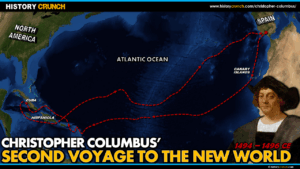
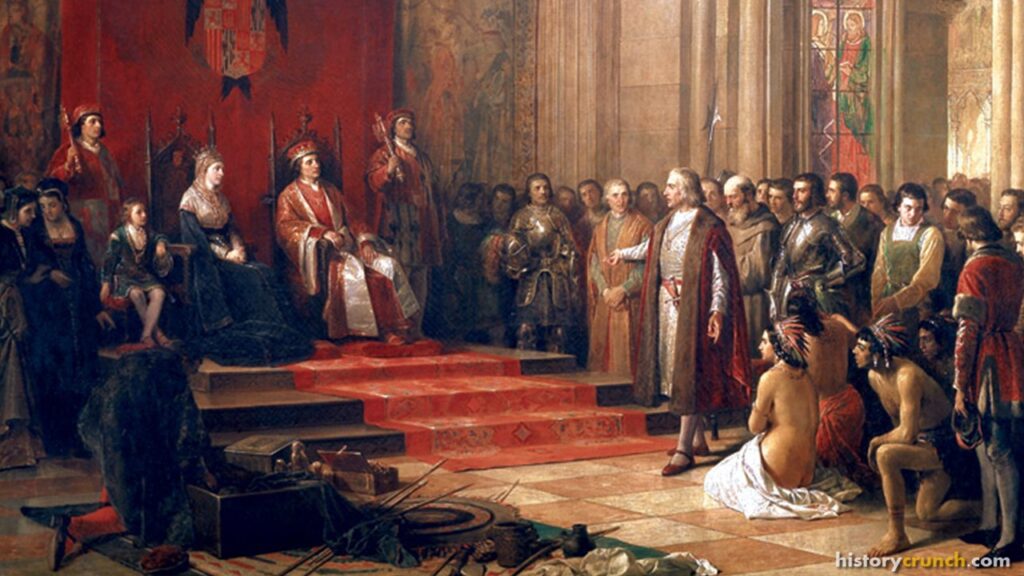
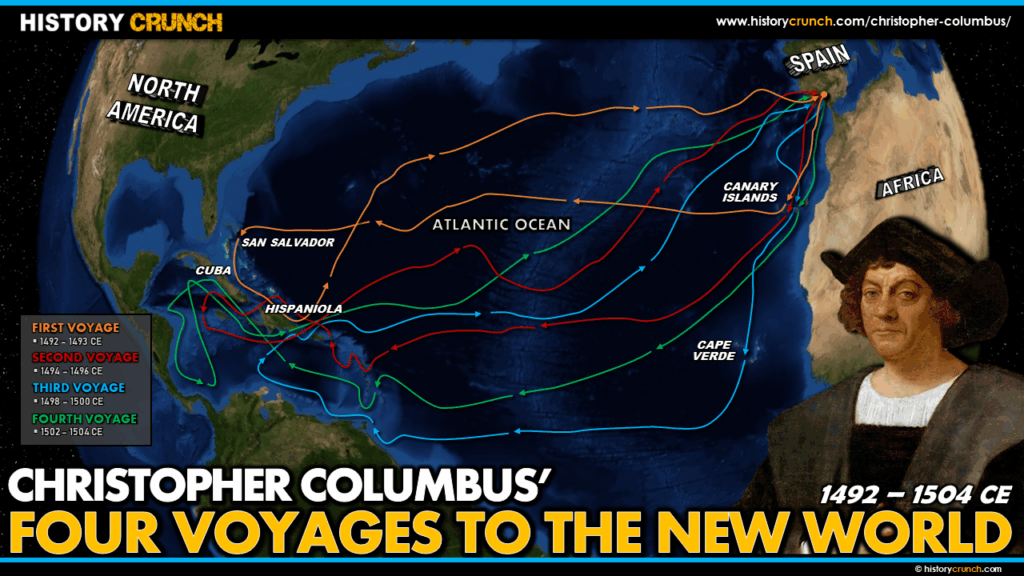
The most famous of all Spanish-funded explorers was Christopher Columbus. Columbus was born in Italy but sailed for Spain after securing funding from King Ferdinand and Queen Isabella. On August 3rd, 1492, Columbus departed from Spain with three ships, the largest of which was a carrack called the Santa Maria. After stopping at the Canary Islands to resupply, Columbus and his crew crossed the Atlantic Ocean, a journey that took approximately five weeks. Using his knowledge of Atlantic wind patterns, Columbus was able to navigate the crossing and arrive in the Caribbean in October of 1492.
Columbus believed he had reached the Far East of Asia, and he referred to the indigenous peoples he encountered as ‘indios’, a term derived from the word ‘Indian’. In reality, Columbus had arrived in the Americas, a part of the world that was almost entirely unknown to Europeans at the time. Although the Vikings had briefly reached North America some 500 years earlier, it was Columbus whose voyages truly opened the Americas to European exploration and settlement. In total, Columbus carried out four voyages to the New World between 1492 and 1503, all of them funded by the Spanish monarchs. These voyages are considered some of the most significant events in all of human history, as they set off a long period of European exploration, colonization, and settlement in the Americas. Other powerful European nations such as England, France, and Portugal were quickly inspired to carry out their own voyages to the New World after seeing the results of Columbus’s journeys.
Spanish Conquistadors
Following the voyages of Columbus, Spain sent a new wave of explorers to the Americas. These explorers were known as conquistadors, a Spanish word meaning ‘conquerors’. The conquistadors were soldiers and adventurers who traveled to the New World with the goal of claiming territory and wealth for Spain. Two of the most famous conquistadors in history were Hernan Cortes and Francisco Pizarro, both of whom carried out significant conquests that brought enormous new territories under Spanish control.
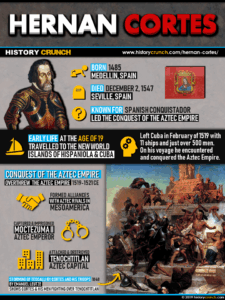
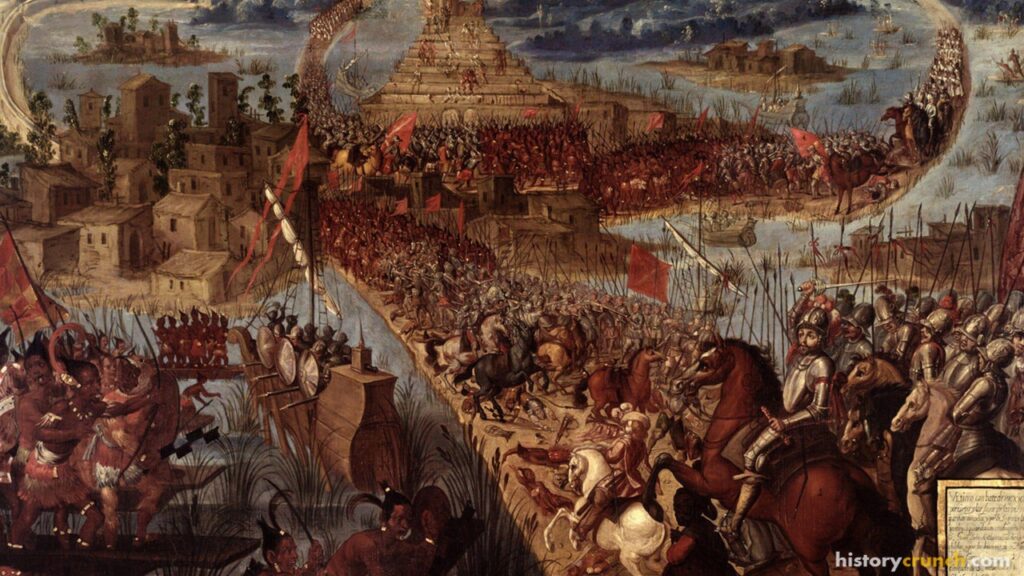
Hernan Cortes was born in Medellin, Spain in 1485. As a young man, he was drawn to the opportunities offered by the New World and set sail at just 19 years old. He eventually made his way to Cuba, where he became a magistrate in one of the first Spanish settlements on the island. It was from Cuba that Cortes launched his most famous expedition. After hearing about the powerful Aztec civilization in what is today modern-day Mexico, Cortes convinced the governor of Cuba to let him lead an expedition to the mainland. Despite being ordered to call off the voyage at the last moment, Cortes defied the order and set sail with approximately 11 ships and just over 500 men.
Upon arriving in the Yucatan Peninsula, Cortes and his forces encountered various indigenous groups, including the Tlaxcala, who were traditional enemies of the Aztec. The Tlaxcala chose to ally themselves with the Spanish, providing Cortes with an important advantage in his campaign against the Aztec capital of Tenochtitlan. Cortes also benefited from a remarkable coincidence, as his arrival happened to coincide with an Aztec prophecy about the return of the god Quetzalcoatl. This caused the Aztec leader Moctezuma II to receive Cortes with honor rather than immediate resistance, which Cortes used to his advantage. Through a combination of military force, strategic alliances with indigenous groups, and the devastating spread of European diseases such as smallpox, Cortes was able to conquer the Aztec Empire and bring Mexico under Spanish control. He built Mexico City on the ruins of the Aztec capital and was later appointed Governor of New Spain. Cortes is remembered today as one of the most significant figures of the Age of Exploration, and his conquest of the Aztec Empire would go on to inspire other Spanish conquistadors who followed in his footsteps.
One of those inspired by Cortes was Francisco Pizarro. Pizarro was born in Trujillo, Spain around 1471. Unlike Cortes, Pizarro grew up in poverty and received no formal education, meaning he could not read or write. Despite these challenges, Pizarro made his way to the New World in 1509 and spent years building his experience as a conquistador. He was given permission by the Spanish crown to take control of Peru in 1532, and he launched his expedition against the Inca Empire with far fewer men and resources than Cortes had used in Mexico. Pizarro had in fact read accounts of Cortes’s conquest of the Aztecs and was directly inspired by it. Despite the odds against him, Pizarro and his forces were able to defeat the Inca through clever strategy and superior weapons. The conquest of the Inca Empire is considered one of the most unlikely military victories in recorded history, and it brought the territory of modern-day Peru under Spanish control. The conquest also triggered a series of further Spanish campaigns into other parts of South America, including what is today Chile and Colombia. Pizarro was assassinated in his own palace in 1541, but his legacy as one of the most important conquistadors of the Age of Exploration has endured.
Spain’s Empire in the New World
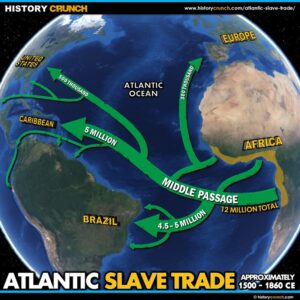
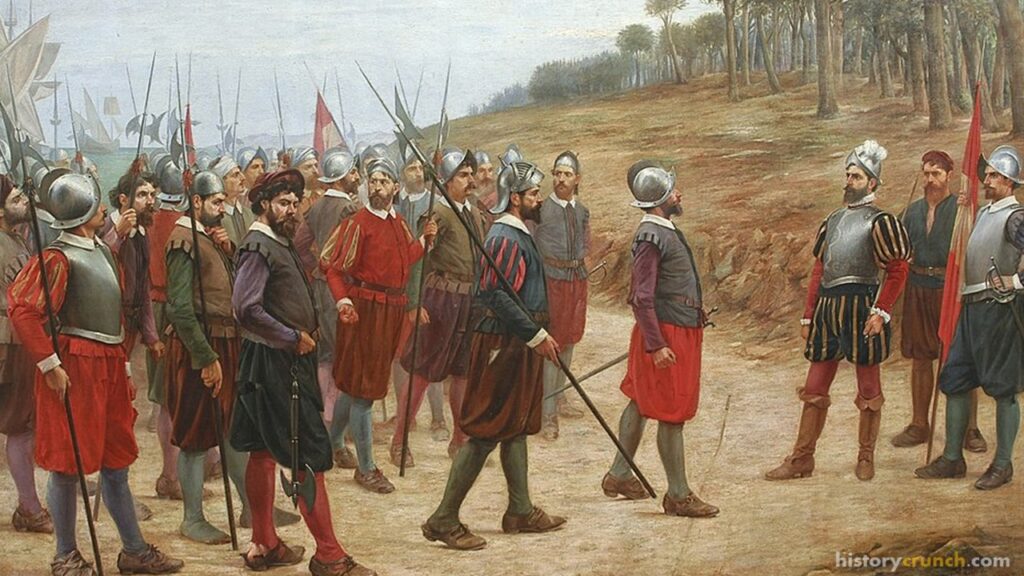
The conquests of Cortes, Pizarro, and other Spanish conquistadors gave Spain control over an enormous amount of territory in the Americas. This territory became the foundation of what was known as the Spanish Empire, one of the largest empires in the history of the world. Spain’s colonies in the New World were extraordinarily wealthy, particularly because of the gold and silver that was extracted from the conquered territories and shipped back to Spain. This wealth made Spain one of the most powerful nations in Europe during the 16th and 17th centuries. The Spanish Empire in the New World also had profound consequences for the indigenous peoples who lived there. European diseases, particularly smallpox, killed millions of indigenous people who had no immunity to illnesses that were common in Europe. The Columbian Exchange, which was the transfer of plants, animals, people, and diseases between the New World and the Old World following Columbus’s 1492 voyage, transformed both sides of the Atlantic in dramatic and lasting ways.

Significance of Spain in the Age of Exploration
The significance of Spain’s role in the Age of Exploration cannot be overstated. Spain’s decision to fund Columbus’s voyages westward across the Atlantic was one of the most consequential choices in the history of the world. It led directly to the European discovery of the Americas, the conquest of powerful indigenous civilizations, and the establishment of a vast colonial empire that reshaped the globe. The Spanish conquistadors changed the New World forever, and the legacy of Spain’s exploration era is still visible today in the Spanish language and culture that remain present across much of Latin America. At the same time, the history of Spain in the Age of Exploration is also a complicated one, as the conquests carried out by the conquistadors came at an enormous cost to the millions of indigenous people whose lands were taken and whose civilizations were destroyed. For all of these reasons, Spain in the Age of Exploration remains one of the most important and far-reaching chapters in the history of the world.