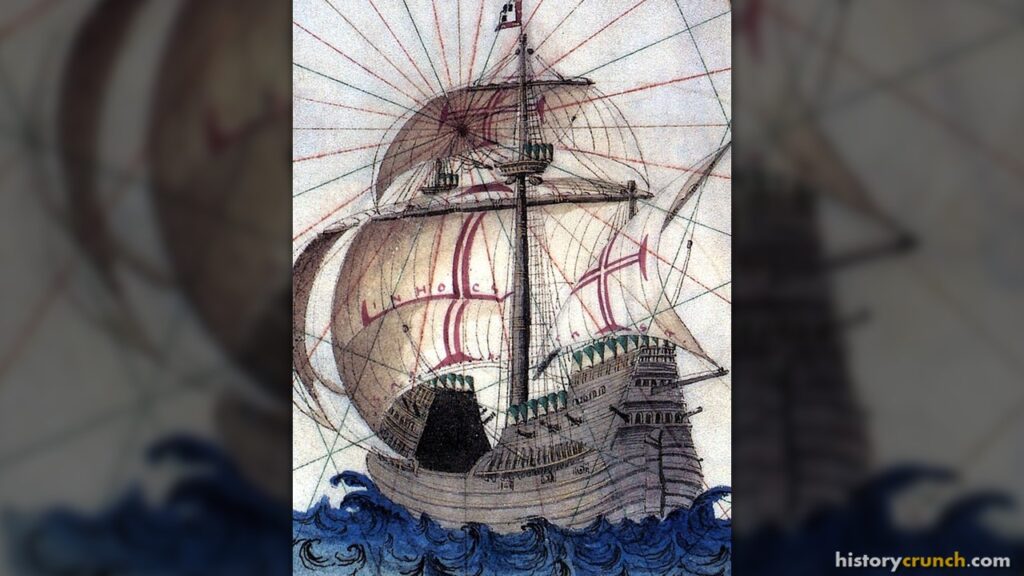
The ships of the Age of Exploration were among the most important technological developments in the history of the world at the time. Without significant improvements in ship design and construction in the years leading up to the 15th century, the great voyages of discovery that changed the world would simply not have been possible. The vessels that European explorers used to cross the Atlantic, navigate the African coast, and sail the Pacific were remarkable feats of engineering for their time, and understanding them helps explain how a relatively small number of European nations were able to explore and colonize much of the known world within the span of just a few centuries.
Why Were Ships So Important to the Age of Exploration?
Before the Age of Exploration, during the Middle Ages, European ships were generally designed for shorter coastal voyages and trade routes across the Mediterranean Sea or along the coasts of Europe. These older vessels were not well suited for the demands of long ocean voyages far from land, where sailors might go weeks or months without seeing a coastline. They were often too heavy, too slow, too difficult to maneuver, or unable to carry enough food and supplies for extended journeys. As European nations began to develop ambitions for overseas exploration in the 15th century, the need for better ships became urgent.
Improvements in ship design were one of the key reasons why the Age of Exploration was able to begin when it did. New types of ships were developed that were faster, more maneuverable, and capable of carrying larger amounts of cargo over much greater distances. These ships also incorporated new rigging and sail designs that allowed them to sail more effectively against the wind, which was essential for navigating the unpredictable conditions of the open ocean. Without these developments, explorers like Christopher Columbus, Vasco da Gama, and Ferdinand Magellan could not have completed their famous voyages.
The Caravel
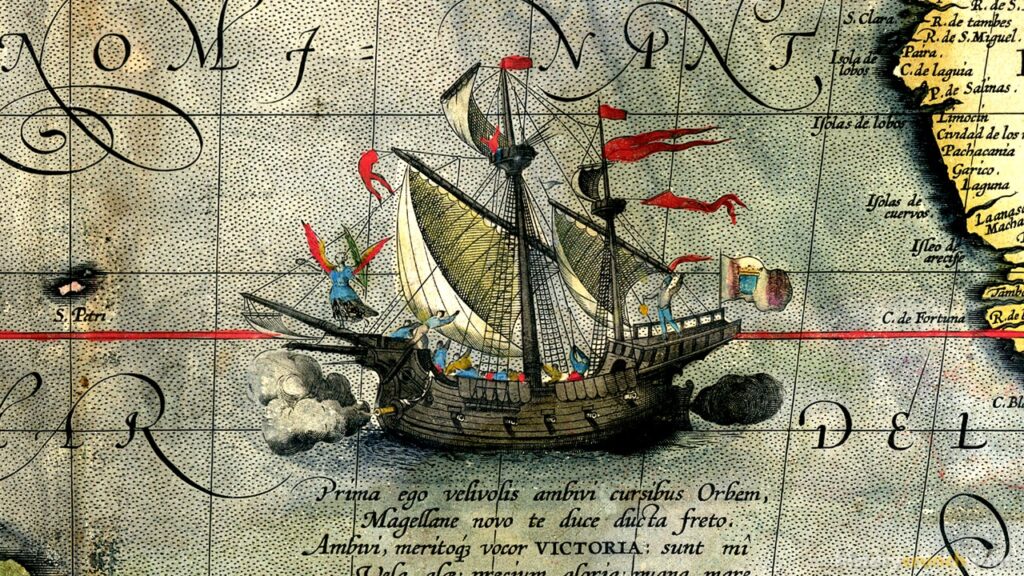
The caravel was one of the most important and revolutionary ships of the Age of Exploration, and it is most closely associated with the early Portuguese and Spanish voyages of discovery. It was a relatively small and lightweight vessel, typically ranging from about 50 to 160 tons in weight and measuring somewhere between 60 and 90 feet in length. What made the caravel so significant was not its size but its design. The caravel was built with a shallow hull, which meant it could navigate in relatively shallow coastal waters and river mouths that deeper ships could not enter. This made it extremely useful for exploring unfamiliar coastlines, where the depth of the water was unknown.
The caravel was also designed with a combination of sail types that gave it exceptional flexibility on the water. Early caravels used triangular sails called lateen sails, which were highly effective for sailing at angles to the wind. This was particularly important for the early Portuguese explorers who were sailing south along the coast of Africa, where the wind conditions changed frequently. Later versions of the caravel, known as the caravela redonda, combined lateen sails with square sails, which were better suited for sailing before the wind on long ocean crossings. This combination made the caravel one of the most versatile sailing vessels of its time.
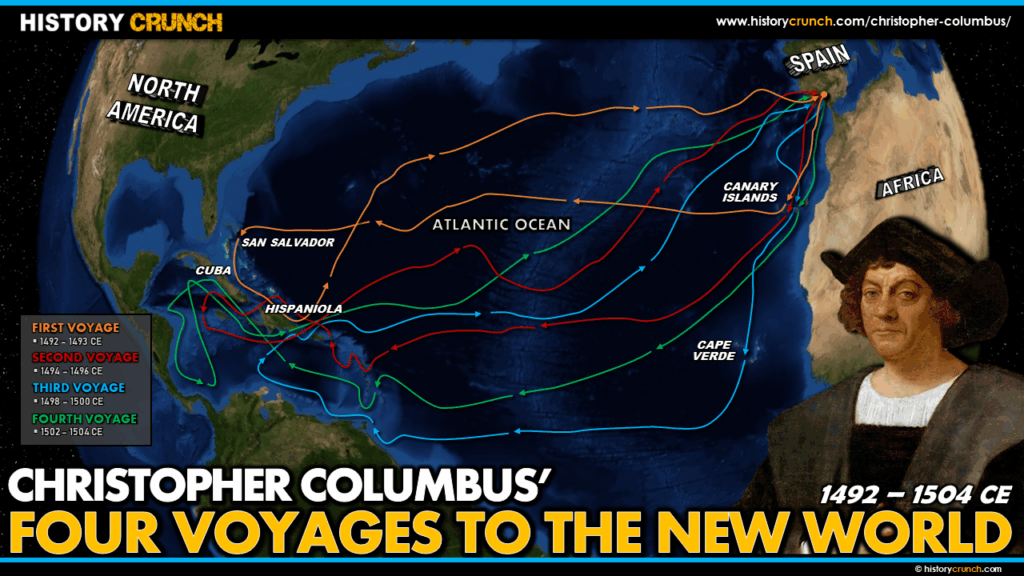
The caravel was the ship of choice for many of the earliest and most significant voyages of the Age of Exploration. Prince Henry the Navigator used caravels for the Portuguese expeditions along the African coast in the early 15th century, and the wind charts and navigational knowledge developed during those voyages depended heavily on the caravel’s ability to sail in varied conditions. Christopher Columbus sailed two caravels on his first voyage to the New World in 1492. They were named the ‘Nina’ and the ‘Pinta’ and Columbus used them alongside the larger ‘Santa Maria’. Vasco da Gama also used caravels on his historic voyage to India in 1497. The caravel’s combination of speed, maneuverability, and versatility made it the ideal vessel for the early stages of exploration.
The Carrack
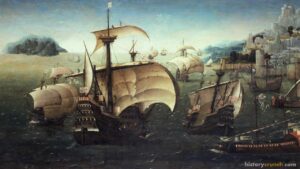
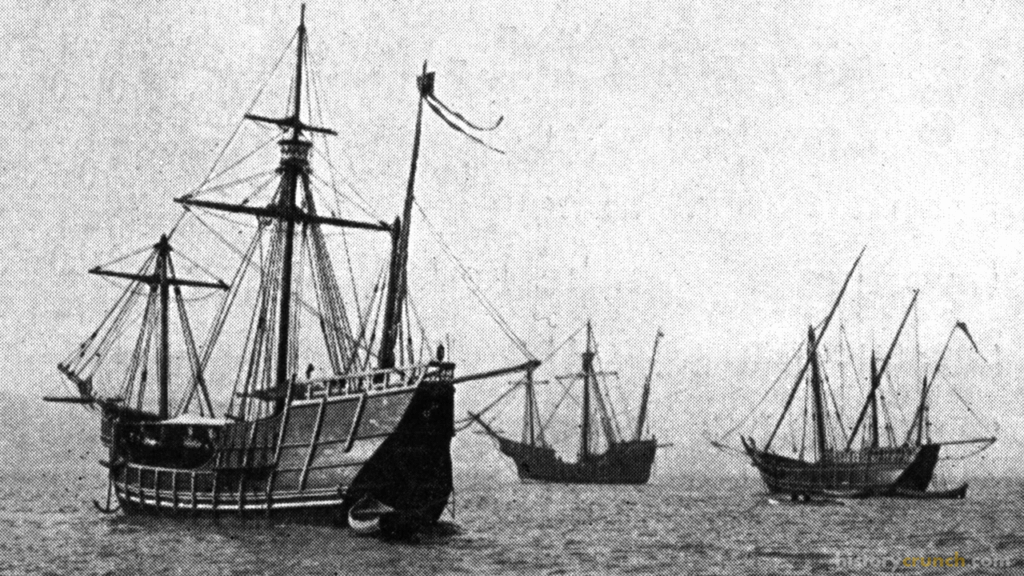
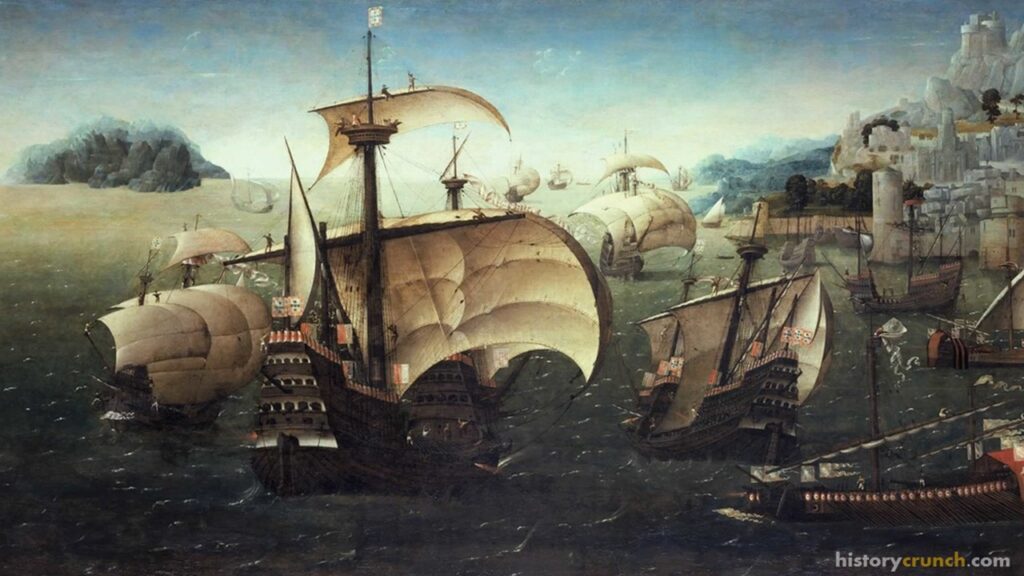
While the caravel was the workhorse of early exploration, the carrack was the dominant ocean-going vessel of the 15th and 16th centuries for longer and more heavily loaded voyages. The carrack was a much larger ship than the caravel, typically ranging from 200 to over 1,000 tons in weight and capable of carrying far greater amounts of cargo. This made it the preferred choice for trade voyages and expeditions that needed to bring back large quantities of goods from distant parts of the world.
The carrack was a three or four-masted ship with a combination of square sails on the main masts and a lateen sail on the rear mast. This rigging arrangement gave the carrack good sailing performance across a wide range of wind conditions and made it capable of handling the long ocean crossings required by the major voyages of the era. The carrack also featured high structures at both the front and rear of the ship, known as the forecastle and the sterncastle. These raised areas provided storage space, accommodation for the officers and crew, and in military contexts could serve as platforms for archers and, later, cannons.
The most famous carrack in history is almost certainly the Santa Maria, the flagship of Christopher Columbus on his first voyage to the New World in 1492. The Santa Maria was a three-masted carrack that stretched about 58 feet in length, making it the largest of the three ships in Columbus’s fleet. However, the Santa Maria ran aground on the coast of Hispaniola on Christmas Day of 1492 and had to be abandoned, with its timber used to build a small fort. The carrack was also central to Portuguese exploration, with Vasco da Gama using a carrack as his flagship on his voyage to India, and later large Portuguese carracks called naos became the backbone of the spice trade between Europe and Asia.
The Galleon
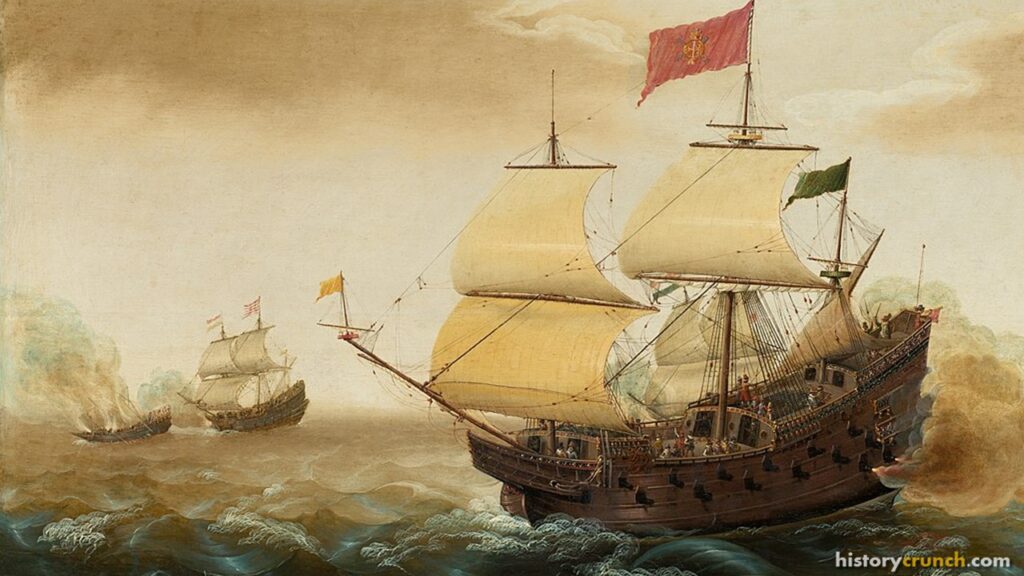
As the Age of Exploration progressed into the 16th century, a new and even more powerful type of ship emerged that came to dominate the oceans: the galleon. The galleon was essentially an evolution of the carrack, designed to be faster, more maneuverable, and better suited for both trade and warfare. It was a large, multi-decked sailing ship with three or four masts and a distinctive long, low hull that made it sleeker and faster than the carrack. The galleon was also fitted with rows of cannons along its sides, making it a formidable warship as well as a cargo vessel.
The galleon became the backbone of the Spanish colonial trading system in the 16th and 17th centuries. Spanish galleons, known as treasure galleons, were used to transport the enormous quantities of gold and silver extracted from Spain’s colonies in the Americas back to Spain. These treasure fleets, called the Spanish treasure fleet or flota, sailed regularly between the Americas and Spain and were among the most valuable and heavily guarded shipping operations in history. The enormous wealth carried by Spanish galleons also made them a target for pirates and privateers, most famously Sir Francis Drake, who raided Spanish ships and ports throughout his career. England and the Netherlands also built powerful galleon fleets during this period, and the clash between the English and Spanish galleon fleets during the defeat of the Spanish Armada in 1588 was one of the most significant naval battles of the era.
The Fluyt
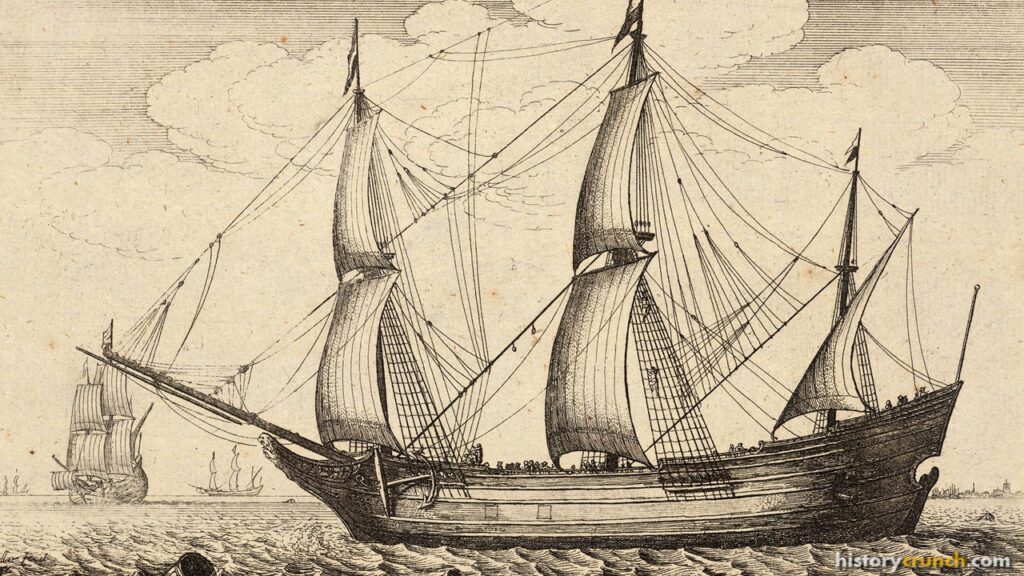
Another important ship of the later Age of Exploration was the fluyt, a vessel developed by the Dutch in the late 16th century. The fluyt was specifically designed for commercial trade rather than warfare, and its design reflected the Dutch emphasis on efficiency and profit. It had a large, rounded hull that could carry enormous amounts of cargo relative to its size, and it was designed to be operated by a smaller crew than most other ships of comparable size. This made the fluyt significantly cheaper to operate than rival vessels, giving Dutch merchants a major cost advantage in the competitive world of international trade.
The fluyt became the primary vessel of the Dutch East India Company and was central to the Dutch commercial empire that made the Netherlands one of the wealthiest nations in the world during the 17th century. The fluyt’s efficiency and cargo capacity made it ideal for the long-distance trade routes between Europe and Asia that the Dutch East India Company operated, and it helped the Dutch maintain their dominance in international trade for much of the 17th century.
Navigation Tools Used on Exploration Ships
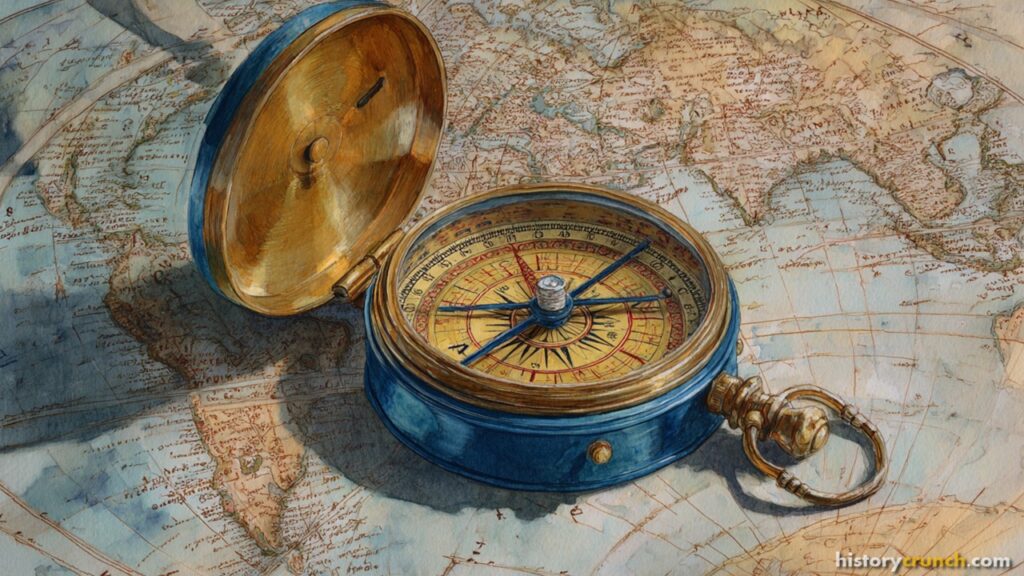
The ships of the Age of Exploration were only as effective as the navigational tools and knowledge of the sailors who operated them. Several important navigational instruments were used aboard exploration ships to help sailors determine their position and direction at sea. The compass, which uses a magnetized needle to point toward magnetic north, was one of the most essential tools available to explorers and had been in use in Europe since the 12th century. The astrolabe was another important instrument, used to measure the angle of the sun or stars above the horizon, which allowed navigators to calculate their latitude, meaning how far north or south of the equator they were. The quadrant served a similar purpose and was widely used alongside the astrolabe. Later in the Age of Exploration the cross-staff and backstaff were also developed as improved tools for measuring the height of celestial objects. Together these instruments, combined with increasingly detailed maps and the accumulated knowledge of ocean wind patterns, allowed explorers to navigate the world’s oceans with growing confidence and accuracy.
Significance of Ships in the Age of Exploration
The significance of the ships of the Age of Exploration can hardly be overstated. The development of vessels like the caravel, the carrack, the galleon, and the fluyt made it possible for European nations to cross the world’s oceans, establish contact with distant civilizations, build colonial empires, and fundamentally reshape the world. Without these technological advances in ship design, the Age of Exploration as we know it simply could not have happened. The ships of this era were the tools that connected the Old World and the New World, opened up global trade networks, and set in motion the chain of events that shaped the modern world. For these reasons, the ships of the Age of Exploration remain one of the most important topics in the study of this remarkable period in history.