Knights were one of the most important groups of people in medieval European society. They played a central role in the feudal system and were closely connected to the major events of the Middle Ages, including the Crusades. The life of a medieval knight was defined by military training, a strict code of conduct and a position of relative power and privilege within the social hierarchy of the time.
What Was a Medieval Knight?
A medieval knight was a trained and armored soldier who served a lord or monarch in exchange for land and protection under the feudal system. Knights were part of the nobility in medieval European society and occupied an important position in the social hierarchy of the Middle Ages. They were expected to be skilled warriors on horseback and were among the most effective soldiers of the time. As such, knights were a central part of the military power of kings and lords throughout the Middle Ages, which lasted from approximately the 5th century to the 15th century in Europe.
How Did Someone Become a Knight?
Becoming a knight in the Middle Ages was a long process that began in childhood. Most knights came from noble families, as the cost of training, horses and armor was very high and beyond the reach of most peasants. The path to becoming a knight generally involved three main stages: page, squire and knight.
The first stage was that of a page. At around the age of seven, a young boy from a noble family would be sent to the castle of a lord or another knight to begin his training. As a page, the boy would learn basic skills such as riding horses, using weapons and understanding the rules and customs of noble society. Pages also helped with everyday tasks in the castle, such as serving meals and caring for equipment, which taught them discipline and respect.
The second stage was that of a squire. At around the age of fourteen, a page would be promoted to squire and assigned to a specific knight. As a squire, the young man would assist his knight in preparing for battle, caring for his horse and maintaining his armor and weapons. Squires also continued their own training in combat and horsemanship. They often accompanied their knight into battle and gained firsthand experience of warfare during this stage.
The final stage was becoming a knight. If a squire proved himself through his training and conduct, he could be made a knight in a ceremony called dubbing, usually around the age of twenty-one. During the dubbing ceremony, a lord or senior knight would tap the squire on the shoulder with a sword and declare him a knight. From that point forward, the new knight was expected to uphold the values of knighthood and serve his lord with loyalty and skill.
Chivalry and the Code of Conduct
One of the most important aspects of life as a medieval knight was the code of chivalry. Chivalry was a set of values and rules of behavior that knights were expected to follow. These values included bravery in battle, loyalty to their lord, honesty and respect for women and the Church. In general, chivalry was the idea that a knight should use his strength and skill not just for personal gain, but in the service of others and in defense of the Christian faith.
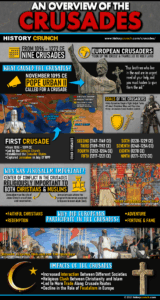
The code of chivalry was closely connected to the role of the Catholic Church in medieval European society. The Church played a major role in shaping the values and expectations placed on knights throughout the Middle Ages. For instance, the Church encouraged knights to see their military skills as a force for good and to use their power to protect the weak and uphold justice. This idea of the Christian knight as a defender of the faith was also one of the main reasons why so many knights participated in the Crusades, the series of religious wars that began in 1095 CE in which European knights traveled to the Middle East to capture the Holy Land.
Armor and Weapons
The armor and weapons of a medieval knight changed significantly over the course of the Middle Ages. In the Early Middle Ages, knights typically wore chainmail, which was a type of armor made from thousands of small metal rings linked together. Chainmail provided reasonable protection in battle but could still be pierced by a direct blow from a sword or lance. As a result, over time, knights began to add plates of solid metal to protect specific parts of the body, such as the chest, arms and legs.
By the High Middle Ages, full plate armor had become common among knights. Plate armor covered most of the knight’s body in solid metal and provided much better protection than chainmail alone. However, a full suit of plate armor was extremely heavy and expensive to produce. As such, only the wealthiest knights and lords could afford the highest quality armor. The weapons used by knights included swords, lances, shields and maces. The lance was particularly important in mounted combat, where knights would charge at each other on horseback in a style of fighting known as jousting. The sword was also a central symbol of knighthood and was closely connected to the values of chivalry.
Daily Life of a Knight
The daily life of a medieval knight depended greatly on whether the kingdom was at war or at peace. During times of war, knights were expected to respond to the call of their lord and participate in military campaigns. This could involve traveling long distances, taking part in sieges and engaging in direct combat with enemy forces. Life on campaign was difficult and dangerous, and many knights were injured or killed in battle.
During times of peace, knights were still expected to maintain their skills and fitness through regular training and practice. For instance, tournaments were a popular event in medieval Europe in which knights would compete against each other in mock combat to demonstrate their skill and strength. Tournaments were also important social events that attracted large crowds and gave knights the opportunity to earn prizes and build their reputation. Beyond training and tournaments, knights also had responsibilities connected to the feudal system. For instance, knights were expected to manage the lands granted to them by their lord, administer justice to the peasants living on their lands and collect taxes and fees on behalf of their lord.
Significance of Medieval Knights
In conclusion, the life of a medieval knight was defined by years of training, a strict code of conduct and a central role in the feudal system of the Middle Ages. Knights were among the most powerful and influential people in medieval European society and played a major role in shaping many of the key events of the period, including the Crusades. As such, understanding the life of a medieval knight is important for understanding the broader history and society of the Middle Ages.