Portugal in the Age of Exploration is an important topic in the study of world history. During the 15th and 16th centuries, Portugal became the first European nation begin carrying out overseas exploration, sending its sailors and navigators further into the unknown than any European country had gone before. Driven by a desire for new trade routes, wealth, and territorial influence, Portugal established itself as the pioneer of the Age of Exploration and built a far-reaching empire that stretched from Africa to Asia. Understanding Portugal’s role in this era is essential because it helps explain how the modern world first became globally connected.
What Was the Age of Exploration?
The Age of Exploration, also known as the Age of Discovery, was a period in history that began in the early 15th century and continued until the end of the 17th century. During this time, European nations sent explorers across the world’s oceans in search of new trade routes, new lands, and new sources of wealth. The Age of Exploration is considered one of the most important events in the history of the western world because it fundamentally changed the relationship between Europe, Africa, Asia, and the Americas. The four European nations most closely associated with the Age of Exploration were Portugal, Spain, France, and England. Each of these countries shared an important advantage: they all bordered the Atlantic Ocean and had access to experienced sailors, well-developed sea ports, and the financial resources needed to fund long ocean voyages. Improvements in ship design, including the development of new vessels such as the carrack and the caravel, also made it possible for explorers to travel further than ever before and carry larger amounts of cargo on their journeys.

Why Did Portugal Explore?
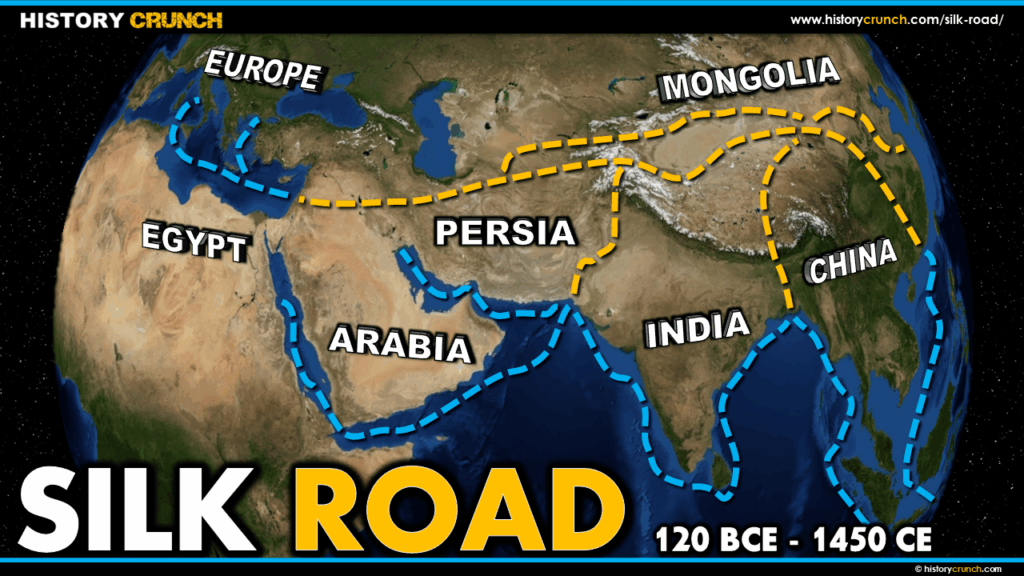
Portugal’s involvement in the Age of Exploration was driven by several important factors. Like other European nations of the time, Portugal was eager to find new sea routes to the wealthy trading partners of the Far East, including China, India, and Japan. European countries had traditionally relied on the Silk Road to trade with these distant regions, but the Silk Road was a long and difficult overland journey that took merchants a great deal of time. Finding a faster sea route to Asia would allow Portugal to speed up trade and gain a significant economic advantage over its rivals.
A second major reason for Portugal’s involvement in exploration was the rise of powerful monarchs who had both the motivation and the financial resources to fund major overseas expeditions. Portugal was also well positioned geographically, sitting on the southwestern edge of Europe with a long Atlantic coastline, a strong tradition of seafaring, and experienced sailors who were familiar with ocean travel. These advantages meant that Portugal was among the first European countries capable of launching long-distance voyages of exploration. Rather than heading west across the Atlantic like Spain would later do, Portuguese explorers chose to sail south along the western coast of Africa in search of a sea route around the continent and onward to the Far East. This strategy would prove enormously successful and gave Portugal a head start over every other European nation in establishing overseas trade networks and colonial territories.
Henry the Navigator and the Beginning of Portuguese Exploration
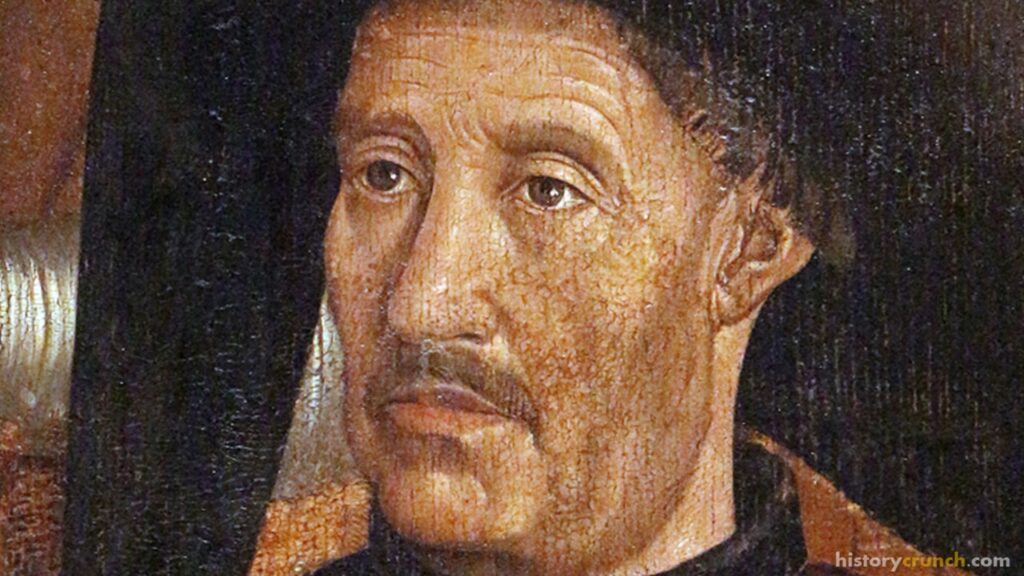
The figure most closely associated with the beginning of Portugal’s Age of Exploration is Prince Henry the Navigator. Henry was born on March 4th, 1394, in Porto, Portugal, and was the third son of King John I. Despite his famous nickname, Henry was not a sailor or explorer himself. Instead, he played a crucial role as a patron and organizer of exploration, sponsoring many of the earliest voyages carried out by Portuguese sailors.
Henry pushed his explorers to venture further south along the African coast than any European had gone before. The expeditions he sponsored were responsible for charting the Madeira Islands in the north Atlantic, the Azores islands, and increasingly large stretches of the west coast of Africa. One of Henry’s most important contributions was his insistence that the captains of his expeditions keep detailed written records of their voyages. This practice, which was not standard at the time, allowed explorers to build up a shared body of knowledge about ocean winds, currents, and coastlines that later navigators could draw on. For example, the wind charts that Henry’s sailors developed for the Atlantic Ocean would later prove essential to explorers like Christopher Columbus, who relied on knowledge of Atlantic wind patterns to cross the ocean. Henry also helped establish basic techniques of navigation that became foundational to all later European exploration. He died on November 13th, 1460, but the program of exploration he had set in motion continued to grow and expand in the decades that followed.
Vasco da Gama and the Sea Route to India
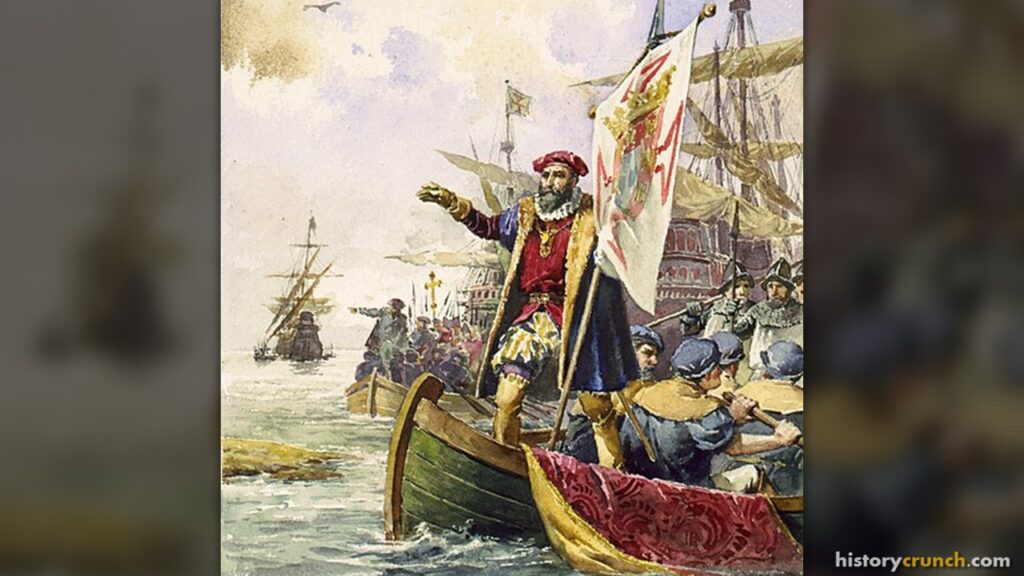
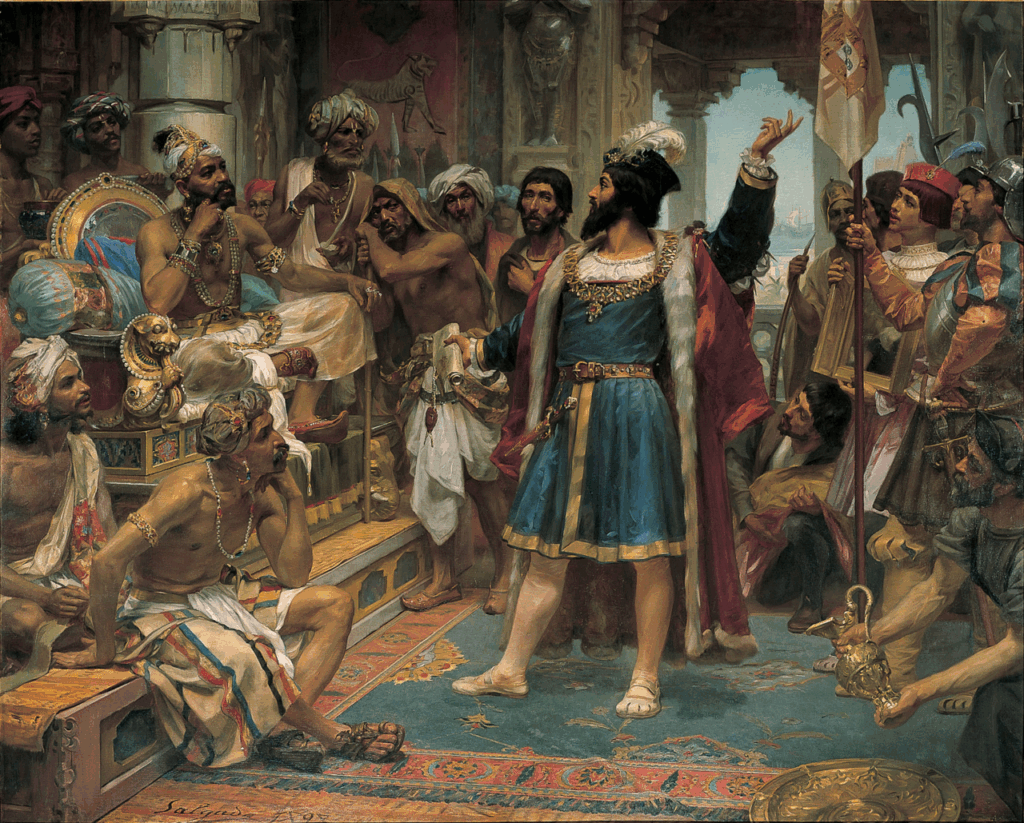
The most significant achievement in the history of Portuguese exploration was the voyage of Vasco da Gama, who became the first European to reach India by sea. Da Gama was born in Portugal in the 1460s into a well-connected family, and he followed his father into a career as a knight and naval officer. He became a highly skilled sailor and navigator, and it was because of these abilities that he was chosen to lead one of the most ambitious expeditions in history.
Da Gama set out from Portugal in 1497 with the goal of finding a sea route to India by sailing south around the continent of Africa and across the Indian Ocean. The voyage was extraordinarily difficult and covered a greater distance than any European expedition had ever attempted before. Despite the enormous challenges of the journey, da Gama successfully reached India, establishing a direct sea connection between Europe and Asia for the very first time. This achievement was a milestone in world history. The route da Gama opened avoided the dangerous and heavily disputed waters of the Mediterranean and Arabian Seas, and provided a much safer path for trade ships traveling between Europe and the Far East.
After a short stay in India, da Gama and his fleet began the long return voyage to Portugal in August of 1498. The journey back was extremely difficult. Da Gama ignored advice from local sailors about the monsoon wind patterns of the Indian Ocean, and as a result the crossing was very lengthy and dangerous. By the time the ships reached land in 1499, only about half of the crew had survived, with many having died from scurvy, a serious illness caused by a lack of vitamin C. Despite the losses, the success of the voyage established Portugal as the first European nation with a direct trade link to Asia, and the country maintained its dominant position in that part of the world for well over a century before other European powers such as England and France were able to challenge it. Da Gama continued to sail on further expeditions after his famous voyage to India, exploring parts of East Africa including Mozambique and Mombasa, which helped spread Portuguese influence across the African continent. He was eventually appointed as Governor of India in 1524 in recognition of his extraordinary accomplishments, and he died later that same year on December 24th, 1524.
Ferdinand Magellan and the First Circumnavigation of the Globe
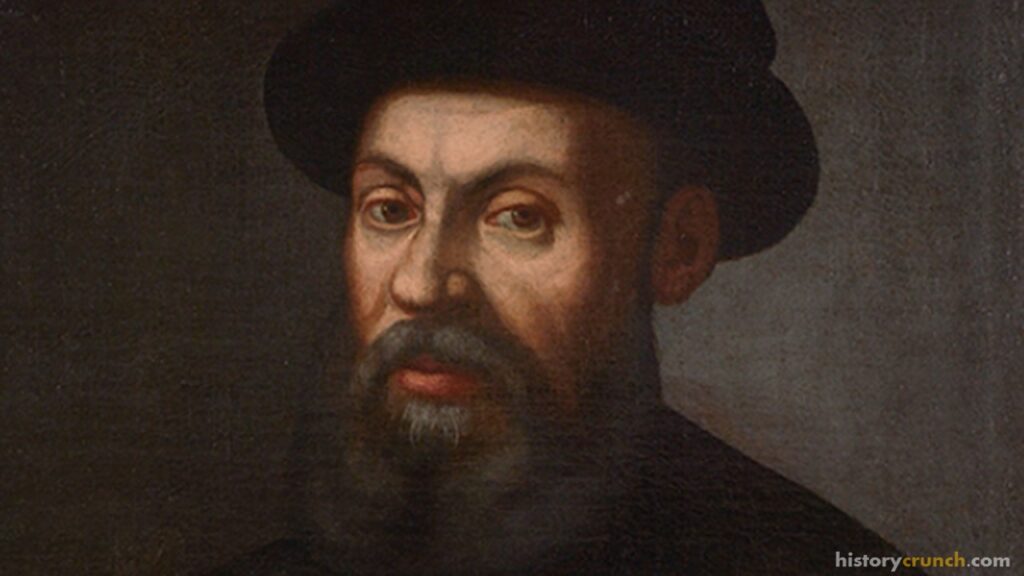
Another explorer of Portuguese origin who made one of the greatest voyages in the history of exploration was Ferdinand Magellan. Magellan was born in Portugal in 1480 into a noble family and received a privileged upbringing. From a young age he developed strong sailing skills, and he eventually became a naval officer. He spent years sailing in the service of Portugal, including a lengthy period of more than eight years in India, where he participated in numerous battles and further refined his navigational abilities.
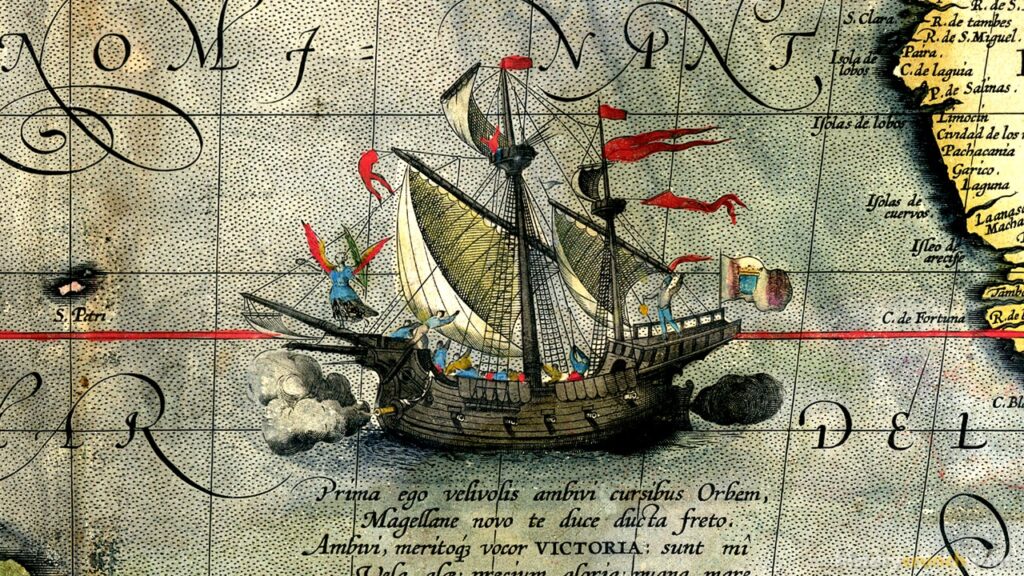
Although Magellan was Portuguese by birth, it was the King of Spain, King Charles I, who selected him to command the fleet for his most famous expedition. The goal of the voyage was to find a new trading route between Europe and Asia, one that would provide an alternative to the route established by Columbus. Magellan set sail from Spain in 1519 with a fleet of ships, heading across the Atlantic Ocean and then south along the coast of South America. In navigating through previously uncharted waters at the southern tip of South America, Magellan named the vast ocean he entered the “peaceful sea,” which is known today as the Pacific Ocean. The fleet eventually reached the Maluku Islands, also known as the Spice Islands, in 1521. Tragically, Magellan did not survive to complete the full journey. He was killed on April 27th, 1521, in the Battle of Mactan in the Philippines. However, the remaining ships and crew, led by Juan Elcano, continued westward and eventually returned to Europe, completing the first ever circumnavigation of the globe. This achievement was one of the most remarkable accomplishments of the entire Age of Exploration and demonstrated once and for all that the world could be sailed around in its entirety.
Portugal’s Empire
The voyages of Henry the Navigator’s sponsored explorers, Vasco da Gama, and Ferdinand Magellan helped Portugal build one of the most impressive empires of the early modern world. Portugal’s early mastery of the sea routes to Africa and Asia gave the country a dominant position in international trade that other European nations envied and struggled to match. Lisbon, the capital of Portugal, became the main trade center of Europe during the height of the country’s exploration era, as goods from Africa, Asia, and eventually the Americas flowed through its ports. Portugal also became deeply involved in the Atlantic slave trade during this period, with Portuguese explorers and traders capturing and transporting African people to work on plantations in the New World. This aspect of Portugal’s imperial history had devastating consequences for millions of people across Africa and the Americas.
Significance of Portugal in the Age of Exploration
The significance of Portugal’s role in the Age of Exploration cannot be overstated. Portugal was the country that truly began the Age of Exploration, and its early voyages down the African coast, around to India, and eventually around the entire globe laid the groundwork for everything that followed. The navigational knowledge, techniques, and sea routes that Portuguese explorers developed were foundational to the broader era of European exploration that transformed the world. The success of Portugal’s expeditions also inspired other powerful European nations, including Spain, England, and France, to launch their own programs of exploration and colonization. In this way, Portugal’s pioneering role in the Age of Exploration set in motion a chain of events that would reshape the entire world. At the same time, the history of Portugal in this era is a complicated one, as the wealth and power that exploration brought to Portugal came at an enormous cost to the peoples of Africa, Asia, and the Americas whose lands, resources, and lives were deeply affected by Portuguese expansion. For all of these reasons, Portugal in the Age of Exploration remains one of the most important chapters in the history of the modern world.