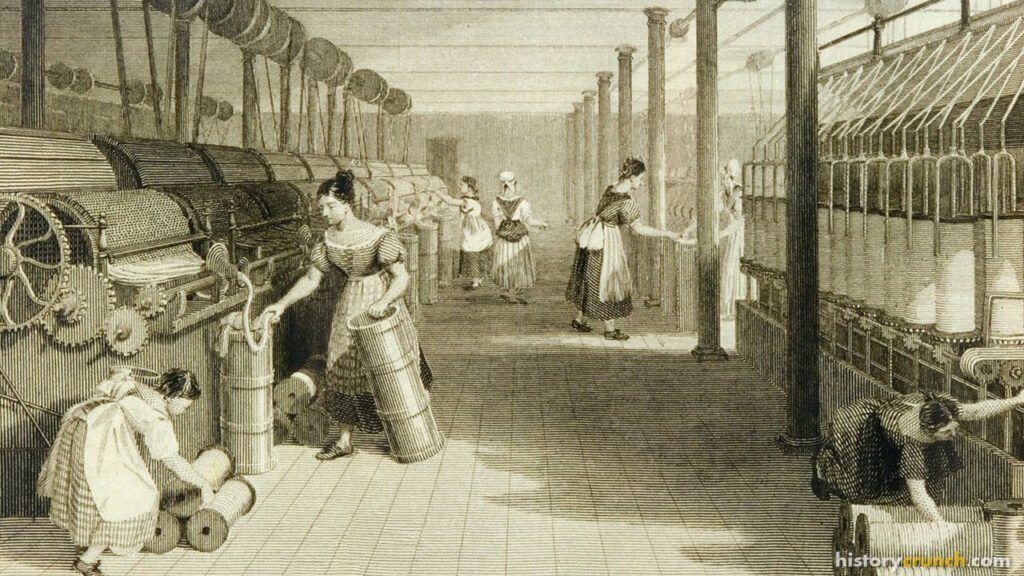
The First Industrial Revolution, which began in the late 18th century and extended into the early 19th century, was an important turning point in human history. This period of rapid industrialization saw profound changes in technology, economy, and society. It transitioned economies from agrarian-based systems to industrial and manufacturing hubs, setting the stage for modern economic growth and significantly altering daily life. Alternatively, the Second Industrial Revolution occurred from the late 19th century to the early 20th century.
CAUSES OF THE FIRST INDUSTRIAL REVOLUTION
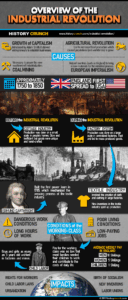
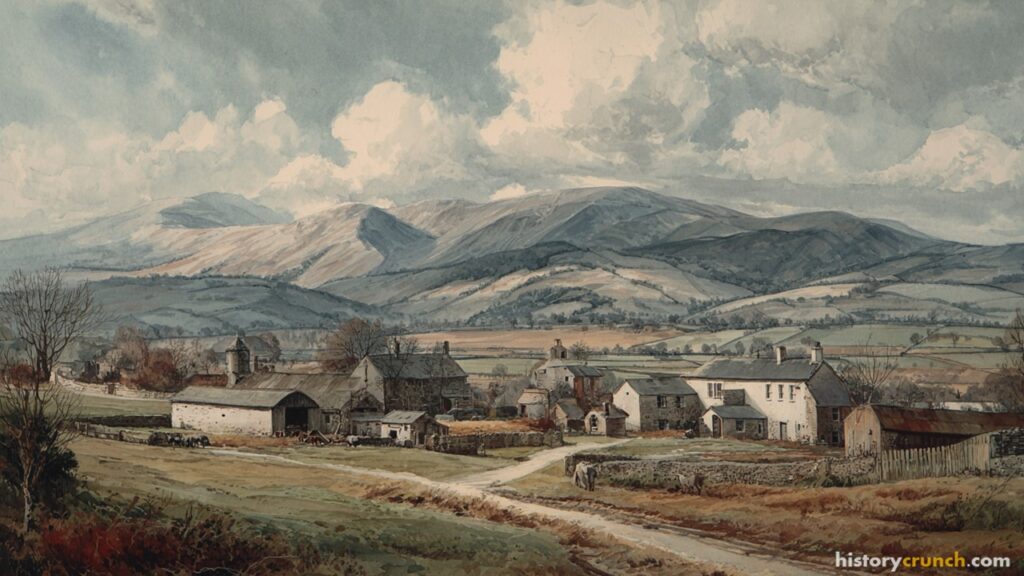
The First Industrial Revolution originated in Britain in the late 1700s, driven by several main factors. First, the British Agricultural Revolution occurred before the Industrial Revolution and it had a profound impact on industrialization in Britain. For instance, it increased food production, leading to population growth and urbanization. Furthermore, innovations in farming, such as crop rotation, created surplus labor and higher productivity, freeing people to work in other sectors. As such, this led to industrialization as the new urban workers searched for employment.
Additionally, Britain had abundant natural resources, such as coal and iron ore, essential for industrial machinery and energy. As well, the political stability and economic policies of the time, including property rights, encouraged investment and innovation. Furthermore, Britain’s vast colonial empire provided raw materials and markets for manufactured goods, fueling industrial growth.
INVENTIONS AND INNOVATIONS OF THE FIRST INDUSTRIAL REVOLUTION
Several groundbreaking inventions and technological advancements emerged as part of the First Industrial Revolution. For instance, the main innovations of the time were focused on: textile manufacturing, the steam engine, the coal and iron industries, transportation, and communication technologies.
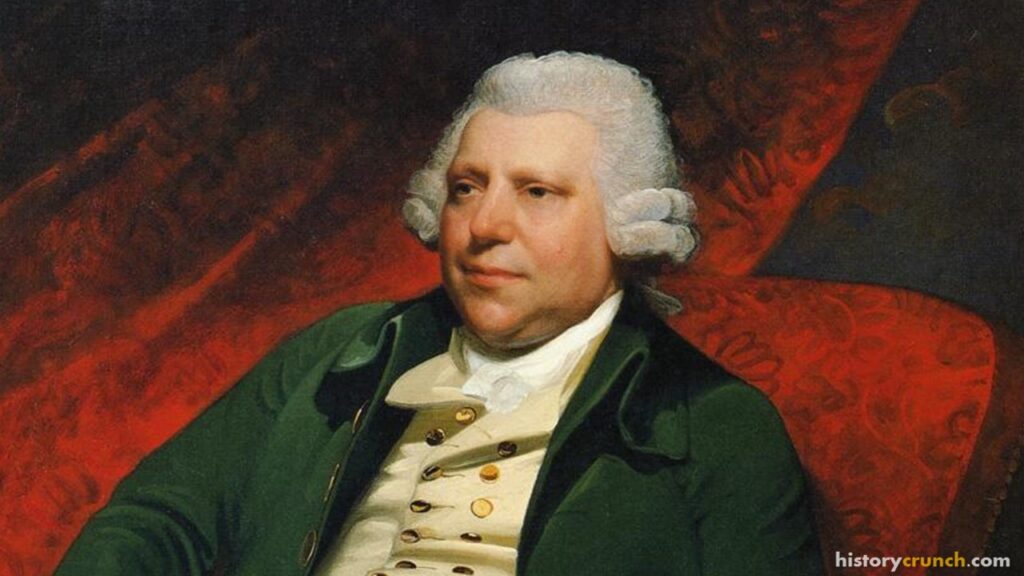
As stated above, one of the most significant industries transformed by the Industrial Revolution was textile manufacturing. More specifically, the invention of the Spinning Jenny by James Hargreaves in 1764 revolutionized the production of yarn. This multi-spindle spinning frame allowed a single worker to spin multiple threads simultaneously, vastly increasing output and efficiency. Also, the water frame, invented by Richard Arkwright, further improved this process by using water power, leading to the establishment of large-scale factories.
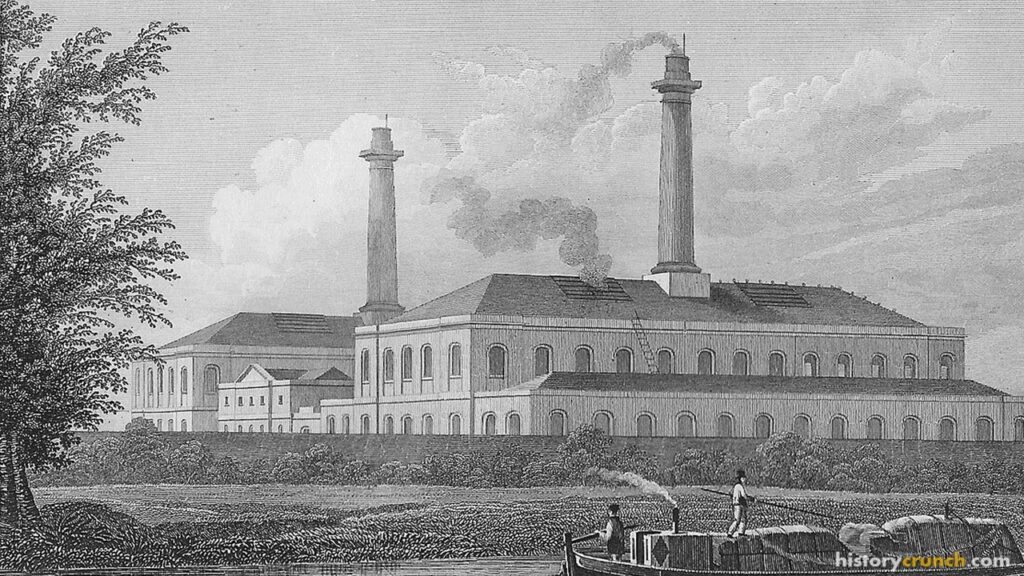
The steam engine, developed by James Watt in the late 1760s, was another revolutionary invention. It provided a new, powerful source of energy that was not dependent on waterways, enabling factories to be located anywhere. Steam engines were initially used to pump water out of mines, but their application soon expanded to power machinery in various industries, including textiles, iron, and transportation.
Next, the iron and coal industries also experienced significant advancements. For example, the process of smelting iron with coke, developed by Abraham Darby, replaced the traditional charcoal method, making iron production more efficient and less expensive. The increased availability of high-quality iron led to innovations in machinery and construction. In fact, iron and coal were both vitally important to the overall Industrial Revolution.
Transportation saw dramatic improvements with the advent of steam-powered locomotives and ships. For instance, George Stephenson’s development of the steam locomotive and the construction of the first railways in the early 19th century revolutionized land transport, leading to the faster movement of goods and people. Similarly, steamships improved maritime trade, reducing travel time and increasing the volume of international trade.

IMPACTS OF THE FIRST INDUSTRIAL REVOLUTION
The First Industrial Revolution had several important effects on society, including: urbanization, economic growth, and colonial expansion.
One of the most significant impacts was the shift from rural to urban living. As factories sprang up, people migrated to cities in search of employment, leading to rapid urbanization. For instance, cities grew quickly, often without adequate planning, resulting in overcrowded living conditions and poor sanitation.
The nature of work also changed significantly. The rise of factories meant that many people transitioned from agricultural work to industrial labor. Factory work was often monotonous, involved long hours, and was performed under harsh conditions. Child labor was prevalent, and workers had little to no rights or protections initially.
Economically, the Industrial Revolution led to unprecedented growth. In fact, industrialization increased productivity and output, leading to greater wealth and the expansion of consumer goods. The rise of capitalist economies saw the accumulation of capital by entrepreneurs who invested in new technologies and industries.
The effects of the Industrial Revolution were not confined to Britain. The innovations and economic models developed during this period spread to other parts of Europe and North America, leading to industrialization in these regions as well. Furthermore, the demand for raw materials and new markets fueled colonial expansion, with European powers establishing and expanding colonies in Africa, Asia, and the Americas.