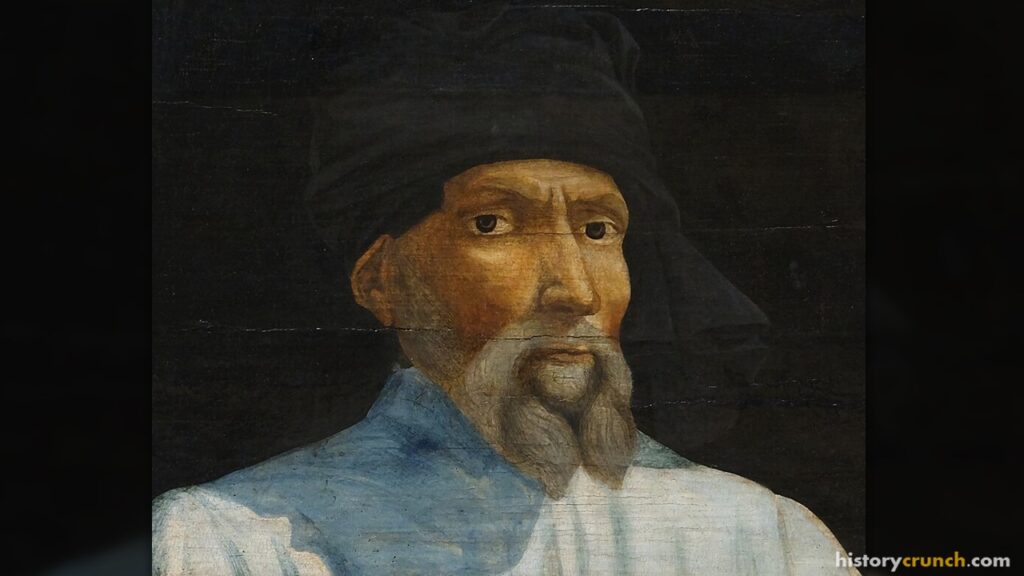
Donatello was an important Renaissance artist known for bringing realism, emotion, and classical influence into his most famous works. For example, he created amazing sculptures such as his bronze statue of ‘David‘. Donatello’s mastery of perspective and human expression helped make him one of the most influential artists from the timeframe of the Renaissance.
DONATELLO (RENAISSANCE ARTIST) – EARLY LIFE
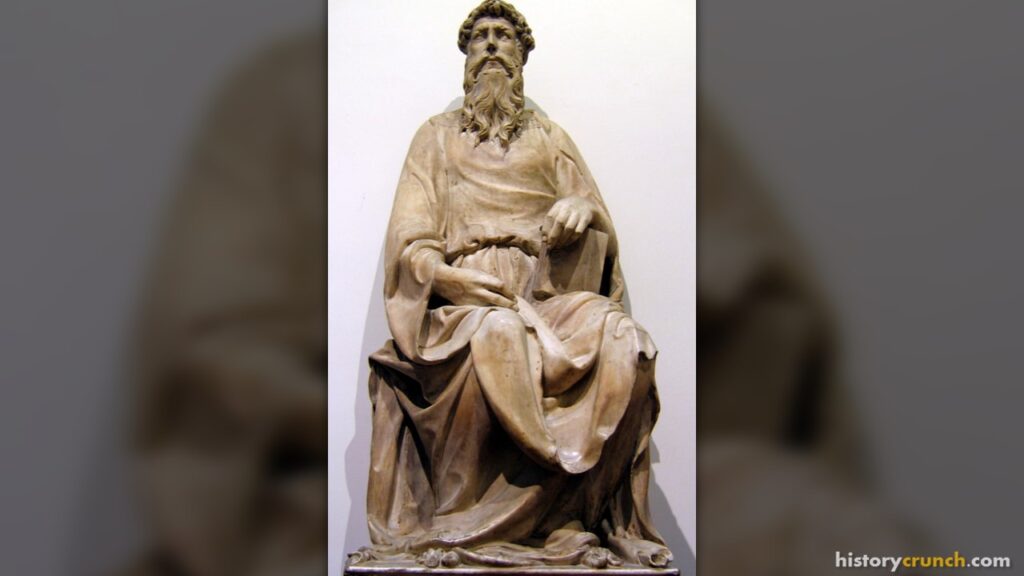
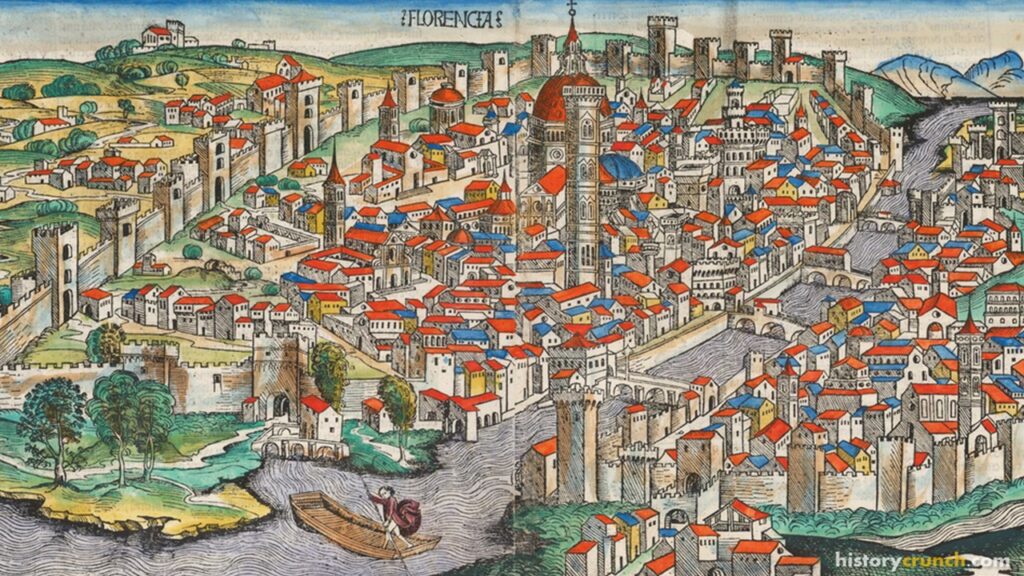
Donato di Niccolo di Betto Bardi, better known as Donatello, was born in 1386 in Florence, Italy. His father, Niccolo di Betto Bardi, was a member of the Arte della Lana which was the wool guild of Florence at the time. While growing up Donatello received most of his education in the house of the Martelli family, who were a noble Florentine family and received some artistic training in a goldsmith workshop. As a teenager, Donatello assisted Lorenzo Ghiberti, a local sculptor and learned the Gothic style of art. For instance, from 1409 to 1411 he undertook the sculpture of Saint John the Evangelist for the Baptistery of Florence cathedral. The sculpture is significant because it is considered to be an important step forward in both Gothic styled art and Renaissance art. Historians have noted its importance in terms of its naturalism and the display of human feelings. For example, elements of the statue are considered to be more realistic in nature than other sculptures from the previous time periods.
DONATELLO (RENAISSANCE ARTIST) – SCULPTOR
After a few years working under Ghiberti, and even though he was not yet twenty years old, Donatello started being commissioned to create sculptures by himself. For example, in 1411 he started work on a statue of Saint Mark. Following the success of the Saint Mark statue, Donatello also worked on a number of other statues including Saint George, and a series of five statues known as Duomo. Donatello’s statues were lifelike and highly emotional which was a style that has since been likened to other Renaissance artists such as Michelangelo.
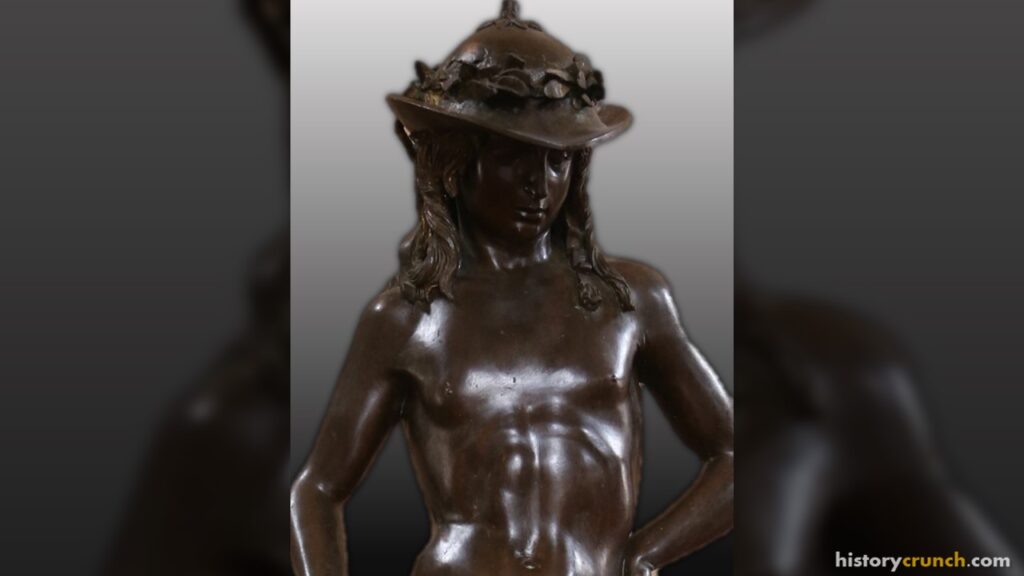
Donatello may have travelled to Rome to study classical art and excavate ruins of ancient Rome. The trip is not well documented, but it is thought that the trip could have helped Donatello develop an understanding of classical sculptures that would help to shape and influence his own art. Upon returning from Rome, Cosimo de Medici, who was a famous art patron in Florence, commissioned Donatello to create a bronze statue of David. The final statue was completed around 1430 (although the exact date is unknown), and is thought to be the first free-standing nude statue that was produced since ancient times. Historians consider the bronze David statue to be the first major sculpture of the Renaissance era. Therefore, it is considered to be one of the most influential pieces of art from the Renaissance and is by far the most recognized work or art from Donatello.
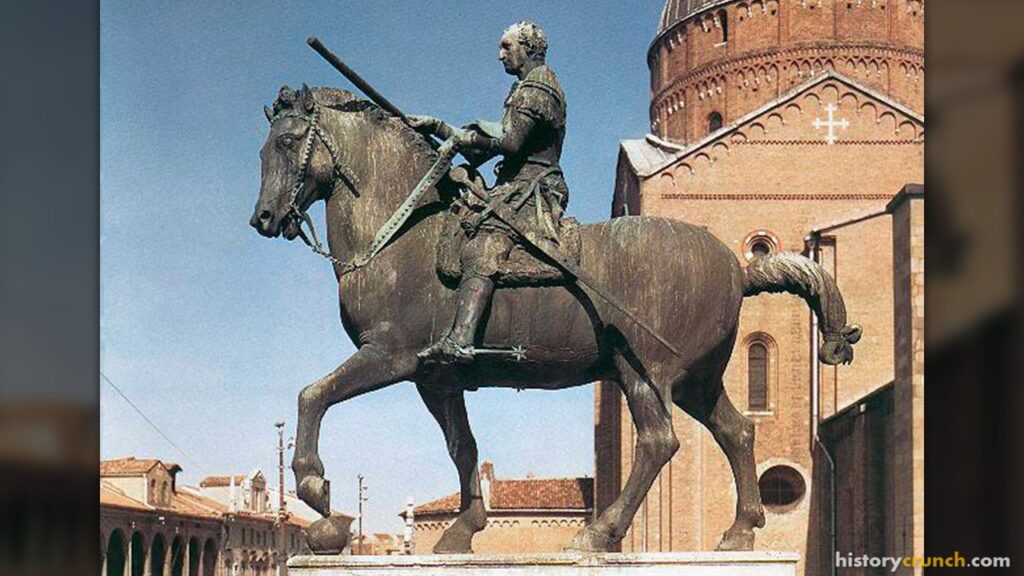
Next, he was called to Paduna, in northern Italy, in order to create a large statue of ‘Gattamelata’, a political leader. The large equestrian monument that Donatello produced was, like David, the first example of such a monument to be produced since ancient times. In the following centuries, many other sculptors based their equestrian monuments on Donatello’s Gattamelata. After completing Gattamelata, Donatello went on to create many other statues in Paduna including a bronze Crucifix and a Madonna with Child, both of which were for the Basillica of St Anthony.
DONATELLO (RENAISSANCE ARTIST) – DEATH AND SIGNIFICANCE
Donatello returned to Florence and completed a number of other statues. He received a retirement allowance from the Medici family, which was one of the most influential families of the Renaissance, however Donatello continued to sculpt. He died in December of 1466 leaving some unfinished works, which were completed by his student Bertoldo di Giovanni. Donatello is now considered to be one of the most influential individual Italian artists of the 15th century, and a major artistic figure in the European Renaissance.