Milan in the Renaissance was a major Renaissance city-state known for its military power, political influence, and artistic achievements. Under the rule of the Sforza family, the city became a center for architecture, engineering, and the arts. For instance, this attracted artistic greats such as Leonardo da Vinci to Milan. Finally, Milan’s wealth and strategic location helped it play a key role in spreading of Renaissance ideas across the Italian Peninsula and beyond.
WHAT WAS THE RENAISSANCE?
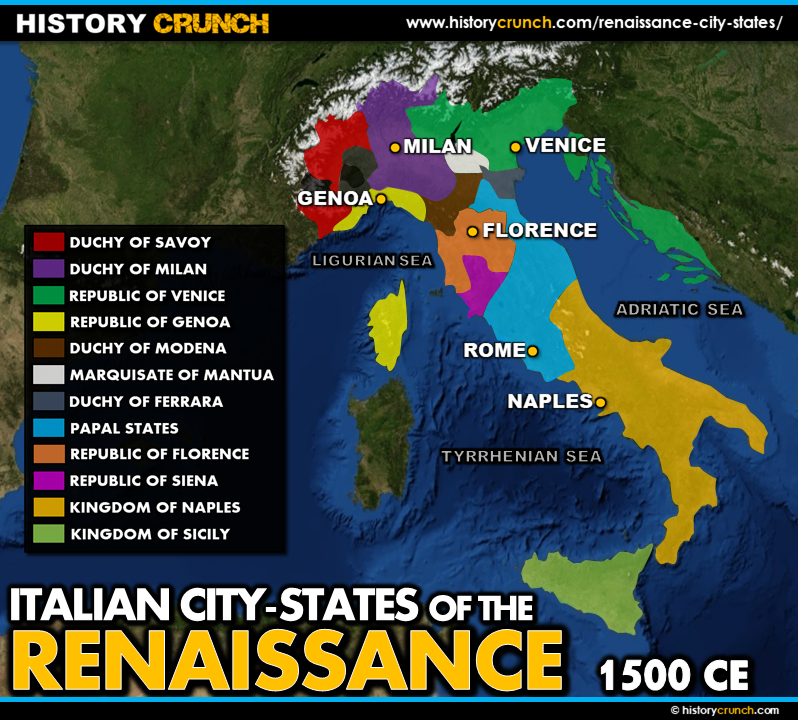
The Renaissance is an important event in European history that stretched from the 14th century to the 17th century. It was preceded by the Middle Ages in Europe and eventually led to other major events such as the Age of Enlightenment. In historical terms the Renaissance is important because it led to a major shift in European thought and worldview. The Renaissance is considered to have begun in the city-states of the Italian peninsula, such as: Genoa, Florence, Milan, Naples, Rome and Venice.
In each of these city-states, the significant changes of the overall Renaissance occurred and unfolded. For example, the most significant changes that emerged as a result of the Renaissance can be seen in European architecture, art, literature, mathematics, music, philosophy, politics, religion and science. Intellectual thought in these fields flourished during the timeframe of the Renaissance and led to many people questioning long held beliefs about each. This created an environment of discovery and curiosity in which new ideas were constantly being introduced and tested. As well, European life before the start of the Renaissance was dominated by feudalism and the Manor System, but these both played small roles for citizens in the powerful Italian city-states. As such, the major Italian city-states listed above were well positioned to undergo the societal shift brought about by the new Renaissance ideas.
MILAN BEFORE THE RENAISSANCE
Milan is one of the most significant city-states from the Renaissance in Italy and developed in the northern section of the Italian peninsula near the Alps Mountains. The city of Milan is located in the Po Valley, with the Po River to south and the foothills of the Alps Mountains to the north. Also to the north of Milan are several lakes that rest at the foothills of the Alps, including: Lake Como, Lake Maggiore, and Lake Lugano. Historians believe that people had been living in the region since the sixth century BCE but it became a much more significant area in the timeframe of the Middle Ages and the Renaissance.
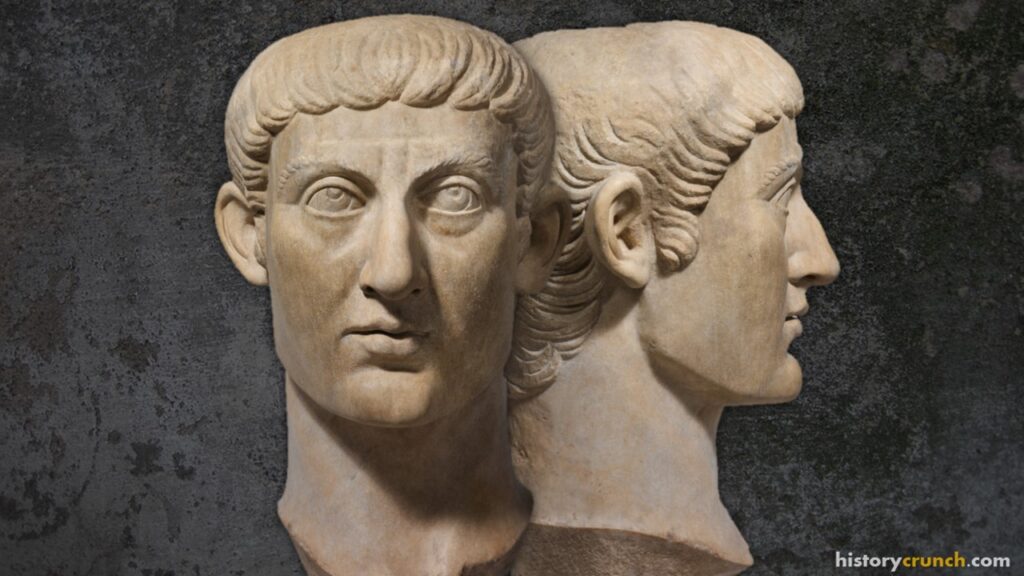
In terms of its ancient history, the city of Milan was an important center in the timeframe of the Roman Empire. For example, it was from Milan that Roman Emperor Constantine issued the Edict of Milan in 313 CE. This was an important event not only for the Roman Empire but also for Christianity as a religion. The edict essentially granted tolerance to all religions within the Roman Empire. This helped Christianity establish itself and become the dominant religion in not only the Roman Empire but also eventually across the rest of Europe.
Around the time of fall of the Roman Empire in the 5th century CE, the city of Milan experienced a series of invasions from outside forces. Over the course of the 5th and 6th centuries it was conquered and heavily besieged several times. As a result, throughout much of the Early Middle Ages, Milan was controlled by different groups from within northern Europe. For example, Milan surrendered to Charlemagne and the Franks in 774 CE. However, the 11th century on the Italian peninsula saw many different powerful city-states begin to develop. These were self-governing centers that prospered due to the economy and trade of the time. Due to its northern location and connection to other European regions, Milan was an excellent center for trade. Because of its growth, Milan came into constant conflict with surrounding towns and cities including other powerful city-states of the time.
MILAN IN THE RENAISSANCE – EARLY HISTORY
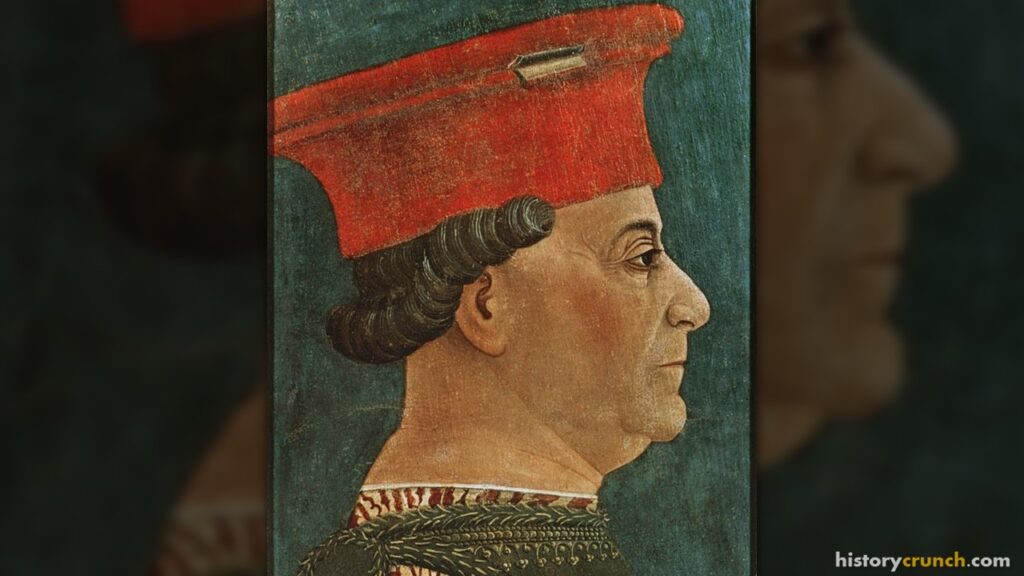
A significant event in the history of Milan was when the Visconti ousted the Della Torre from power. The Della Torre were a wealthy noble family who had ruled over Milan in the High Middle Ages. However, in 1277 CE, after a drawn out conflict, the Della Torre were defeated by another noble family – the Visconti. As a result, the Visconti took over control of Milan and ruled over the city-state until the 15th century. In 1447 CE the death of Filippo Maria Visconti, who was the Duke of Milan, caused the end of the reign of Visconti and led to a fundamental change in Milan. For instance, following the death of Filippo Maria Visconti, different factions within Milan worked to establish the Ambrosian Republic. A republic was a common form of government throughout the influential Renaissance city-states of the Italian peninsula. Traditionally, a republic is a form of government in which the people of the state have a great deal more power and influence than they previously did under an absolute monarchy, which was the common form of government in Middle Ages Europe. However, the influence of the Ambrosian Republic was short-lived as it was overthrown in 1450 CE by Francesco Sforza. The Sforza family was a noble family based out of Milan who had gained influence in the city-state through their roles and leadership as military leaders. The Sforza and their time as the leaders of Milan is important, because under their leadership the city-state became one of the main centers in the Italian Renaissance.
MILAN IN THE RENAISSANCE – SFORZA FAMILY
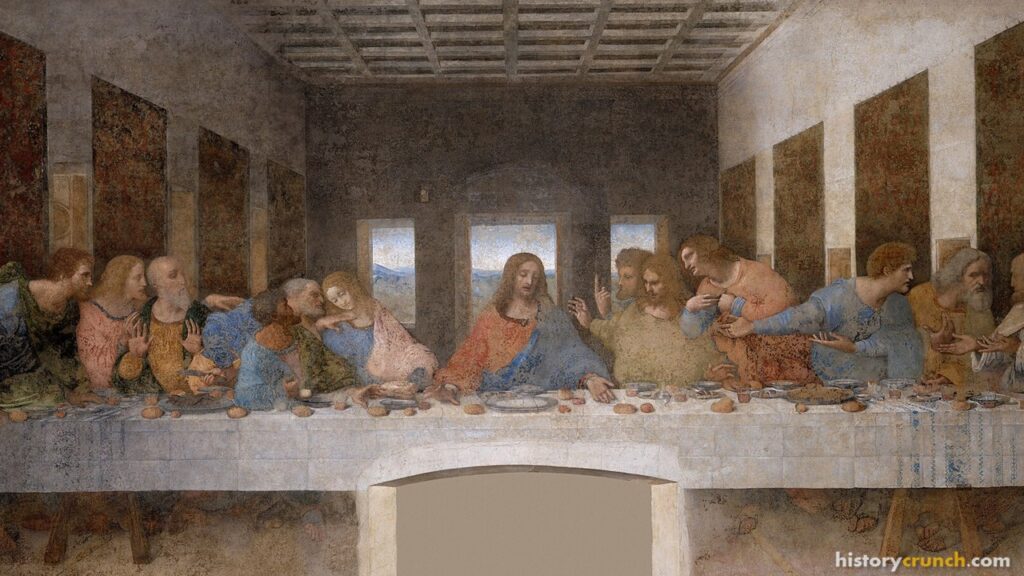
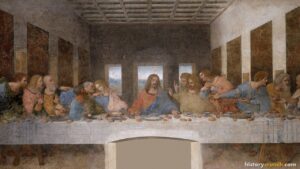
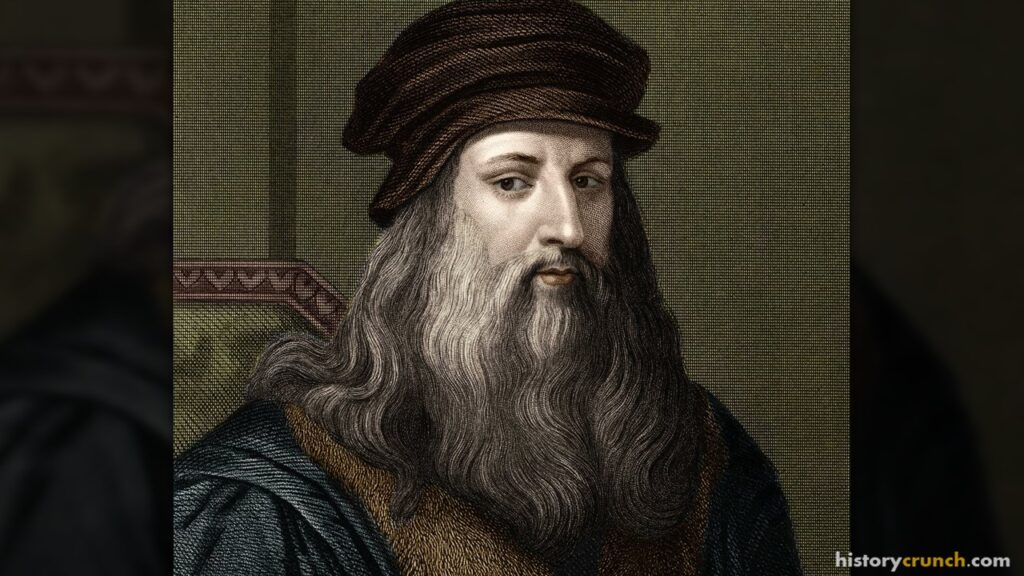
The Sforza rule over Milan occurred from 1450 to 1519 and was the city-state’s height during the Renaissance. During this time, the city prospered economically specifically in both silk and wool trade. Due to its geographic location in northern Italy, it was able to control large portions of overland trade that occurred in the surrounding region. This economic growth allowed the Sforza family to oversee Milan’s growth artistically as well. For instance, Milan today is famous for several prominent buildings due to the architecture that emerged during the time of the Renaissance. More specifically, the Sforza family oversaw the construction of the following in the 15th century: Castello Sforzesco (Sforza Castle) and Santa Maria delle Grazie (‘Holy Mary of Grace’ Church). Both are significant examples of Renaissance architecture, but the Santa Maria delle Grazie is particularly important due to its connection to Renaissance Art. While Milan is not necessarily known for its role in Renaissance Art, the Sforza family was closely linked with the Medici family of Florence and this connection led to the Sforza commissioning famous Renaissance artist Leonardo da Vinci. For example, da Vinci supposedly offered his services to the Sforza as an inventor to help them design and used different types of inventions for the battlefield. However, his connection to Milan is best exemplified by the famous painting ‘The Last Supper’.
MILAN IN THE RENAISSANCE – RENAISSANCE ART
The Last Supper is one of the most famous paintings of the entire Renaissance time period. It was supposedly painted by da Vinci in the 1490s and is currently housed in the Santa Maria delle Grazie in Milan. The painting was commissioned by Ludovico Sforza who was the Duke of Milan at the time. It depicts the last meal of Jesus Christ and his apostles as told in the Gospel of John from the Holy Bible. The Last Supper is significant as a piece of Renaissance art because it highlights da Vinci’s genius at the time, especially in his use of linear perspective to achieve realism. The Sforza family hired da Vinci to complete the work based on the recommendation of the Medici in Florence. At the time the Sforza were establishing Santa Maria delle Grazie as their family mausoleum (family tomb), and they wanted da Vinci’s The Last Supper to be the centerpiece of the mausoleum. Today, it remains a major piece in Milan’s Renaissance art history.