England was a late arrival to the Age of Exploration compared to Portugal and Spain, but it would eventually become one of the most powerful exploring and colonizing nations in the world. Beginning in the late 15th century and accelerating through the 16th and 17th centuries, English monarchs began funding voyages to the New World and beyond. The explorers and sailors who sailed under the English flag helped lay the foundation for what would eventually become the British Empire, one of the largest empires in history.
What Was the Age of Exploration?
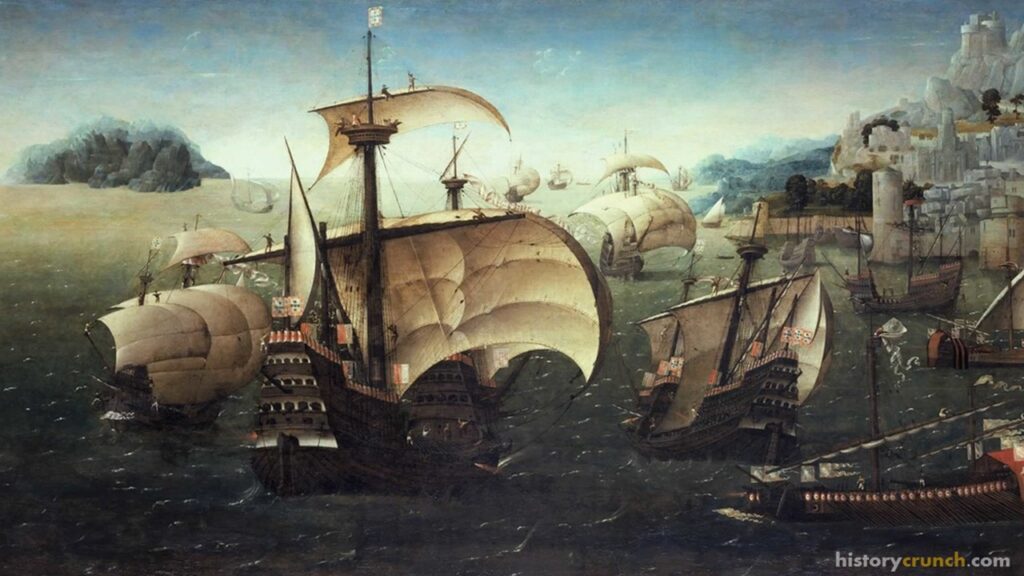
The Age of Exploration, also known as the Age of Discovery, was a period in history that began in the early 15th century and continued until the end of the 17th century. During this time, European nations sent explorers across the world’s oceans in search of new trade routes, new lands, and new sources of wealth. The Age of Exploration fundamentally changed the relationship between Europe, Africa, Asia, and the Americas, and is considered one of the most important events in the history of the western world. The four European nations most closely associated with the Age of Exploration were Portugal, Spain, France, and England. Each of these countries shared an important advantage: they all bordered the Atlantic Ocean and had access to experienced sailors, well-developed sea ports, and the financial resources needed to fund long ocean voyages. Improvements in ship design, including the development of new vessels such as the carrack and the caravel, also made it possible for explorers to travel further than ever before and carry larger amounts of cargo on their journeys.
Why Did England Explore?
England’s involvement in the Age of Exploration was driven by several important factors. Like other European nations of the time, England was eager to find new sea routes to the wealthy trading partners of the Far East and to gain access to the riches that exploration could bring. However, England was notably slower to enter the Age of Exploration than its rivals Portugal and Spain. In the early decades of the 15th century, England showed relatively little interest in funding major overseas expeditions, while Portugal and Spain were already sending sailors deep into the Atlantic and along the African coast.
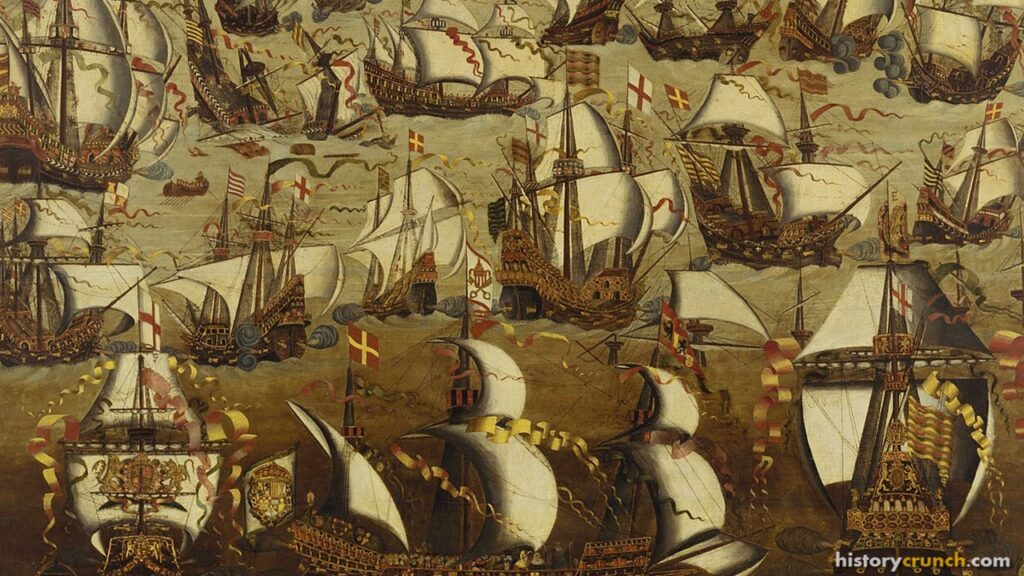
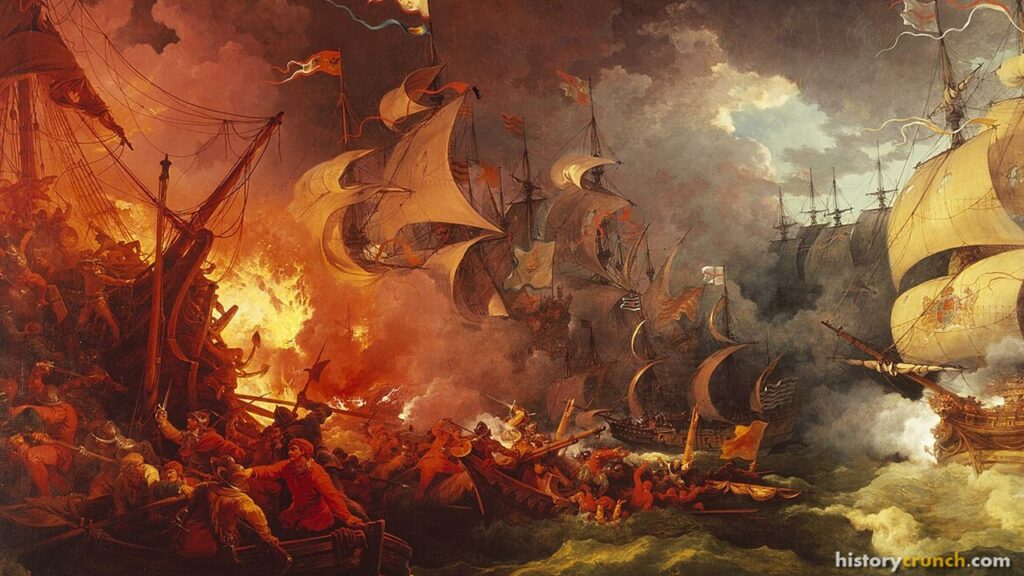
This changed as the 16th century progressed and it became increasingly clear just how wealthy Portugal and Spain had become from their overseas ventures. England watched as both countries grew rich from their colonies and trade networks and became determined to claim a share of that wealth for itself. By the late 1500s, England was actively sending explorers to the New World and working to establish its own colonies along the eastern coast of North America. A growing sense of rivalry with Spain in particular, fueled in part by religious differences between Protestant England and Catholic Spain, also pushed England to challenge Spanish power on the seas. This rivalry would eventually lead to one of the most famous naval confrontations of the era, when England defeated the Spanish Armada in 1588.
John Cabot and England’s First Voyages
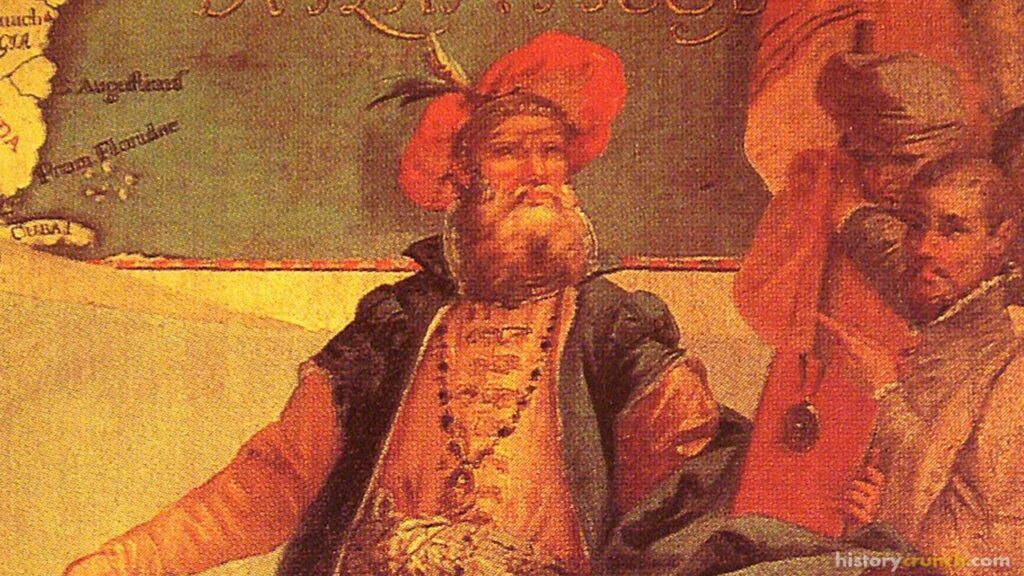
England’s earliest involvement in the Age of Exploration is most closely associated with John Cabot. Cabot was born in Italy around 1450, but like Christopher Columbus before him, he sailed under the flag of another nation. After struggling to find financial backing in Spain and elsewhere, Cabot eventually moved to London in 1495 and secured enough funding to begin planning a voyage westward across the Atlantic.
Cabot’s first voyage was not successful, as poor planning led to a shortage of supplies and bad weather forced the crew to turn back. However, in 1497 Cabot set out on a second voyage, this time much better prepared. He sailed across the Atlantic and made landfall on the coast of North America, becoming the first European to reach the North American mainland since the Norse Vikings had visited the area in the eleventh century. When Cabot returned to England he was rewarded for his achievement, though the financial reward was modest. Cabot went on to attempt a third voyage to Newfoundland, but the outcome of this journey is not well recorded. It is believed that the ships ran into severe weather on the return voyage and that Cabot and much of his crew were lost at sea, though some historians believe he may have made it back to England and died shortly afterward. Despite the uncertain end to his story, John Cabot’s 1497 voyage was enormously significant for England because it established England’s early claim to territory in North America, which would form the basis for later English colonization of the continent.
Sir Francis Drake and the Circumnavigation of the Globe
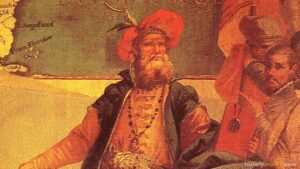
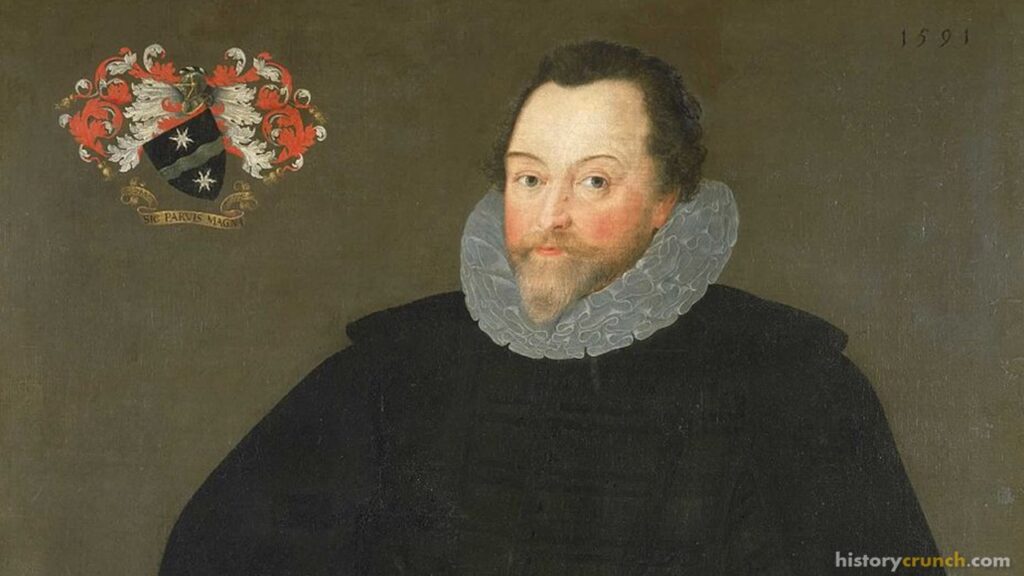
One of the most famous English explorers of the Age of Exploration was Sir Francis Drake. Drake was born in Devon, England around 1540 and grew up in modest circumstances. As a young man he was sent to apprentice with a sailing ship master, where he developed the trading and navigation skills that would define his later career.
Drake first sailed to the Americas alongside his cousin, Sir John Hawkins, but the voyage ran into serious trouble when several of their ships were trapped by Spanish forces. Drake and Hawkins escaped, but the encounter left Drake with a strong desire for revenge against the Spanish. In 1572 he set off on his own voyage, raiding Spanish towns along the coast of the Americas and capturing large amounts of gold and silver. He was badly wounded during one raid and was forced to remain in a Spanish town for more than a year to recover, but once he had regained his strength he and his men continued their raids and accumulated a remarkable amount of treasure.
Drake’s greatest achievement came between 1577 and 1580, when he led the second circumnavigation of the globe in history and the first in which the same captain commanded the entire voyage from beginning to end. The journey was enormously difficult and many crew members died along the way, but Drake completed the voyage successfully. During the circumnavigation he also initiated a wave of piracy along the western coast of the Americas, which angered the Spanish greatly. While England celebrated Drake as a hero and Queen Elizabeth I awarded him a knighthood in 1581, Spain viewed him as a pirate and gave him the nickname “El Draque.” The Spanish King Philip II was so hostile towards Drake that he reportedly offered a reward equivalent to millions of dollars in today’s money for anyone who killed him. Drake played a key role in the defeat of the Spanish Armada in 1588, serving as second in command of the English fleet during the battle. He continued sailing and exploring until his mid-fifties and died of dysentery on January 27th, 1596, and was buried at sea in his full armor.
Sir Walter Raleigh and the Colonization of North America
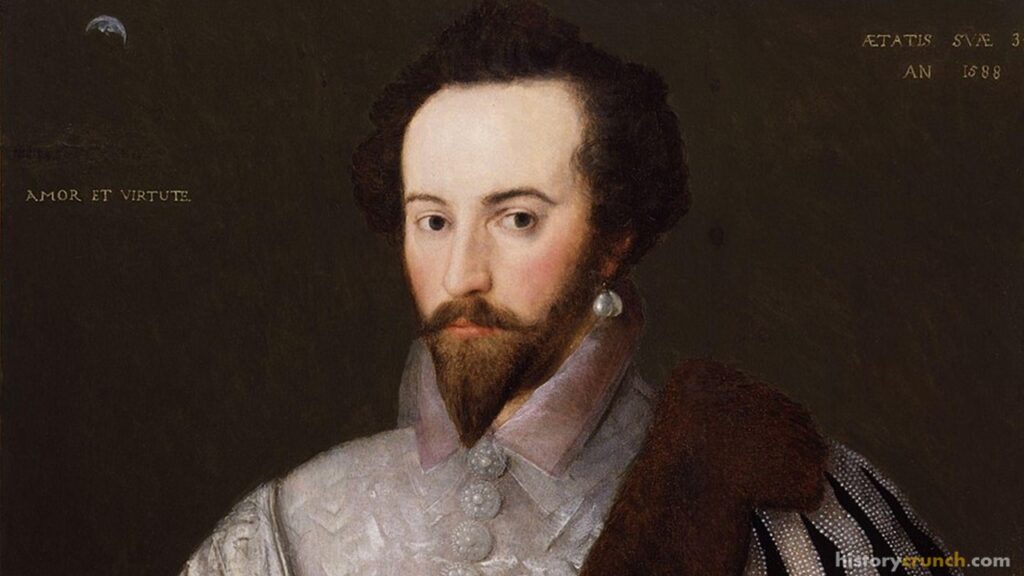
Another important figure in England’s Age of Exploration was Sir Walter Raleigh. Raleigh was born around 1554 in Devon and grew up in a privileged Protestant household. He served in various military capacities before gaining the attention and favor of Queen Elizabeth I, who granted him a royal charter in 1584 and knighted him in 1585. The charter gave Raleigh the right to explore and colonize lands that were not already claimed by a Christian monarch, with the condition that he hand over one fifth of any gold or silver he found to the Queen. He was given seven years to fulfill the terms of the agreement.
During those seven years, Raleigh organized a series of expeditions to the coast of North America. He is particularly remembered for his role in the early English colonization of the region that would become the state of Virginia, and his efforts helped pave the way for future English settlements in North America. Raleigh’s later years were marked by personal and political difficulties. He secretly married one of the Queen’s ladies-in-waiting without royal permission, which resulted in both him and his wife being imprisoned in the Tower of London. After his release he continued to pursue opportunities for exploration, including voyages to South America in search of a legendary city of gold. Following the death of Queen Elizabeth, Raleigh fell out of favor with the new king, James I, and was again imprisoned in the Tower of London after being implicated in a plot against the king. He was eventually released in 1616 and sent on another expedition to South America, but it was unsuccessful. He was executed in 1618 in an effort to appease the Spanish government. Beyond his work as an explorer, Raleigh was also known as a writer, poet, and spy, and he is credited with popularizing the use of tobacco in England.
Henry Hudson and the Search for a Northwest Passage
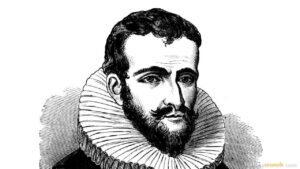
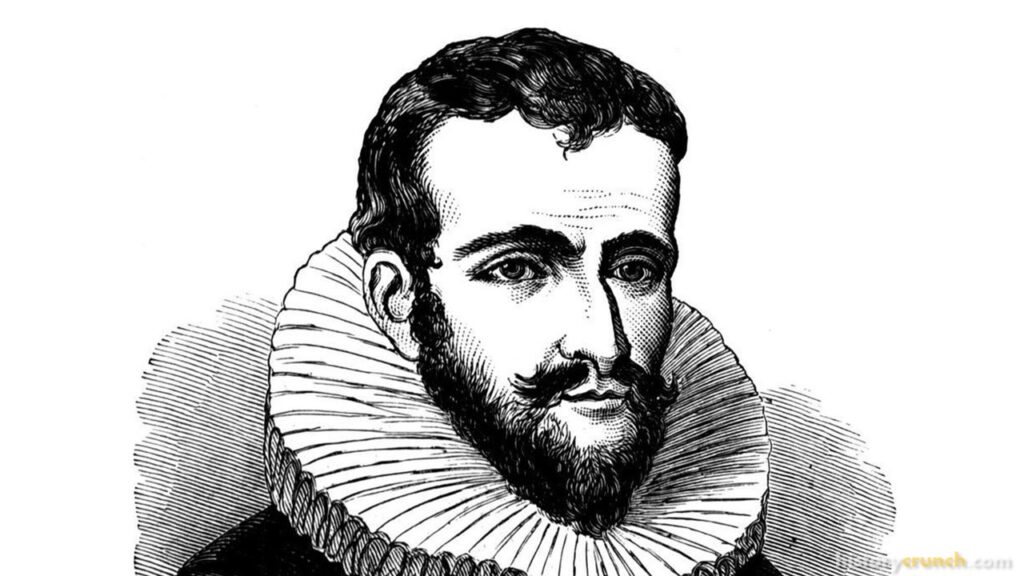
Another significant English explorer of this era was Henry Hudson. Hudson was born in England in the 16th century, with his exact birth date thought to be around 1540. He became a skilled navigator and sailor, and he is best remembered for his voyages in search of a northern route to Asia, known as the Northwest Passage.
In 1609 Hudson was hired by the Dutch East India Company to find a safe northwesterly route to China for trade purposes. His fleet set sail and attempted to navigate around the Arctic, operating on the belief that the ice caps would melt enough during summer to allow passage. When ice blocked the planned route, Hudson redirected the voyage westward through North America instead. This rerouting led Hudson to explore the area surrounding what is today New York, and a number of the geographical features he encountered during this voyage were named after him, including the Hudson River and Hudson Bay. His explorations helped open the region to Dutch colonization.
In 1610 Hudson secured backing from the British East India Company for another voyage, this time aboard a new ship called the Discovery. The expedition set out in search of a passage to Asia but became trapped in ice and was forced to spend the winter in the James Bay area. The difficult conditions created serious tension among the crew. When the ice finally melted in 1611 and Hudson wanted to press on and continue searching for the passage, the unhappy crew mutinied. Hudson, his son, and seven other crew members were cast adrift in a small boat and were never seen again. Hudson was officially reported dead in 1611. Despite his tragic end, the geographical knowledge gained through his voyages proved extremely valuable, and the Hudson Bay Company continued his work by exploring the Hudson Bay watershed and developing a highly successful fur trade across North America.
England’s Empire
Through the voyages of John Cabot, Sir Francis Drake, Sir Walter Raleigh, Henry Hudson, and many others, England gradually built up a strong presence in the New World and across the globe. The colonies that English explorers helped establish along the eastern coast of North America would eventually form the foundation of what became the United States and Canada. England also used the knowledge and sea routes developed during the Age of Exploration to expand its trade networks and challenge the dominance of Spain and Portugal on the world’s oceans. By the end of the Age of Exploration, England had positioned itself as a major colonial and maritime power, setting the stage for the growth of the British Empire in the centuries that followed.
Significance of England in the Age of Exploration
Although England entered the Age of Exploration later than Portugal and Spain, its eventual contributions to the era were enormous. English explorers helped map large sections of the North American coastline, established the earliest English colonies in the New World, completed a full circumnavigation of the globe, and challenged Spanish dominance on the seas at a critical moment in history. The defeat of the Spanish Armada in 1588 in particular marked a turning point that allowed England to grow as a naval power and expand its reach across the world. At the same time, like all of the European powers involved in the Age of Exploration, England’s expansion came at a significant cost to the indigenous peoples whose lands were claimed and colonized. For all of these reasons, England’s role in the Age of Exploration remains a deeply important chapter in the history of the modern world.