Age of Exploration
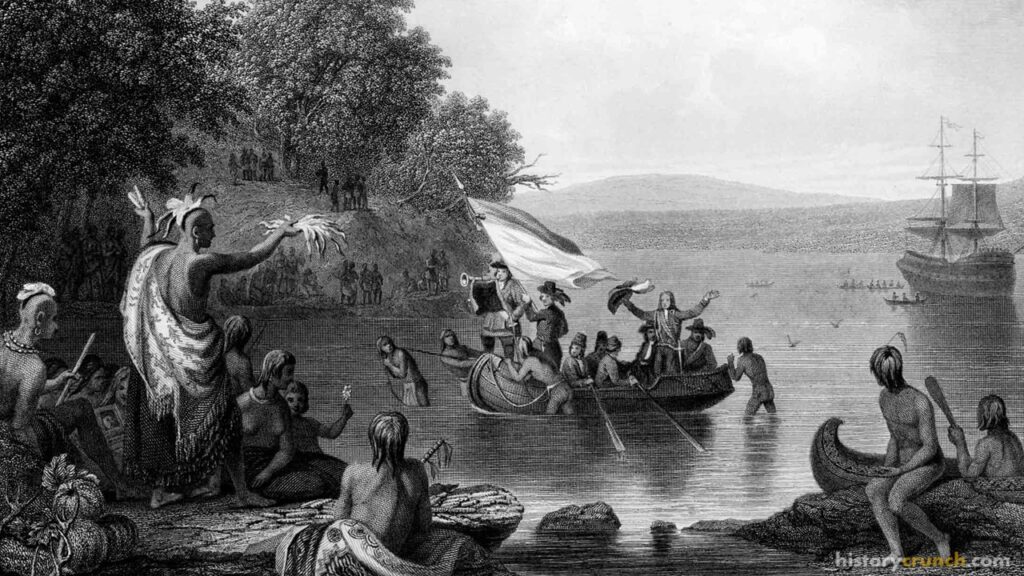
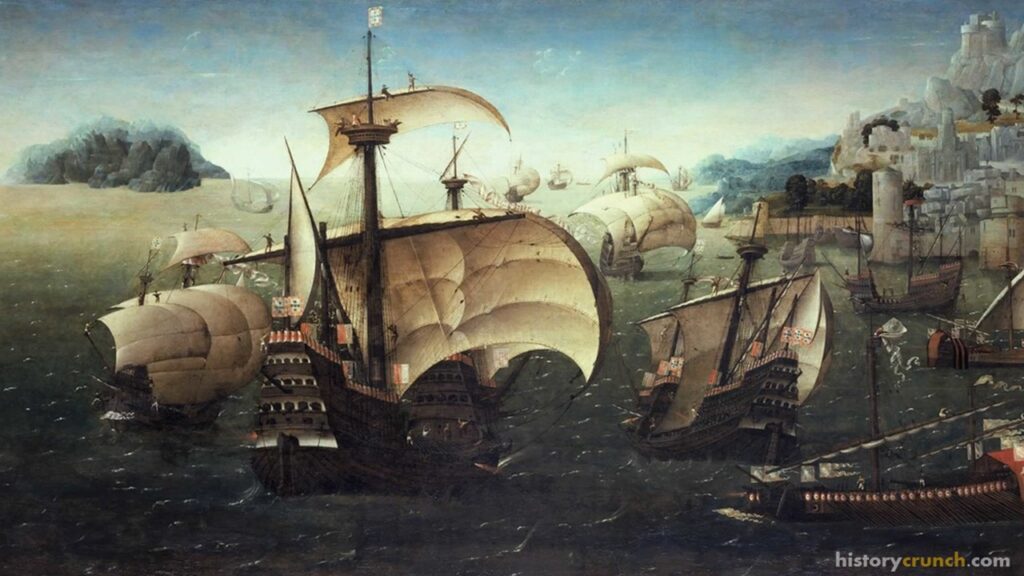
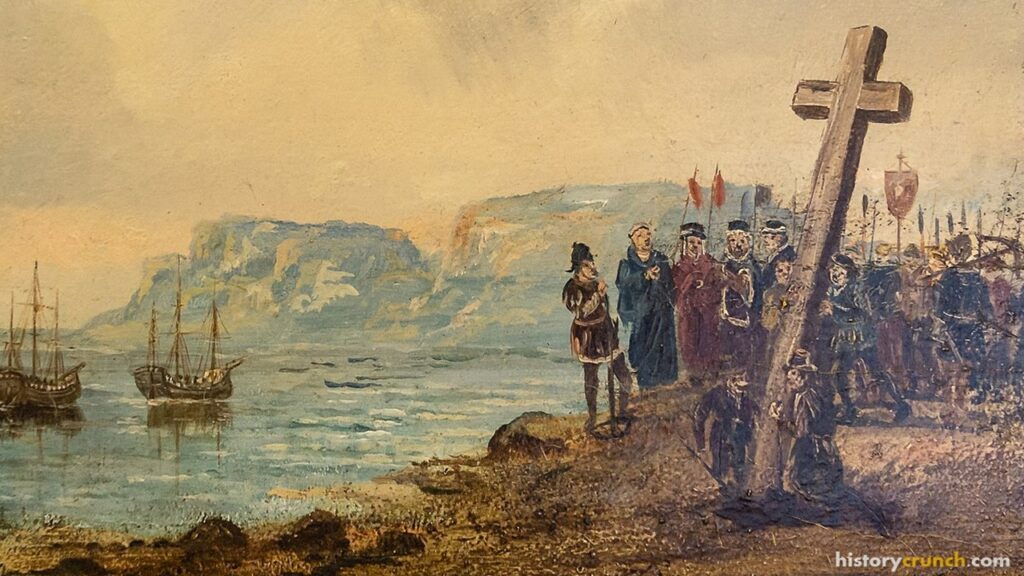
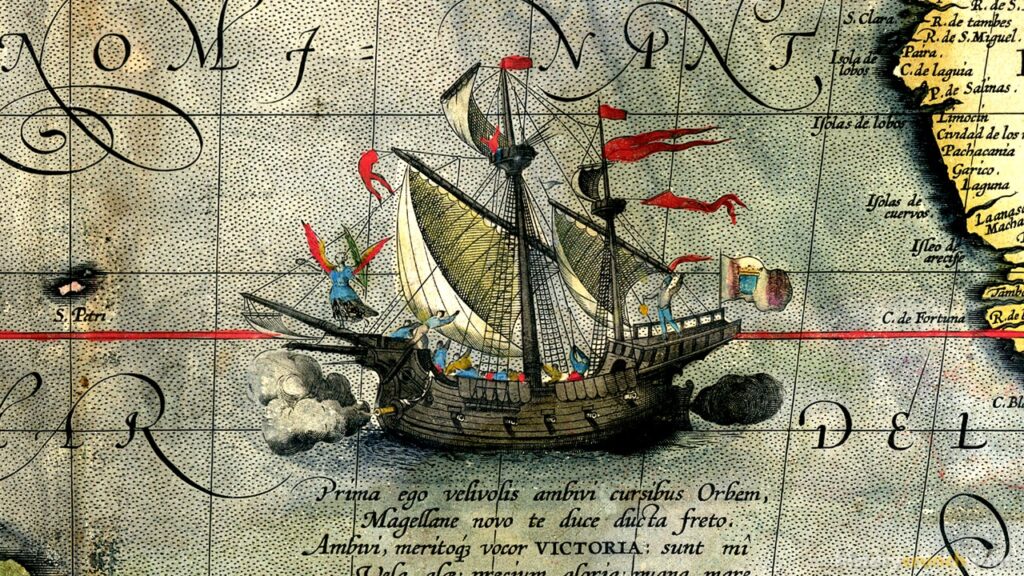
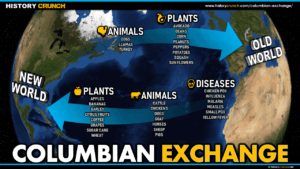
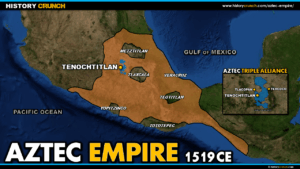
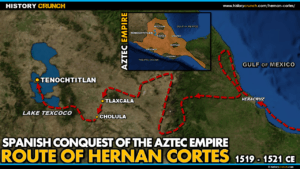
The Age of Exploration was a period of European overseas exploration that took place from the late 15th century through the 17th century. During this era, European sailors, navigators, and explorers ventured across the Atlantic, Pacific, and Indian Oceans in search of new trade routes, wealth, and territory. Explorers like Christopher Columbus, Vasco da Gama, Ferdinand Magellan, and Hernán Cortés made voyages that transformed world history. The Age of Exploration led to the establishment of overseas colonies as well as the Columbian Exchange of plants, animals, and diseases between the Old World and the New World. These expeditions also resulted in the devastating conquest and colonization of indigenous peoples in the Americas, Africa and Asia.
Age of Exploration: Table of Contents
Age of Exploration - Videos
1 Videos
4:58
Articles
Age of Exploration
Age of Exploration: Overview
- Age of Exploration: A Detailed Overview
- A detailed article that covers the major causes, events and history of the Age of Exploration.


Causes of the Age of Exploration
- Causes of the Age of Exploration
- Crusades
- Silk Road
- Marco Polo
- Renaissance
- Reconquista
- Spice Trade in the Age of Exploration
- Nationalism
- Navigation Technology in the Age of Exploration
- Ships in the Age of Exploration
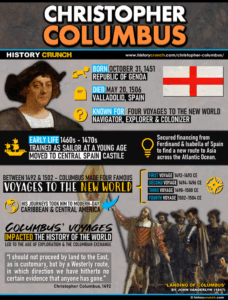
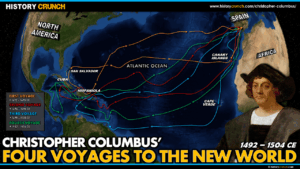
Christopher Columbus
Explorers of the Age of Exploration
- Portuguese Explorers
Spanish Explorers
- English Explorers
- French Explorers
Dutch Explorers
- Abel Tasman
- Willem Barentsz
Technology and Trade
Impacts of the Age of Exploration
- Impacts of the Age of Exploration
- Treaty of Tordesillas
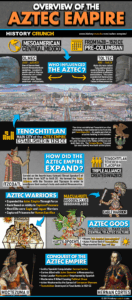
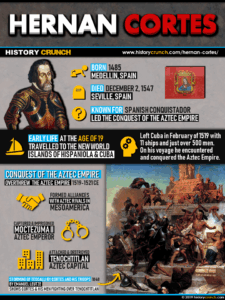
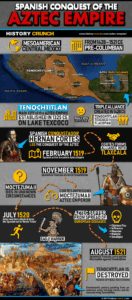
- Conquest of the Aztec Empire
- Conquest of the Inca Empire
- Columbian Exchange
- Disease and Depopulation of Indigenous Peoples
- Colonialism
- Globalization